Premium Insulated Metal Panels (IMPs) & Industrial Cold Chain Solutions Engineered to meet stringent US Thermal, Structural & USDA standards.
Engineered for compliance with American industrial building codes, featuring ultimate R-value efficiency and thermal integrity.
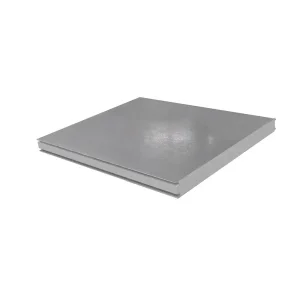
High-density PIR core provides superior fire ratings and continuous R-value performance for US commercial freezers.
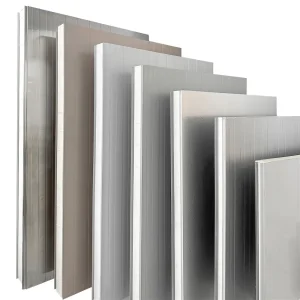
Ideal for walk-in coolers and regional food processing units requiring lightweight thermal protection.
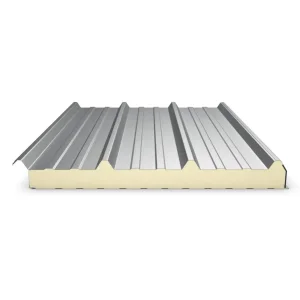
Engineered to withstand heavy structural loads, heavy wind shear, and extreme temperature variations.
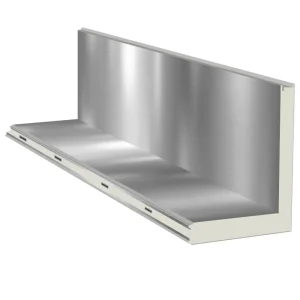
Precision-engineered lock connection systems ensuring airtight sealing for modular labs and kitchens.
The industrial landscape in the United States has seen a structural shift towards high-efficiency, sustainable building materials. Insulated Metal Panels (IMPs), commonly referred to as sandwich panels, are at the forefront of this evolution. Within the commercial warehousing, cold-chain logistics, and food processing sectors, energy-conscious building designs are no longer optional—they are strictly mandated by federal regulations such as ASHRAE 90.1 energy standards and state-specific frameworks like California’s Title 24.
In the United States, logistics developers face persistent hurdles including rising building material prices, regional labor shortages, and demanding fire-performance metrics (e.g., ASTM E84, NFPA 285 compliance). Standard construction methods involving multi-layered insulation and field-installed drywall are being replaced by single-component structural sandwich panels. These systems provide a high R-value-to-thickness ratio, structural structural spans, and rapid build times that dramatically decrease onsite installation costs.
“The modern US cold storage sector is experiencing a post-pandemic renaissance. Rapid growth in e-commerce grocery shipping, temperature-controlled pharmaceutical storage, and domestic food supply security requires high-density PIR and PUR systems to maintain strict temperature thresholds.”
Furthermore, local supply networks inside the US often experience capacity bottlenecks, leading to extended lead times of 12 to 24 weeks for specialized insulated cladding. This makes international partnerships with qualified, high-capacity exporters not only a cost-saving measure, but a critical strategic advantage for project timelines.
US states require strict adherence to continuous insulation mandates, demanding sandwich panels that eliminate thermal bridging at joint locations.
USDA and FDA standards demand cleanable, non-porous, corrosion-resistant wall assemblies commonly provided by PU panel finishes.
Engineered PIR core panels provide self-extinguishing qualities, vital for achieving high-hazard occupancy compliance.
Industry Track Record
Production Facility Area
Skilled Production Specialists
Rigorous Quality Officers
Shaanxi YuanShengHeTong Refrigeration Equipment Co., Ltd.
Shaanxi YuanShengHeTong Refrigeration Co., Ltd. is a professional factory and enterprise focusing on insulation panels and refrigeration equipment. Besides product manufacture, we also provide services like project design, construction, installation, as well as after-sales service.
We integrate "high quality products, one-stop project solution, engineering advanced services, and international trade" to provide customers with excellent products and satisfied services. Our involved professional fields include refrigeration of fruits, vegetables, food industry; also refrigeration of large supermarkets, restaurants, hotels, medical and logistics companies etc.
Our business in refrigeration fields started in 1996, with more than 20 years experience in refrigeration industry, we are confident in our professionality. And our factory is specializing in refrigeration manufacturing and technology.
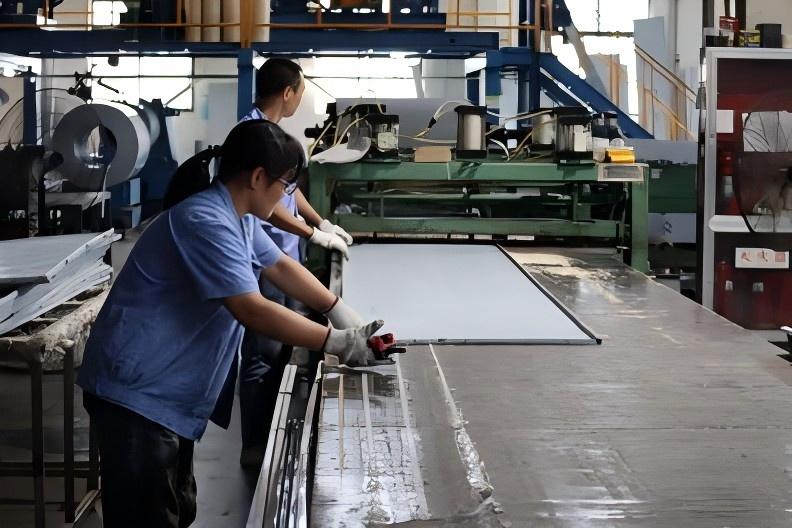
With about 180 workers and 10 QC team, the quality and efficiency are guaranteed of our products. And we are always aiming for higher quality products and better service.
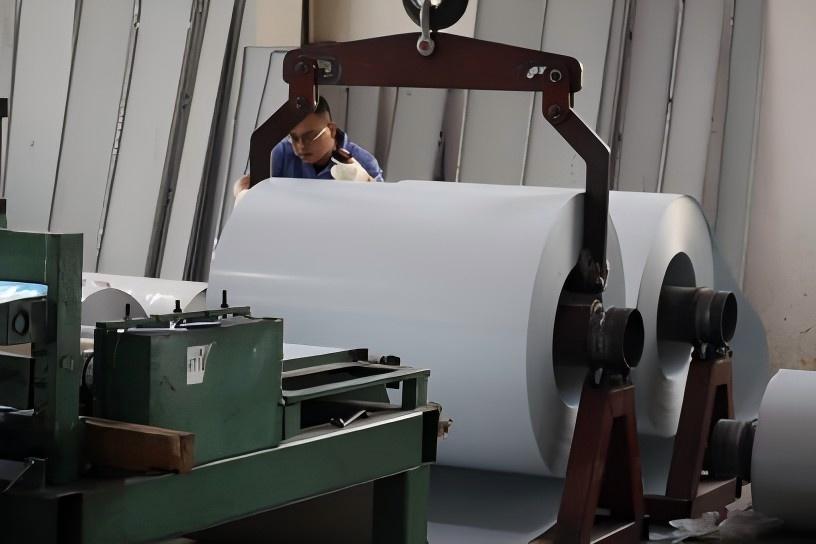
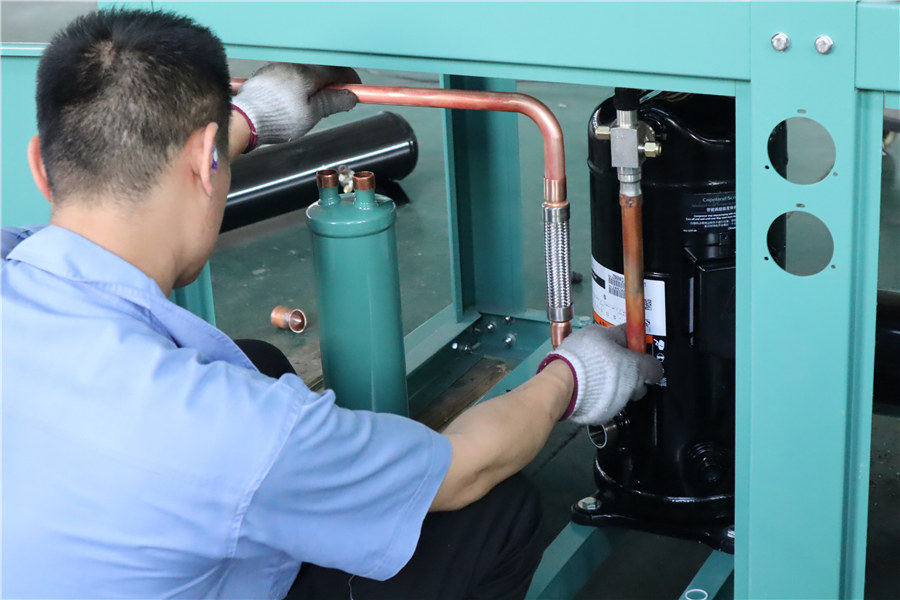
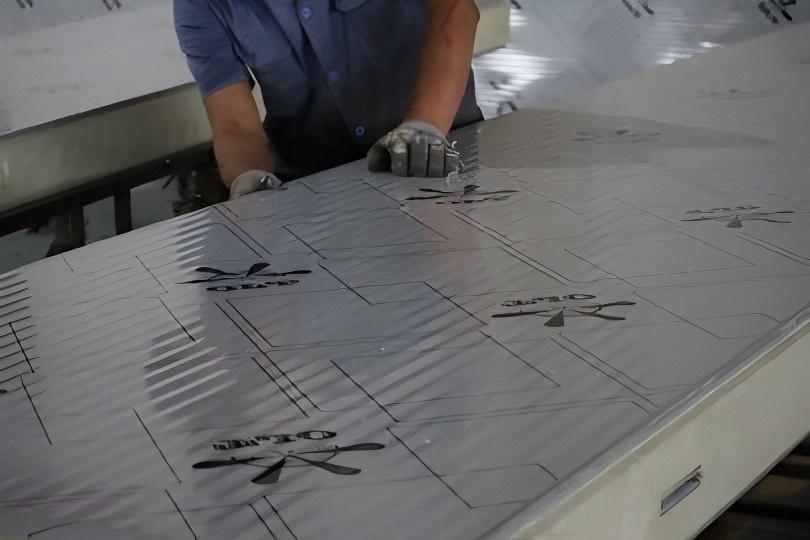
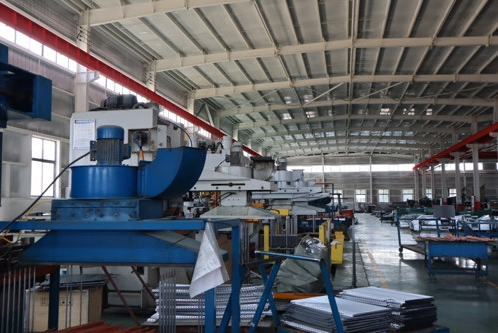
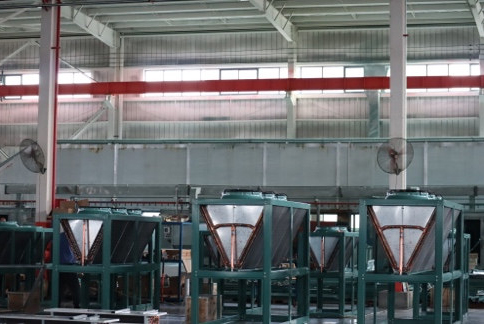
Now, the factory has an existing production site of 60,000 square meters, 4 standardized workshops, high quality and efficient production equipment, as well as advanced production lines and techniques. Our factory mainly produces PIR(Polyisocyanurate) and PU(Polyurethane) sandwich panels, cold storage doors, air coolers, condensers, condensing units, compressor units etc.
The global demand for high-end thermal insulation is surging due to strict climate preservation targets and the rapid digitization of food logistics. In this context, China-based factories present a formidable manufacturing vector for US developers. Chinese efficiency goes far beyond simply minimizing overheads; it hinges on deep supply chain integration, massive automated production scales, and highly efficient manufacturing processes.
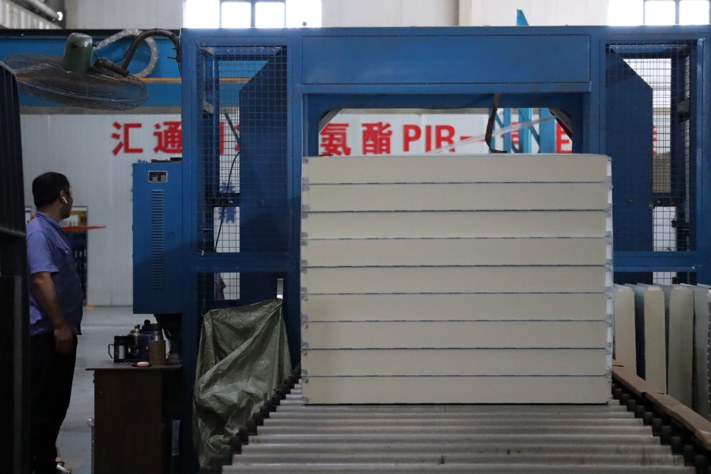
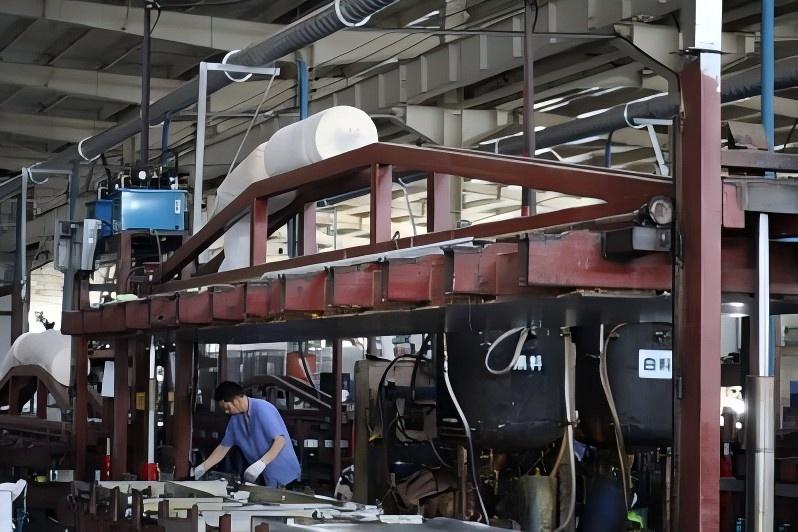
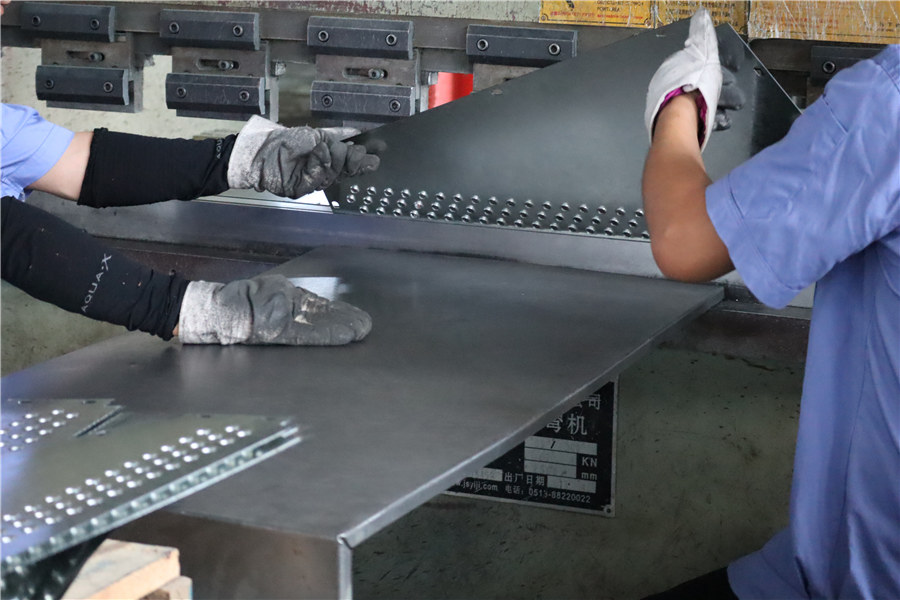
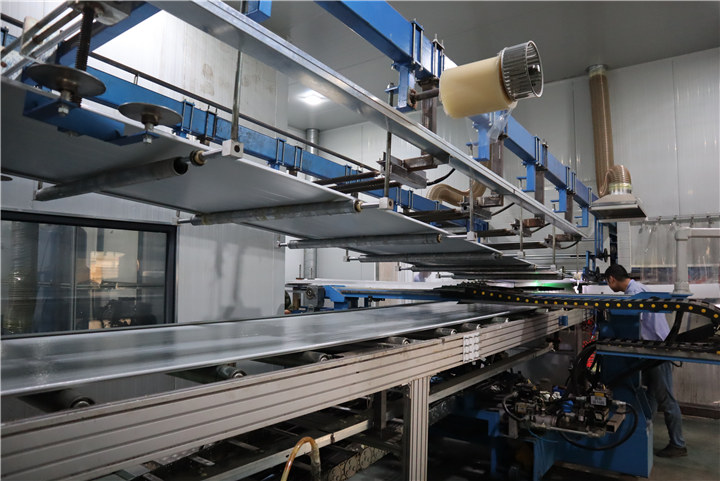
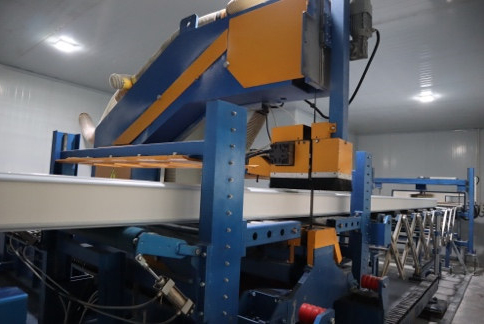
At Shaanxi YuanShengHeTong, our continuous production lines feature double-belt structural foaming lanes that produce dimensionally perfect panels with zero voids. This high precision is difficult to replicate with low-volume local manufacturing. When importing panels to the US market, buyers leverage this manufacturing speed. Even when including transit times across international oceans, the net lead times of Chinese operations are frequently shorter than backlogged domestic suppliers in the United States.
Furthermore, local US construction dynamics call for adaptive configurations. For instance, panels utilized in the cold chains of North America require different outer steel gauges (e.g., 24 gauge to 26 gauge ASTM structural steel) and specialty paint finishes (such as PVDF or plastisol) to resist coastal corrosion. Chinese manufacturers with extensive export portfolios are highly experienced in modifying chemistry, sheet metal specifications, and packaging to meet local requirements seamlessly.
A history of pioneering innovation, expanding capacity, and building global trust since 1996.
Our founder started the business from refrigeration equipment marketing and installation.
With our first factory completed in Shaanxi, we produced our first cam-lock sandwich panels.
The second factory in LanZhou completed, our business started to cover the whole north-west market in China.
Follow with larger business and international business, the Shaanxi factory relocated to a larger fields, now we possess with 120 acers area with 8 advanced workshops.
With more advanced technology in insulation panel industry, we input our first automatic split-joint production line. Here the new chapter begins.
Our second advanced automatic production line put on stream, we reach to a higher productivity and efficiency with better quality.
With the responsibility of sustainability, we are now moving into an eco-friendly factory.
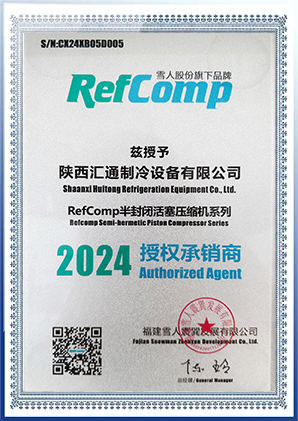
Rigorous global standards and performance testing ensures structural and thermal reliability.
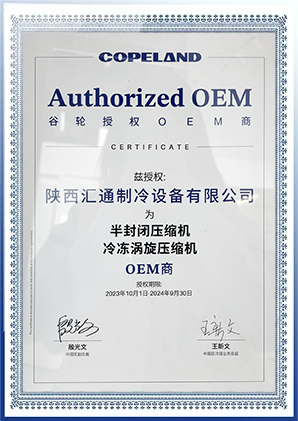
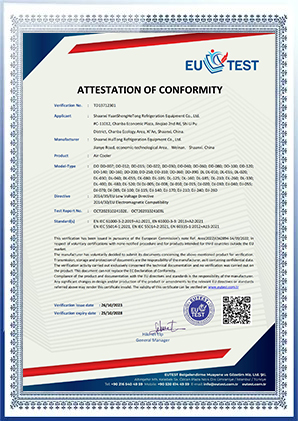
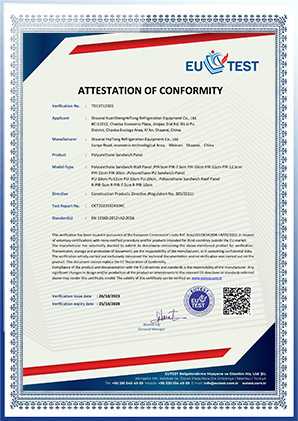
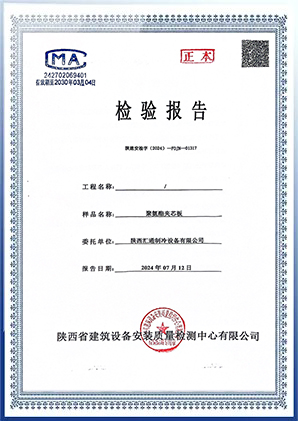
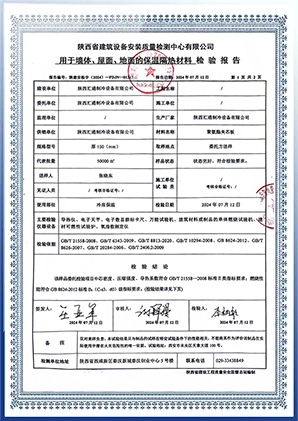
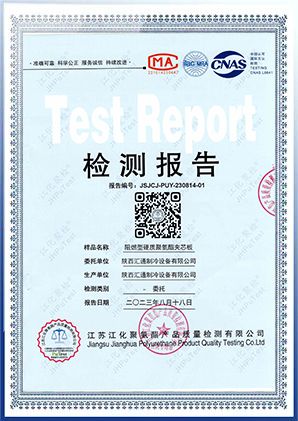
To make an informed procurement decision, developers must understand the physical and chemical differences between Polyurethane (PUR) and Polyisocyanurate (PIR) cores. While both are formed using chemical reactions between polyols and isocyanates, the physical structure of PIR exhibits higher mechanical resilience and chemical stability.
In standard PUR panels, the ratio of isocyanate to polyol is close to 1:1. The resulting polymer structure is highly effective at trapping thermal energy but has moderate heat resistance. PIR panels, on the other hand, incorporate an excess of isocyanate. In the presence of specialized catalysts, these excess molecules react with themselves to create incredibly strong ring-like polyisocyanurate linkages. This molecular structure gives PIR its superior self-extinguishing behavior and significantly higher char-forming capabilities when exposed to flame.
From a thermal perspective, both cores offer excellent performance, with initial R-values ranging between R-7 and R-8.2 per inch of thickness. Over time, however, gas diffusion can cause minor R-value drift. High-density PIR cores (ranging from 40 to 42 kg/m³) minimize this process by maintaining a high percentage of closed-cell structures (often exceeding 95%). This locks in thermal performance for decades, helping cold storage operators control electric utilities over the long term.
Importing sandwich panels for high-stakes US commercial infrastructure requires a structured plan. When evaluating international suppliers, procurement teams should prioritize the following verification milestones:
The industry is moving quickly towards low-VOC (volatile organic compound) construction. Modern blowing agents have transitioned away from HCFCs to eco-friendly cyclopentane and HFO formulations, resulting in zero Ozone Depletion Potential (ODP). As LEED certifications become more common across US logistics corridors, utilizing environmentally optimized sandwich panels can help developers secure crucial energy efficiency credits.
Answers to critical questions regarding imports, compliance, and thermal engineering.
At standard densities, a 4-inch (100mm) PIR core provides a high-efficiency R-value of roughly R-28 to R-30. This makes it an ideal thickness for coolers and low-temperature freezers operating down to -10°F (-23°C).
Yes. Our PUR/PIR wall systems feature food-safe finishes like PVDF or specialized polyester coatings. These non-porous surfaces stand up to aggressive sanitization washdowns without showing structural degradation.
We pack panels using high-density foam spacers and heavy plastic wrap, placing them on sturdy wooden skids. This keeps them clean and dry during sea transit and allows for easy unloading with standard forklifts once they arrive on site.
PIR cores offer superior fire resistance compared to PUR cores. In fire tests, PIR forms a protective char barrier that limits flame spread, making it easier to meet strict ASTM E84 and NFPA Class 1 requirements.
If installed correctly and maintained, our sandwich panels can perform reliably for over 30 years. Regular joint inspections and maintaining sealants help preserve the high thermal performance of the core material.
Yes. We design and manufacture custom shapes, corner joints, and thickness variations to suit specific architectural and engineering drawings, minimizing the need for field cutting during installation.
Explore our complete export catalog, featuring thermal panels, condensation systems, and high-performance cold room equipment.
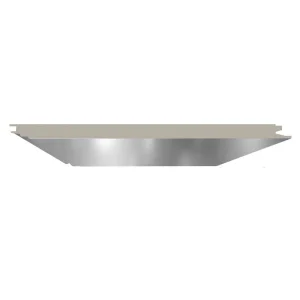
Seamless edge joints designed to prevent moisture infiltration and ensure a clean, professional exterior finish.
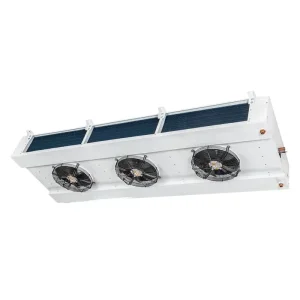
Equipped with integrated electric heaters for rapid defrost cycles and reliable operation in freezing conditions.
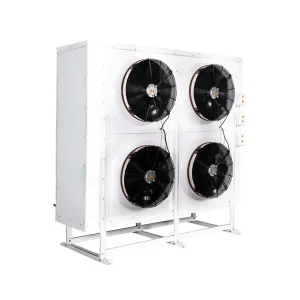
Hot-gas defrost system engineered to minimize energy use and reduce cooling downtime.
Strong ribs and high-load capabilities provide excellent wind uplift protection on commercial roofs.
Engineered to reduce heat transfer and lower heating and cooling costs for large warehouse envelopes.
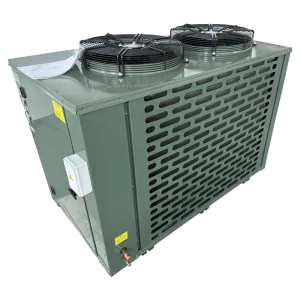
Engineered to deliver high heat-exchange efficiency and long-term durability in demanding refrigeration setups.
Clean vertical seams designed to look great and provide robust weather protection for modern commercial spaces.
High-density core formulations designed to support LEED points and meet local building energy budgets.
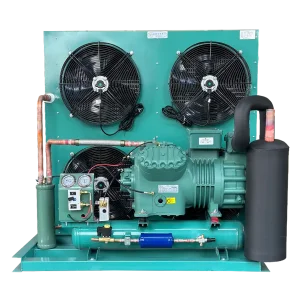
Compact design with high heat extraction rates, ideal for walk-in coolers and freezers.
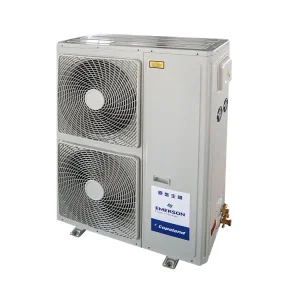
Uses durable Copeland hermetic scroll compressors to ensure reliable cooling cycles.
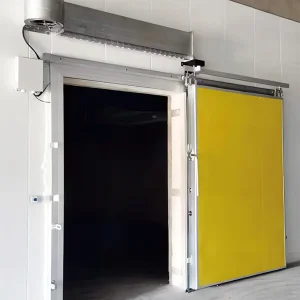
Designed with perimeter heating paths and heavy seals to prevent freezing lock and ice buildup.
High-load capacities and structural clean styling suitable for industrial logistics roofs.
 YuanShengHeTong