Products Description
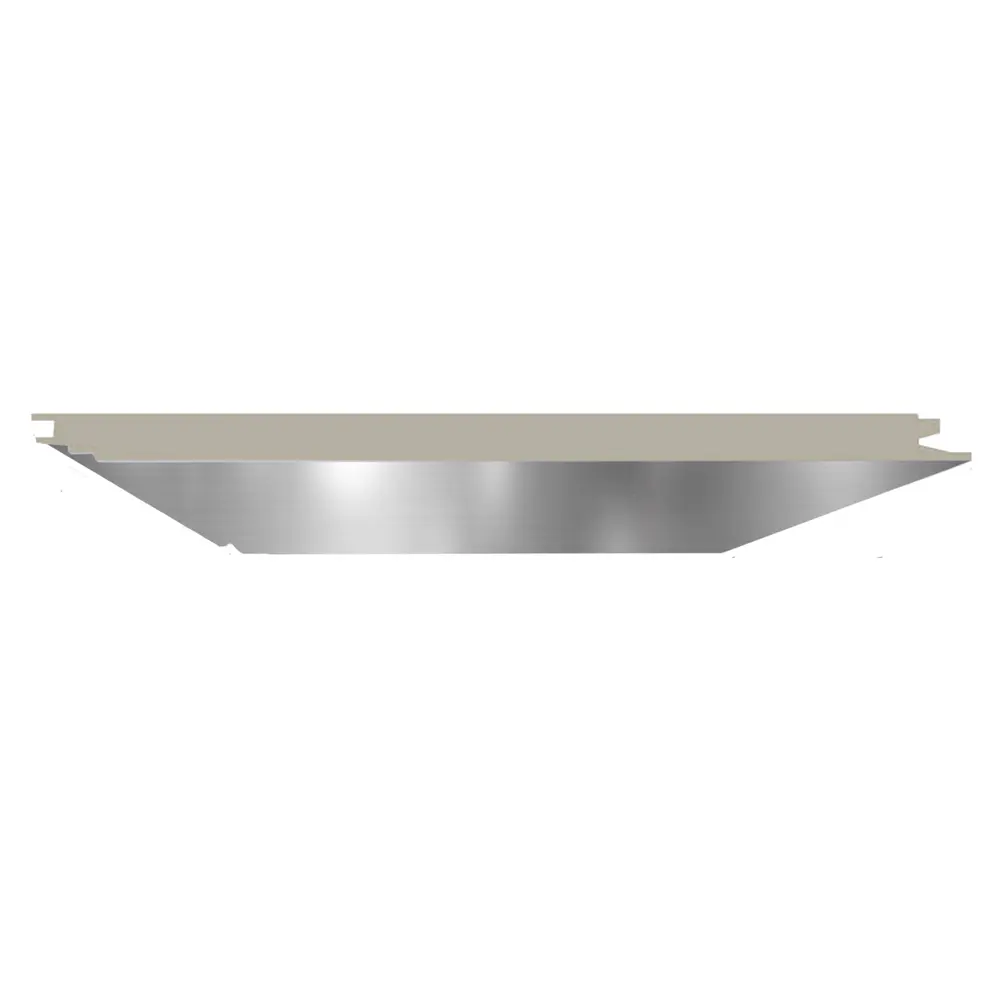
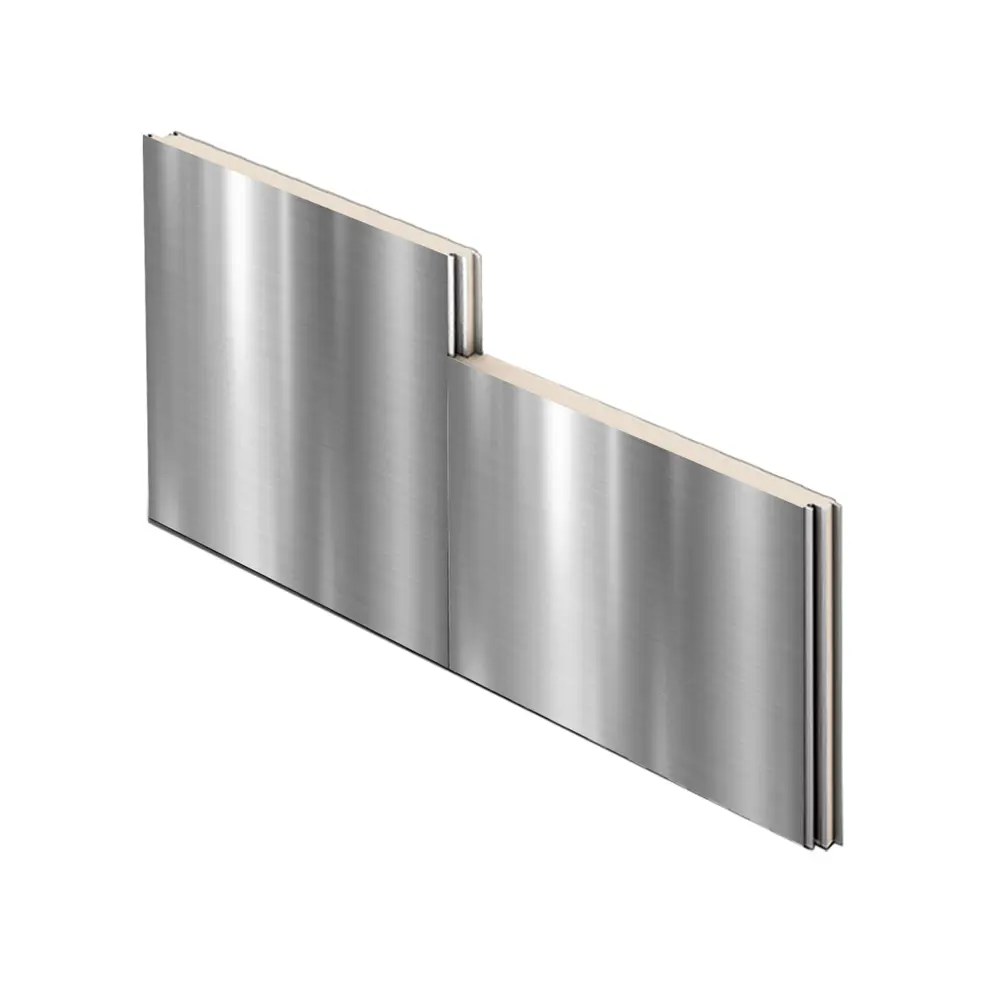
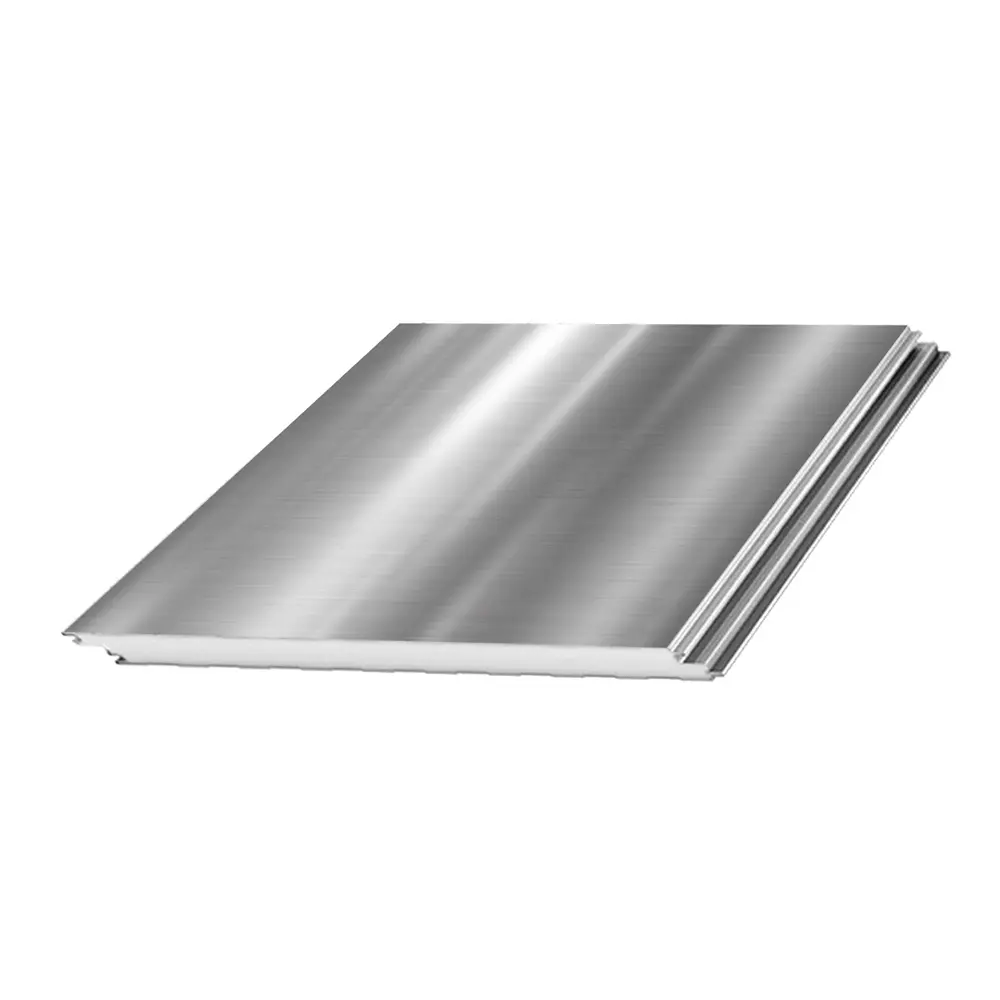
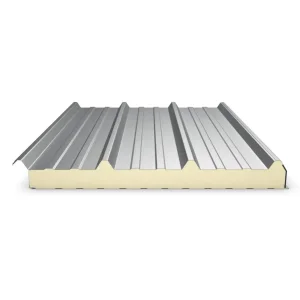
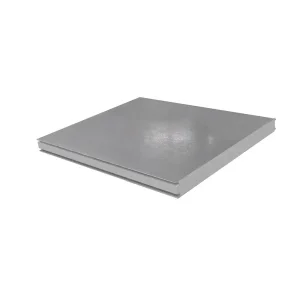
Polyurethane (PUR) and Polyisocyanurate (PIR) are the multifunctional foam core material widely used in various industries due to its excellent thermal insulation properties, mechanical strength and moisture resistance. Seamless insulated exterior siding sandwich panels are made with a rigid foam core sandwiched between two layers of durable facing material, typically made of metal or other alloy composite materials. The seamless design improves the overall performance and longevity of the structure by eliminating joints and joints, common weak points in traditional wall systems.
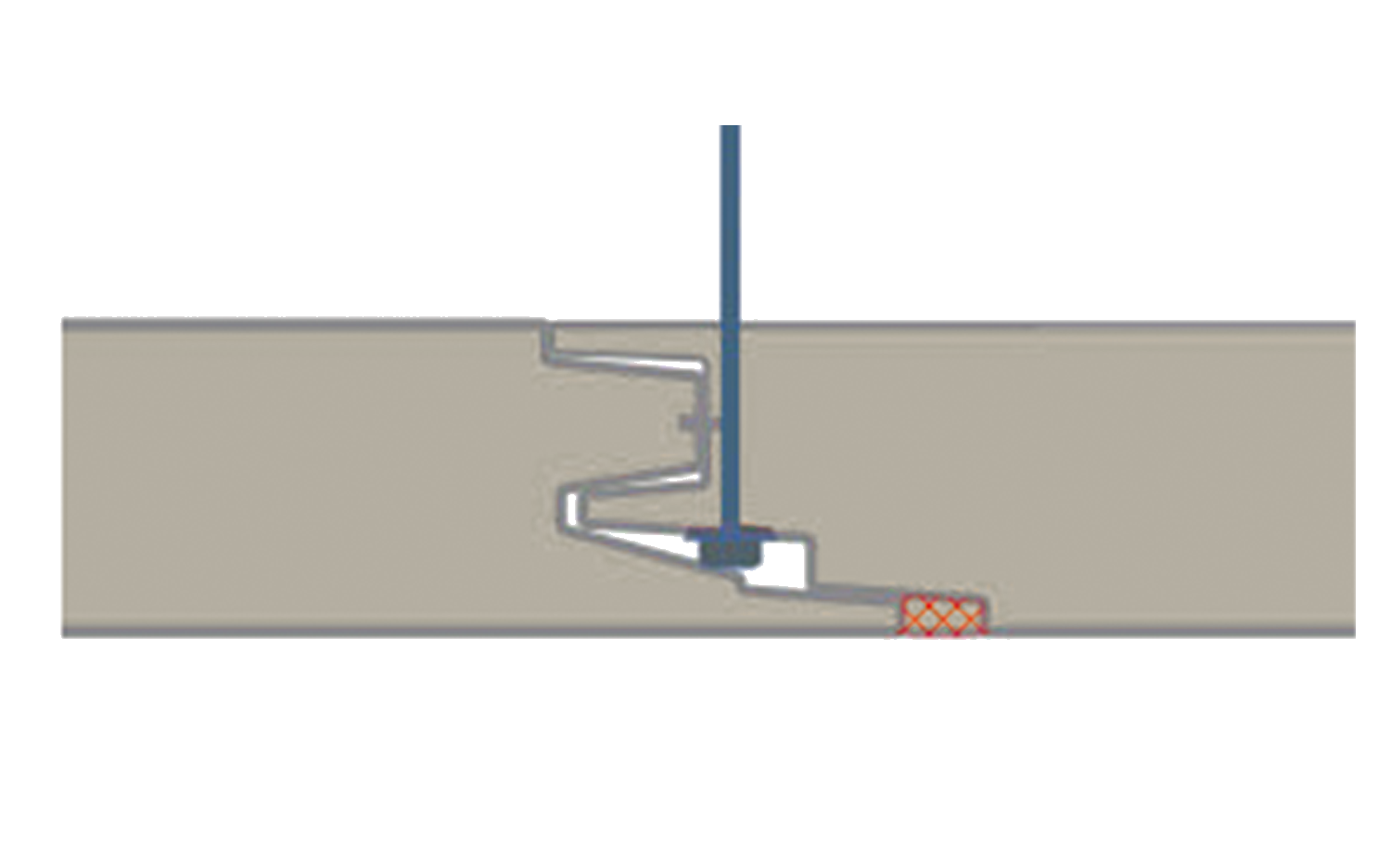
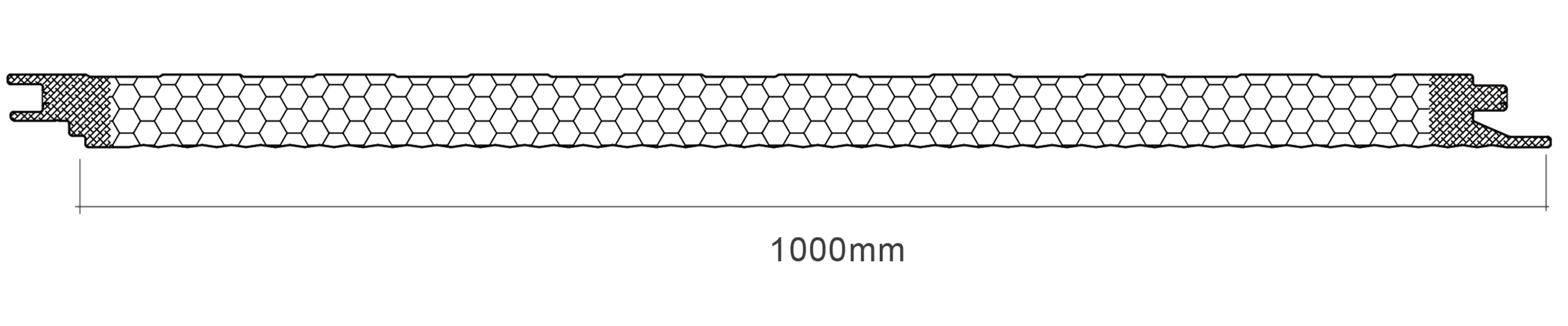
The Joint
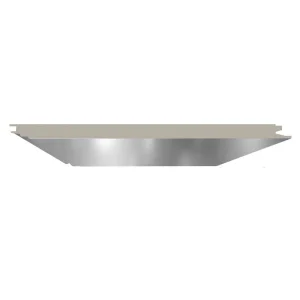
The complex design of split joint of the sandwich panels are widely used in industrial, commercial, and agricultural buildings, including warehouses, cold storage facilities and manufacturing plants.
This kind of complicated joint make the panels connect to each other tightly and seamless, when showing a beautiful appearance and maintain the insulation at the same time. Also the ease of installation and low maintenance requirements make them a cost-effective option for modern construction projects, helping to increase sustainability and efficiency.
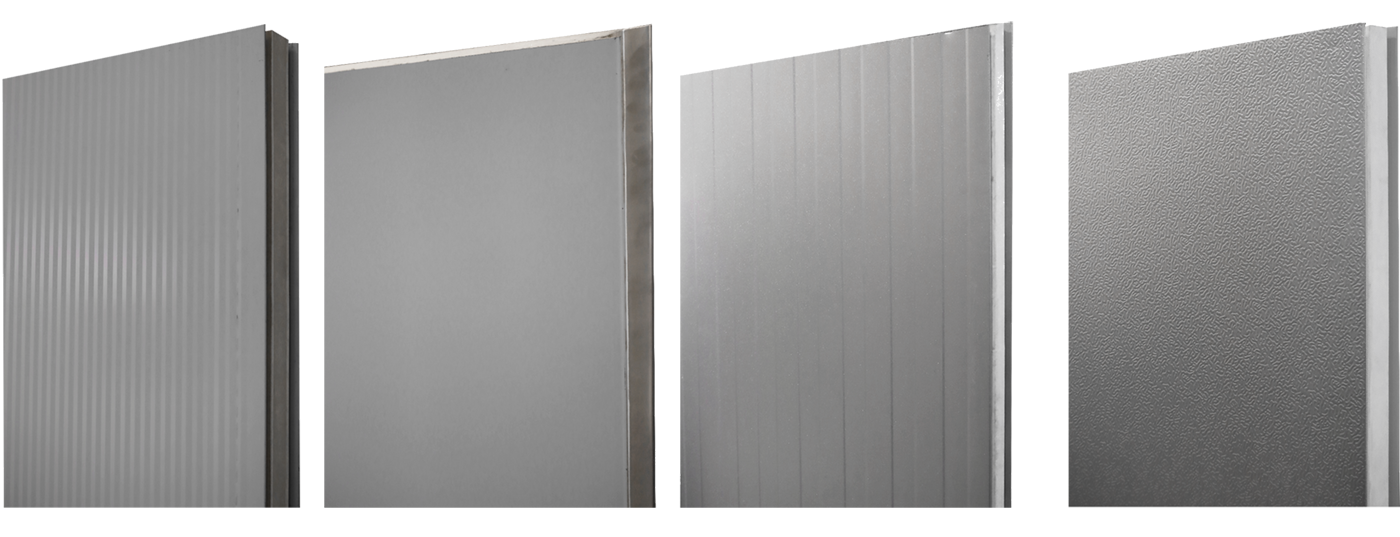
Surface Material
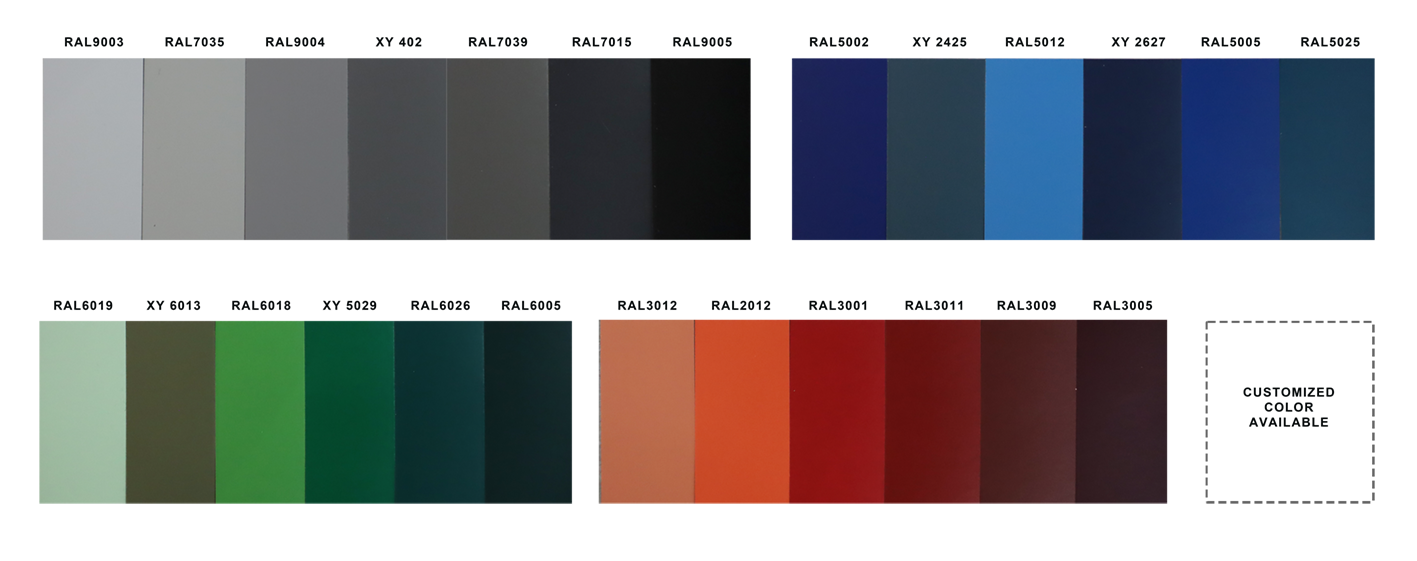
Our PUR / PIR seamless insulated exterior wall panels have multiple customizable surface steel material and color choices such as PPGI, Stainless steel, embossed aluminum etc.
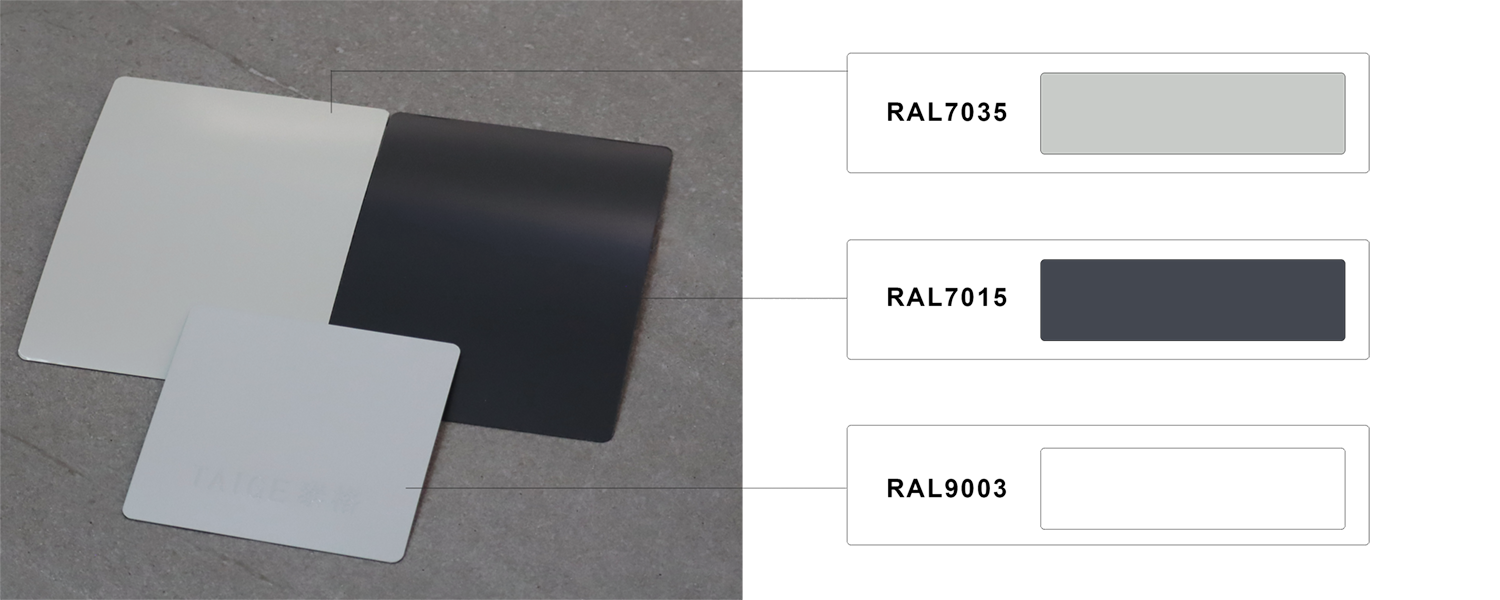
PPGI (Pre-painted Galvanized Iron)
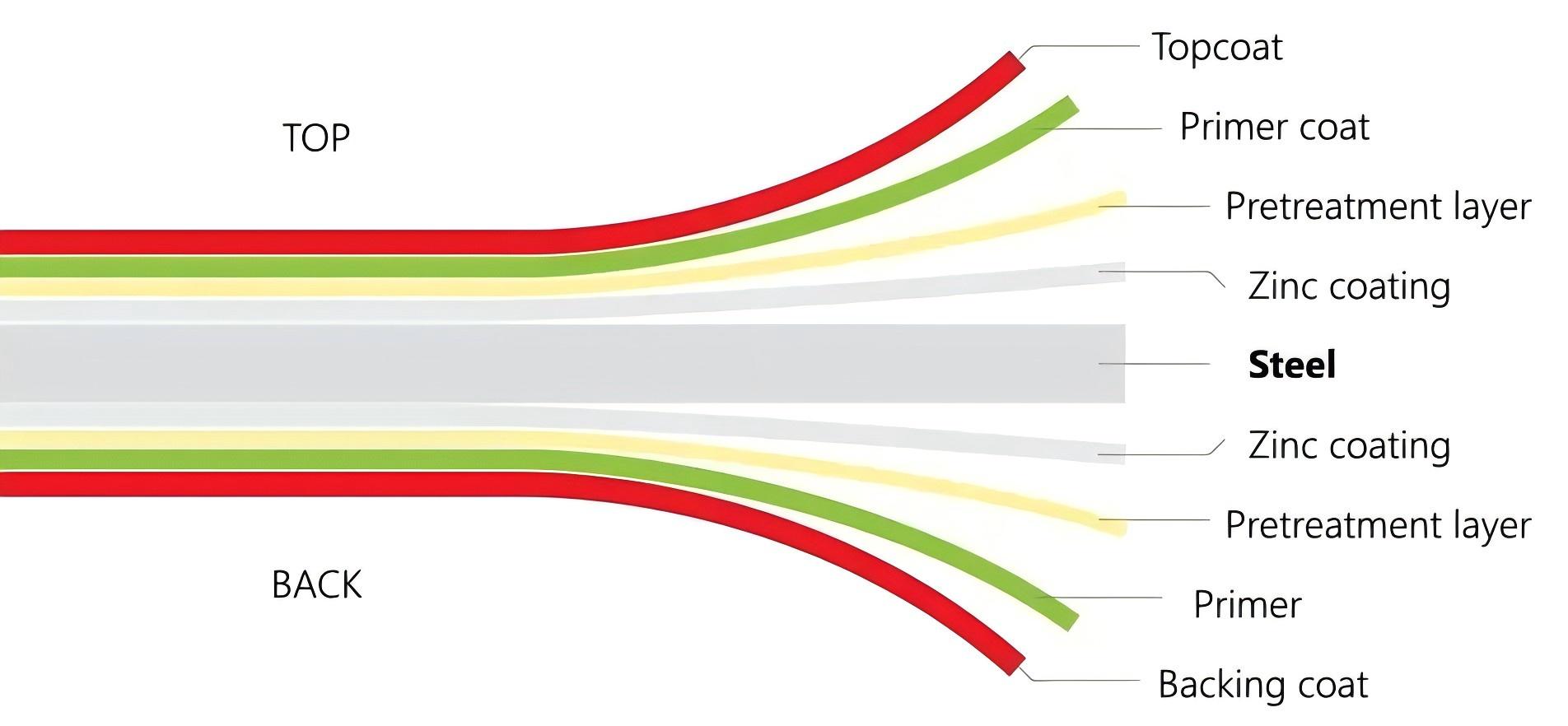
PPGI features a galvanized steel base coated with paint for excellent corrosion resistance and durability. It is lightweight, available in various colors, and environmentally friendly.
Typical Color (PPGI)
More Colors Available
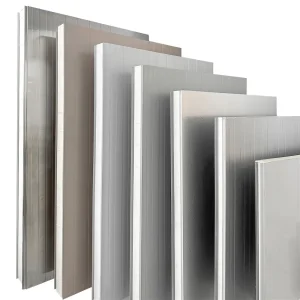
Other Surface Materials
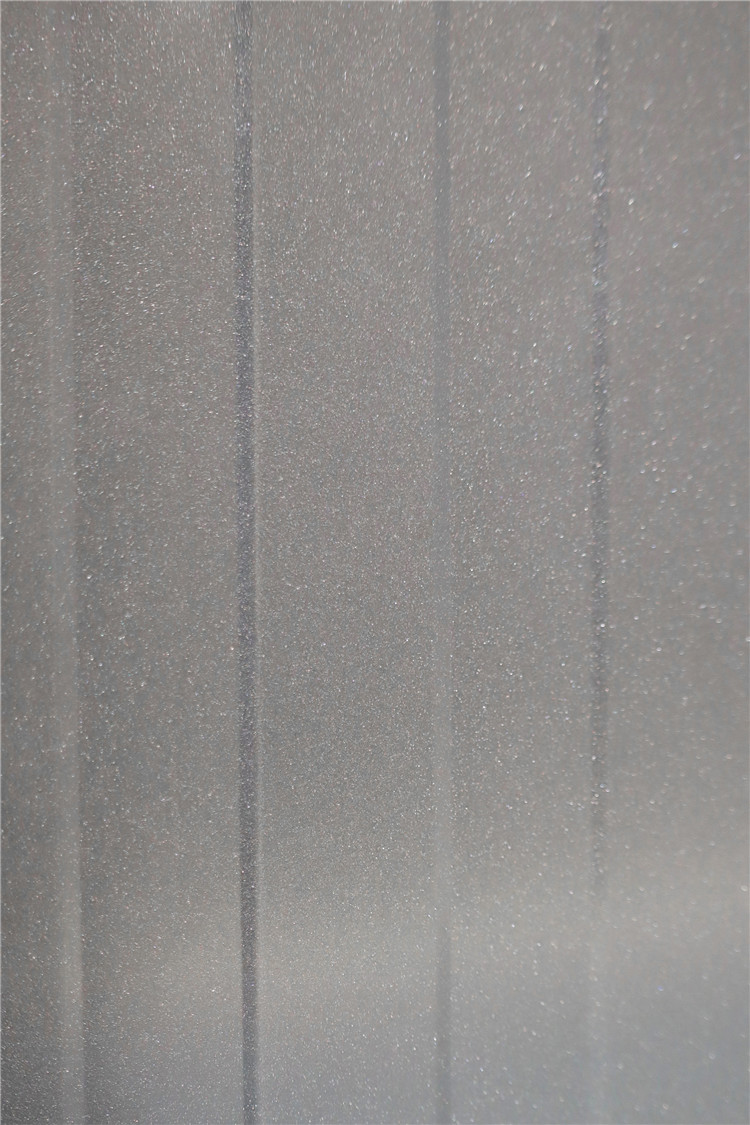
Ti-Mg-Zn-Al Alloy
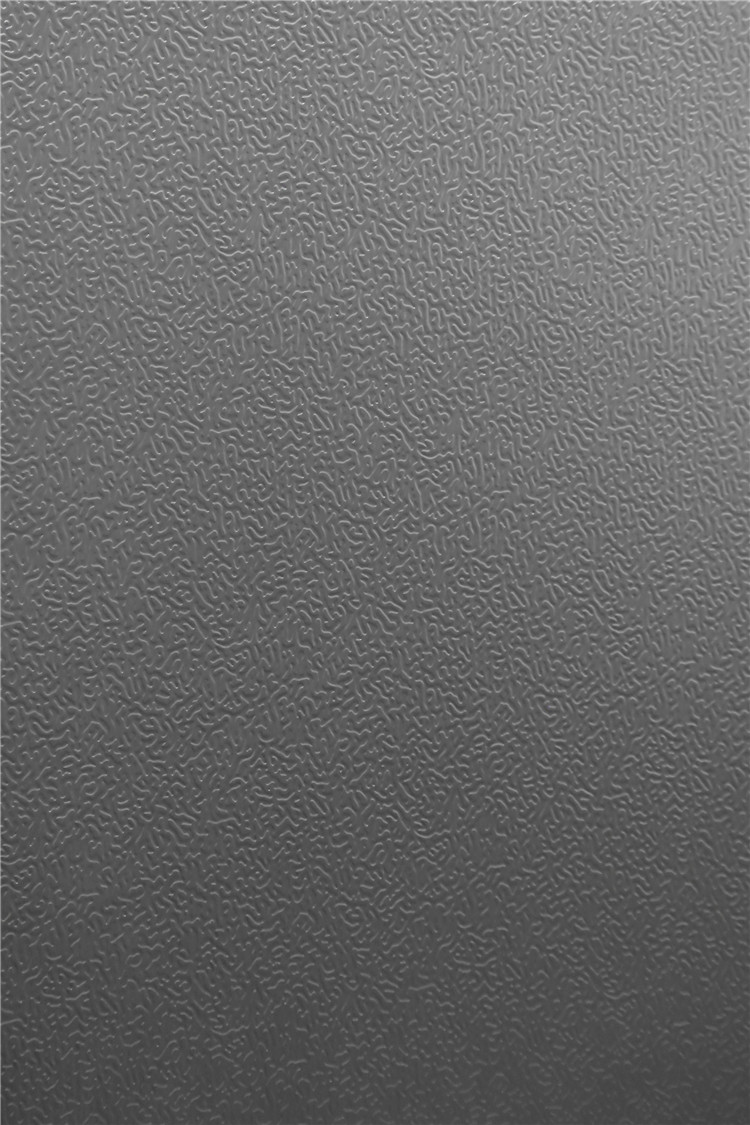
Embossed Aluminum
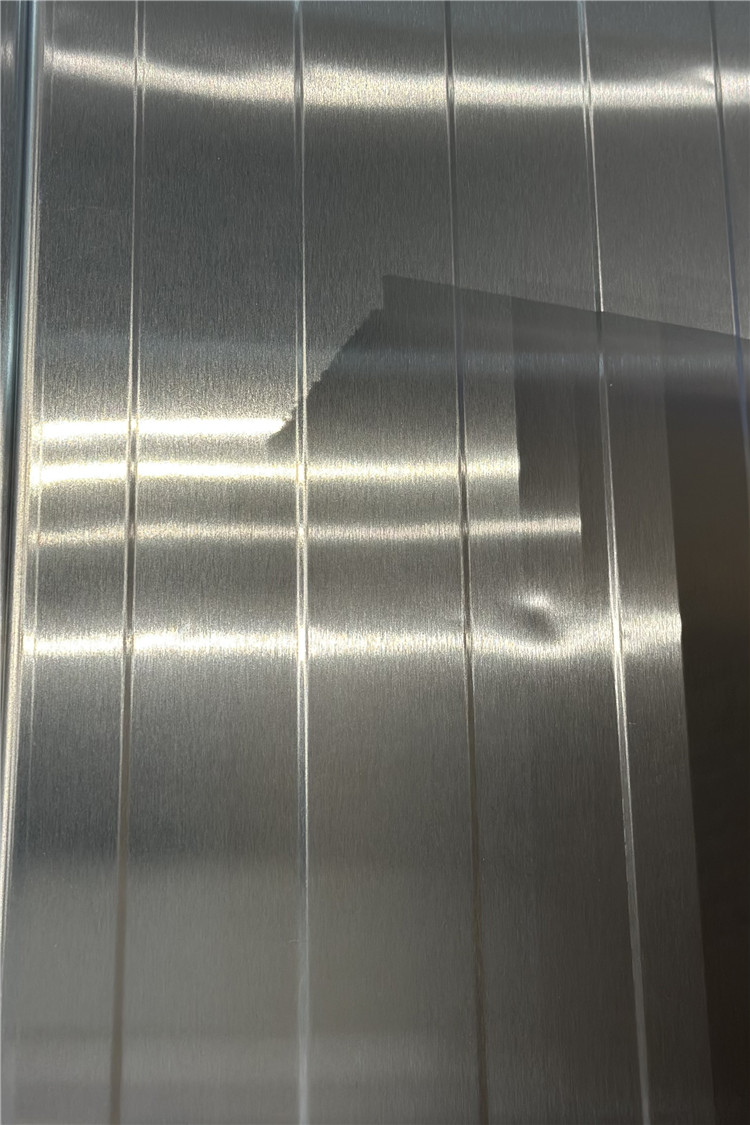
Stainless Steel (SUS304)
Extra Coating Options
The surface material can be enhanced with various advanced coatings:
- PVDF (Polyvinylidene Fluoride): Exceptional resistance to UV radiation, chemicals, and weathering.
- HDP (High-Durability Polyester): Superior durability and scratch resistance for industrial environments.
- EP (Epoxy Polyester): Excellent adhesion and resistance to chemicals and moisture.
Key Advantages of PUR/PIR Panels
PIR/PUR seamless insulation exterior wall panels represent a major advancement in construction technology. Their combination of energy efficiency, moisture resistance, and durability make them an attractive choice for modern building projects.
-
1
Energy Efficiency: Rigid foam core has a high R-value, effectively blocking heat transfer and lowering utility bills.
-
2
Moisture-proof: The foam core prevents mold growth and the seamless design minimizes water penetration risk.
-
3
Durability: Designed to withstand extreme temperatures, UV radiation, and physical impact for long-term integrity.
-
4
Aesthetic Variety: Available in a variety of colors and textures, contributing to a sleek, modern architectural look.
-
5
Easy to Install: Lightweight prefabricated nature allows for rapid on-site assembly, reducing labor costs.
Frequently Asked Questions
What is the difference between PUR and PIR foam core sandwich panels?
PUR (Polyurethane) and PIR (Polyisocyanurate) are both rigid foam core materials. PIR has a higher proportion of isocyanurate, providing improved fire resistance and slightly better thermal performance compared to PUR.
What thickness options are available for the Cam-Lock sandwich panels?
The panels are available in standard thicknesses of 100mm, 120mm, 150mm, and 200mm. Custom dimensions can be arranged based on specific project requirements.
What surface materials can be customized?
Options include PPGI (Pre-painted Galvanized Iron), Stainless Steel (SUS304 / SUS201), Embossed Aluminum, and special alloys such as Ti-Mg-Zn-Al composites.
What coating options are available for surface performance?
Three primary coatings are available: PVDF for UV/weather resistance, HDP for scratch/corrosion resistance in industrial settings, and EP for chemical resistance in indoor environments.
Are these sandwich panels suitable for cold storage facilities?
Yes. With a heat transfer coefficient of ≤0.024 W/[m·K], these panels are highly effective for maintaining stable low-temperature environments in cold storage applications.
How do the Cam-Lock joints contribute to installation efficiency?
The interlocking design allows panels to connect tightly and seamlessly without additional sealants, speeding up assembly while maintaining continuous insulation.
 YuanShengHeTong