Optimized structural components designed to meet the strict thermal resistance standards of the Australian Capital Territory (ACT).
An Analytical White Paper on ACT Cold Chain Economics, Carbon Neutrality Goals, and Building Regulations.
The Australian Capital Territory (ACT), centered around Canberra, represents a unique and highly specialized commercial ecosystem. Historically dominated by public administration, Canberra's commercial landscape has transitioned rapidly into an advanced logistics, pharmaceutical, and high-tech agricultural hub. With major industrial parks located in Hume, Fyshwick, and Mitchell, the demand for sophisticated cold storage infrastructure has surged. As a major distribution point connecting the Sydney-Melbourne transport corridor, Canberra requires highly efficient thermal barrier installations capable of weathering local climatic extremes.
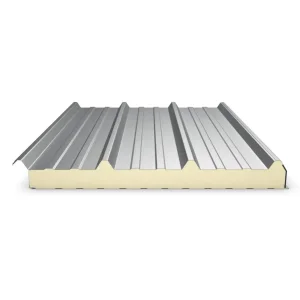
Unlike coastal metropolitan areas, Canberra experiences a dry continental climate characterized by significant diurnal temperature shifts. Summer temperatures frequently exceed 40°C, while winter nights regularly plummet below freezing. This temperature volatility imposes extreme thermal fatigue on building envelopes. Standard composite panels fail to prevent thermal bridging under these conditions, leading to severe condensation, moisture ingress, and catastrophic insulation efficiency losses. To mitigate these risks, regional engineers specify Polyisocyanurate (PIR) and Polyurethane (PU) sandwich panels that maintain structural integrity and a low thermal conductivity profile (λ ≤ 0.021 W/m·K) across wide temperature bands.
In the ACT, all new building works must comply with Section J of the NCC, which mandates stringent energy efficiency standards. For cold storage and conditioned spaces, achieving R-values of R-5.5 to R-6.0 is standard. This requires high-density PIR panels with precision continuous double-belt lamination, ensuring a homogeneous core structure with a closed-cell ratio exceeding 95%.
Aligning manufacturing capabilities with local Australian engineering specifications.
Global procurement managers sourcing refrigeration systems and thermal envelopes must navigate a complex array of structural, acoustic, thermal, and fire safety requirements. Our export programs are engineered to address the specific friction points commonly encountered in Australian procurement pipelines, particularly around lead times, structural compliance certifications, and freight optimization.
By leveraging advanced logistics structures and a large-scale manufacturing plant (60,000 square meters), we bridge the gap between factory-direct cost efficiencies and local Australian compliance. This is achieved by adhering strictly to the International Standard Organization (ISO) parameters and aligning our quality control systems with Australian testing protocols (such as AS/NZS 4859.1 for thermal performance and AS 1530.3 for fire hazards). Our modular assembly methods ensure that cold storage cam-lock panels and heavy-duty refrigeration units fit seamlessly upon arrival, minimizing onsite labor costs which are notoriously high in the Canberra region.
Transitioning toward GWP-neutral insulation agents and high-COP intelligent defrosting systems.
The global refrigeration and insulation industries are undergoing a massive transition driven by the phase-down of hydrofluorocarbons (HFCs) under the Kigali Amendment. For Canberra enterprises, which operate under some of the most progressive environmental policies in the Southern Hemisphere, incorporating sustainable technologies is a core corporate directive. Our research and development department has integrated green blowing agents (such as pentane-based formulations with zero Ozone Depletion Potential and negligible Global Warming Potential) directly into our PIR continuous line production.
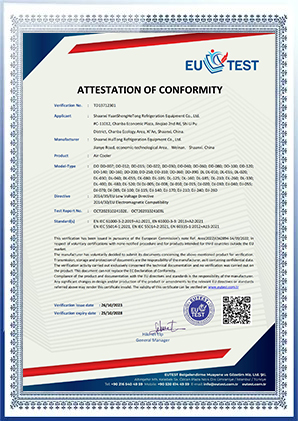
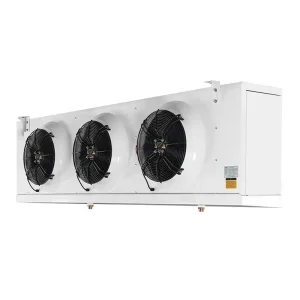
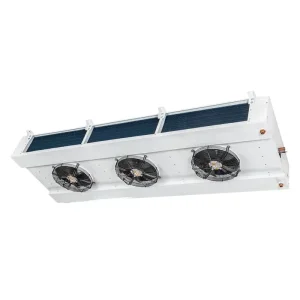
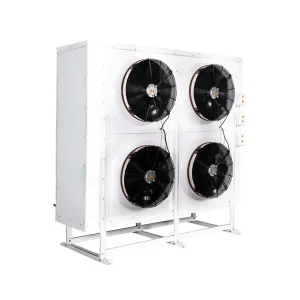
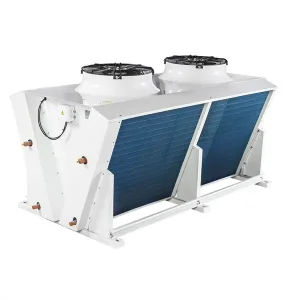
Simultaneously, the development of intelligent defrosting mechanisms on our industrial evaporators—specifically electric defrost and hot fluorine defrost systems—optimizes energy usage. Standard defrost cycles in cold rooms represent a significant thermal load, introducing unwanted heat into the cooled envelope. Our CE-certified air coolers utilize high-efficiency fin geometry and intelligent thermal controls that initiate defrost cycles only when frost accumulation reaches a critical thickness, preserving the Coefficient of Performance (COP) of the overall compressor rack.
In 2023, our facility transitioned into an eco-friendly manufacturing model. By reducing volatile organic compound (VOC) emissions during the polyurethane foaming process and recycling steel offcuts, we ensure that our global supply chain has a minimal environmental footprint, matching the sustainability values of the Canberra community.
Our Corporate History, Production Capabilities, and Global Quality Certifications.
Shaanxi YuanShengHeTong Refrigeration Co., Ltd. is a professional factory and enterprise focusing on insulation panels and refrigeration equipment. Besides product manufacture, we also provide services like project design, construction, installation, as well as after-sales service.
We integrate "high quality products, one-stop project solution, engineering advanced services, and international trade" to provide customers with excellent products and satisfied services. Our involved professional fields include refrigeration of fruits, vegetables, food industry; also refrigeration of large supermarkets, restaurants, hotels, medical and logistics companies etc.
Our business in refrigeration fields started in 1996, with more than 20 years experience in refrigeration industry, we are confident in our professionality. And our factory is specializing in refrigeration manufacturing and technology.
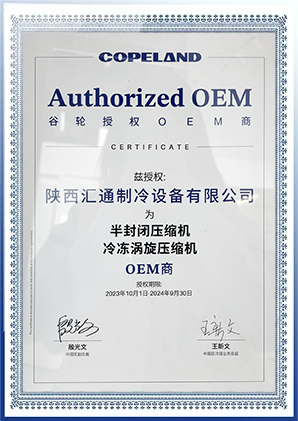
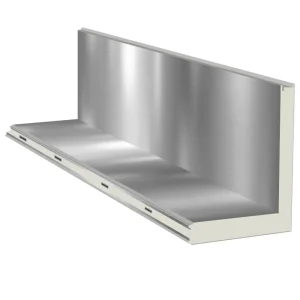
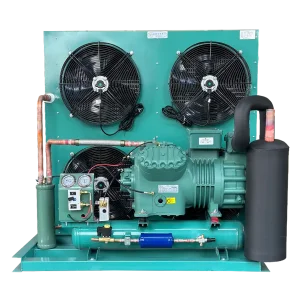
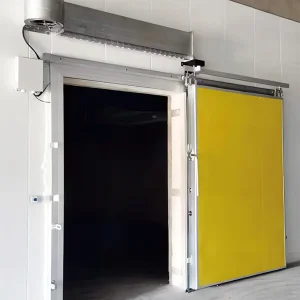
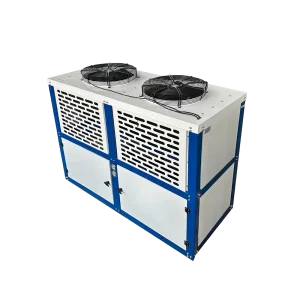
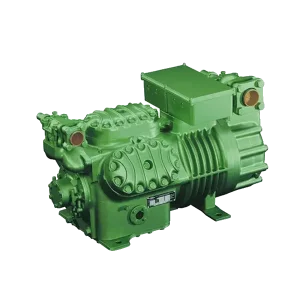
With about 180 workers and 10 QC team, the quality and efficiency are guaranteed of our products. And we are always aiming for higher quality products and better service. Now, the factory has an existing production site of 60,000 square meters, 4 standardized workshops, high quality and efficient production equipment, as well as advanced production lines and techniques. Our factory mainly produces PIR (Polyisocyanurate) and PU (Polyurethane) sandwich panels, cold storage doors, air coolers, condensers, condensing units, compressor units etc.
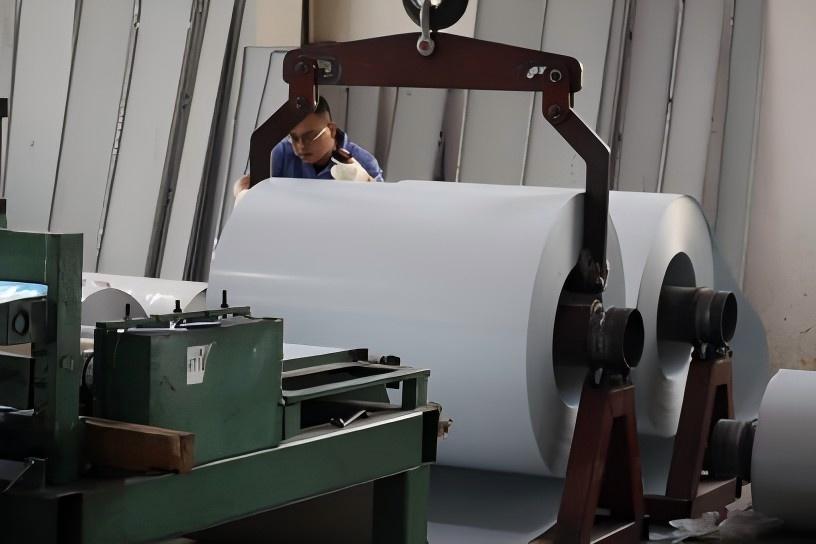
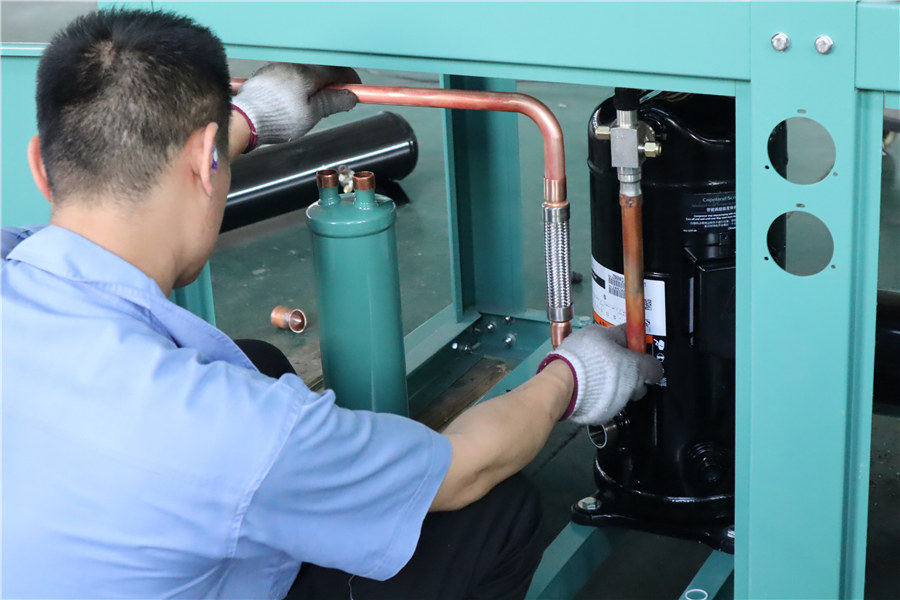
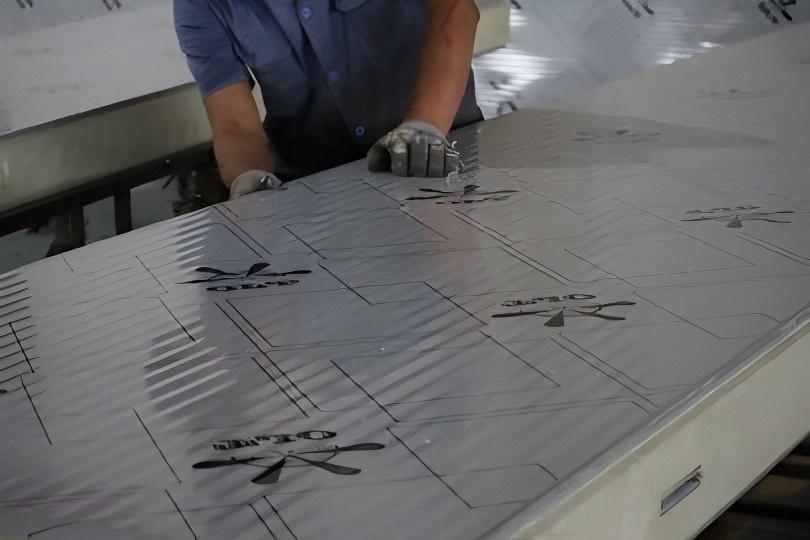
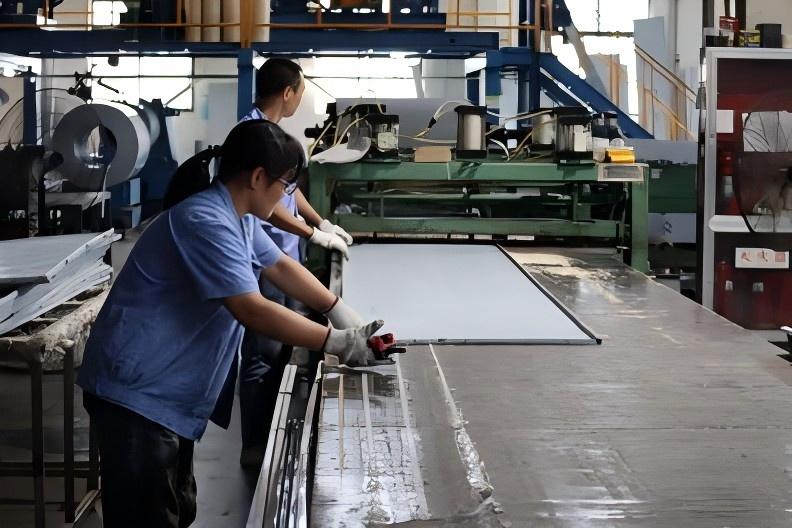
Our founder started the business from refrigeration equipment marketing and installation.
With our first factory completed in Shaanxi, we produced our first cam-lock sandwich panels.
The second factory in LanZhou completed, our business started to cover the whole north-west market in China.
Following larger business growth and international expansion, the Shaanxi factory relocated to a larger facility, expanding to 120 acres with 8 advanced workshops.
Implementing advanced technology in the insulation panel industry, we launched our first automatic split-joint production line.
Our second advanced automatic production line put on stream, reaching higher productivity, efficiency, and quality consistency.
With the responsibility of sustainability, we are now moving into an eco-friendly manufacturing model.
In-depth responses to direct engineering and procurement inquiries regarding ACT installations.
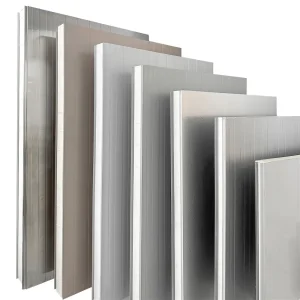
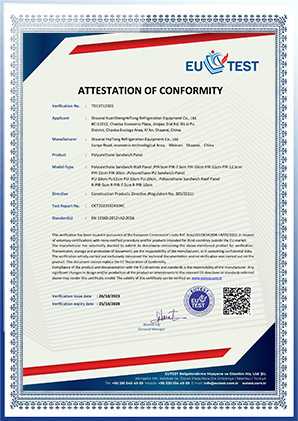
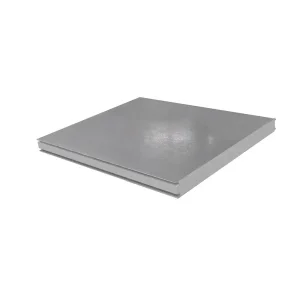
Our PIR (Polyisocyanurate) sandwich panels achieve excellent thermal resistance ratings. For instance, a 100mm thick PIR panel delivers an R-value of approximately R-4.76 (m²·K/W) at a 15°C mean temperature, while our 150mm panel reaches R-7.14, complying with Section J of the Australian National Construction Code (NCC) for climate zone 7 (Canberra region).
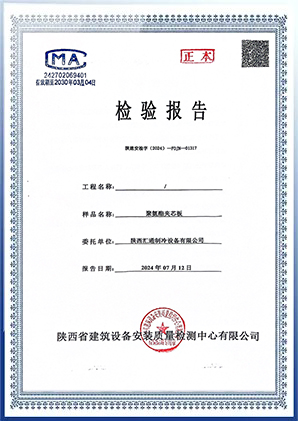
Our high-density PIR core formulation features self-extinguishing properties that meet AS 1530.3 indices (Ignitability Index: 0, Spread of Flame Index: 0, Heat Evolved Index: 0, Smoke Developed Index: 2-3). The chemical ring structure of polyisocyanurate provides a stable carbonaceous char barrier when exposed to flame, preventing structural collapse during fire incidents.
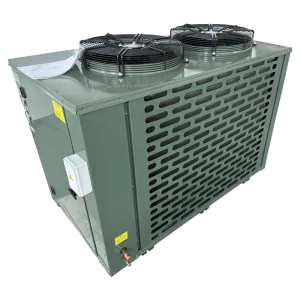
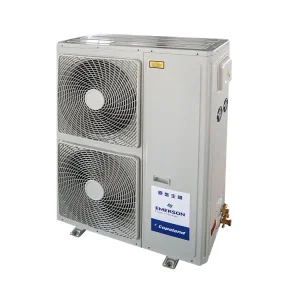
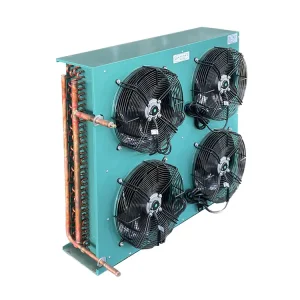
Our condensing units are highly versatile and compatible with traditional refrigerants such as R404A and R134a, as well as low-GWP (Global Warming Potential) options like R448A and R449A. This ensures compliance with the Australian HFC phase-down framework while maintaining maximum thermodynamic efficiency.
Hot gas defrosting routes high-temperature refrigerant vapor directly from the compressor discharge into the evaporator coil. This melts frost from the inside out, which is up to 3 times faster and uses up to 70% less energy than electrical heating elements. This system minimizes thermal shock to the storage environment and significantly reduces utility costs in large-scale Canberra installations.
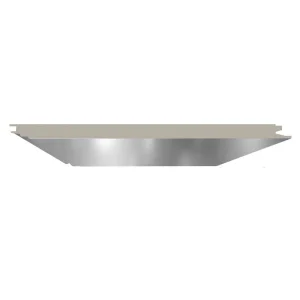
Our cam-lock panels are manufactured with structural tongue-and-groove profiles integrated with dual-soft PVC gaskets. The tensioned cam-locks pull the panels together with a force exceeding 2.5 kN, creating a gas-tight seal. This mechanical joint prevents thermal bypass and vapor migration, even when the cold room is subjected to internal pressure changes during warm-up or pull-down cycles.
Standard manufacturing times range between 15 to 25 days depending on the volume. Our dedicated 10-person QC team conducts inspections at three critical phases: raw material inspection, mid-production lamination check, and final load testing. Every panel batch is numbered and tracking samples are retained. We coordinate directly with major shipping lines to manage custom freight configurations, ensuring safe delivery to Australian ports.
Comprehensive portfolio of high-efficiency components, evaporator lines, and insulated access solutions.
Connect directly with our engineering and logistics specialists to receive detailed CAD plans, structural calculation profiles, and a transparent pricing quote tailored to your Canberra building site.
Send Inquiry Now YuanShengHeTong