In the contemporary landscape of industrial construction, the role of Sandwich Paneel Hinds (High-Performance Industrial Non-flammable Durable Systems) has transitioned from simple building materials to critical assets for thermal management and energy sustainability. As a leading manufacturer in China, we recognize that global procurement demands have shifted towards Information Gain—buyers no longer seek just a product, but a scientifically validated solution for cold chain integrity.
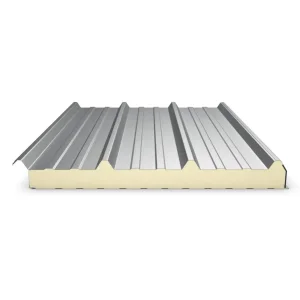
The global demand for high-grade insulation is driven by the rapid expansion of pharmaceutical logistics, the booming e-commerce grocery sector, and the stringent environmental regulations concerning carbon footprints. Our PIR (Polyisocyanurate) and PUR (Polyurethane) sandwich panels represent the pinnacle of this evolution, offering thermal conductivity as low as 0.019 W/(m·k).
The global sandwich panel market is projected to reach $25 billion by 2028. Key trends include:
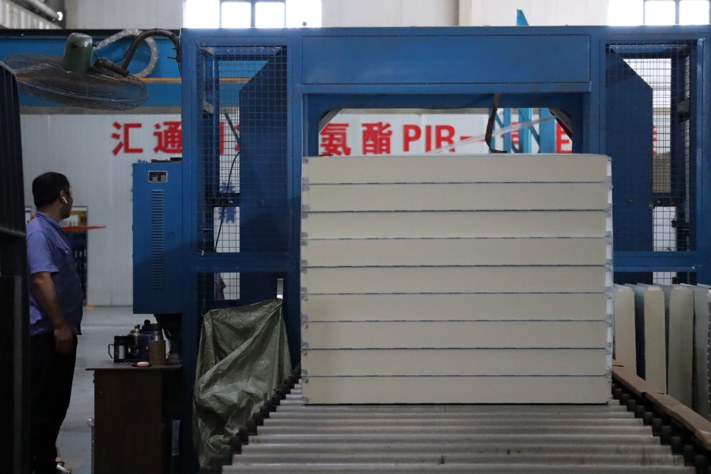
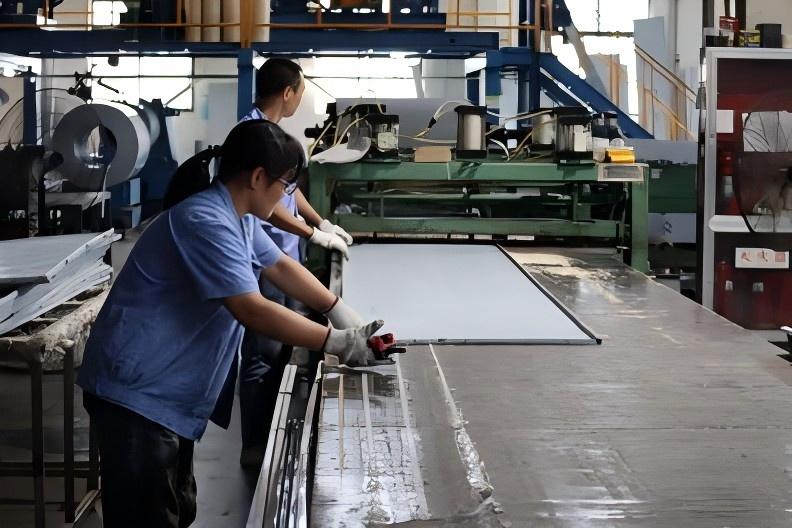
Our 60,000 sqm production facility utilizes Industry 4.0 standards. With automated split-joint production lines integrated in 2018 and 2020, we eliminate human error in core-to-surface bonding, ensuring structural integrity that lasts over 30 years.
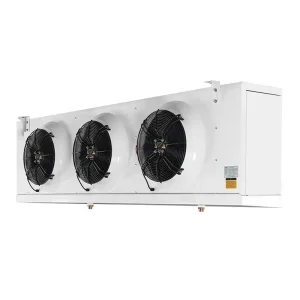
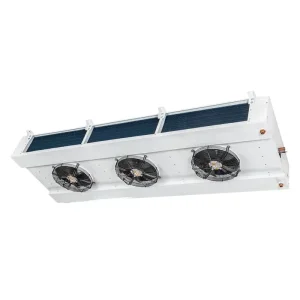
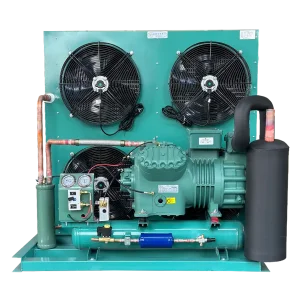
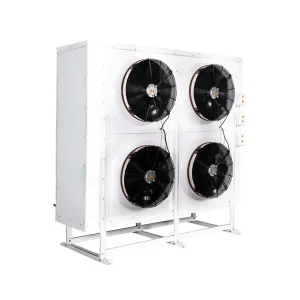
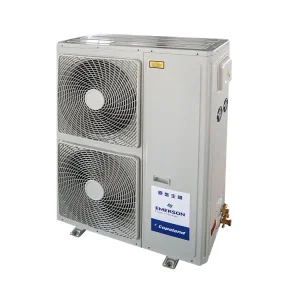
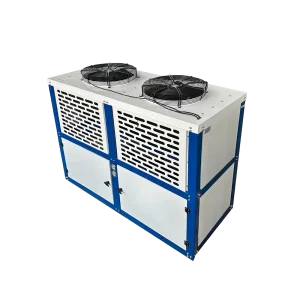
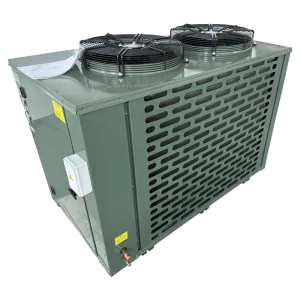
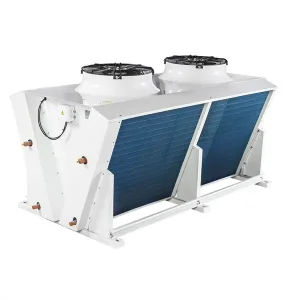
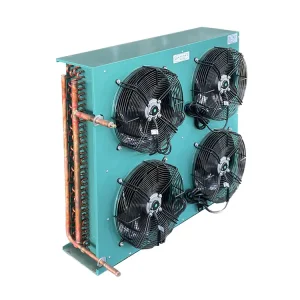
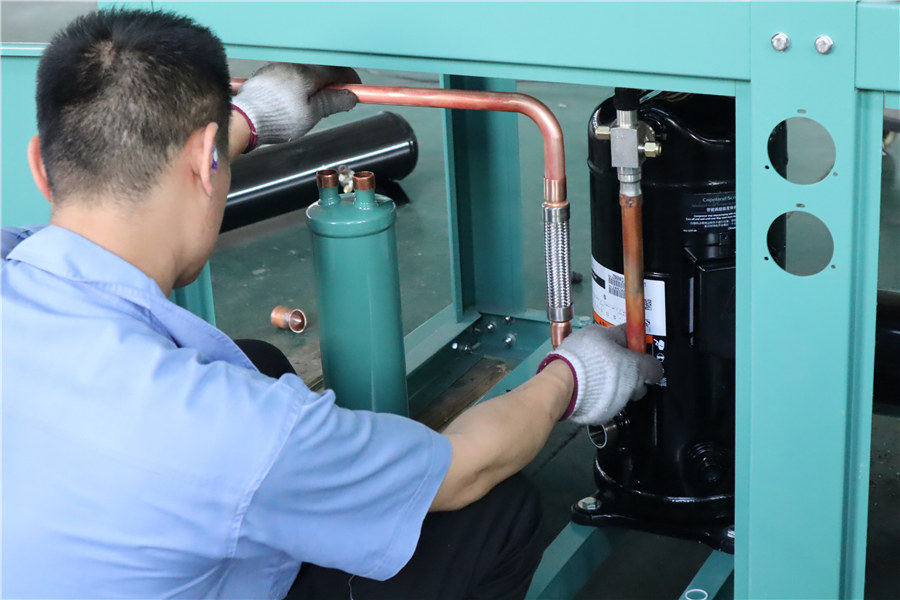
By manufacturing our own air coolers, condensers, and cam-lock panels, we provide a unified supply chain. This vertical integration reduces lead times by 35% and ensures 100% compatibility between the thermal envelope and the refrigeration equipment.
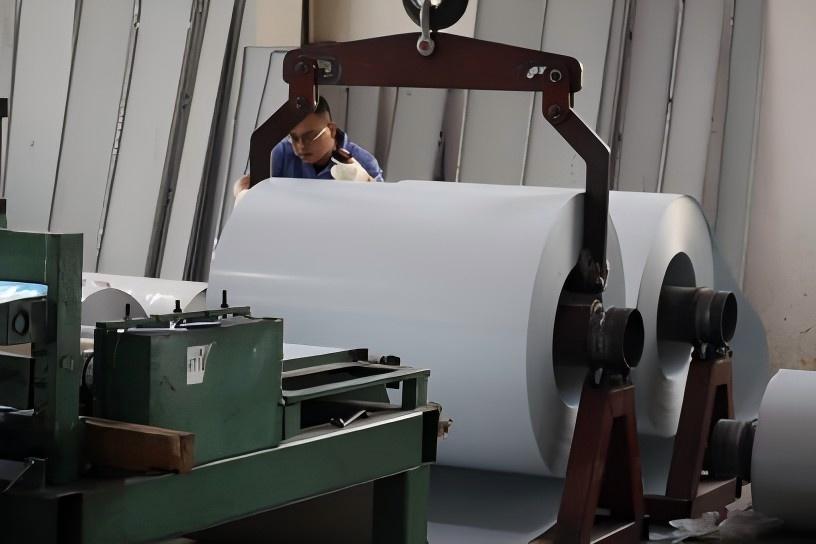
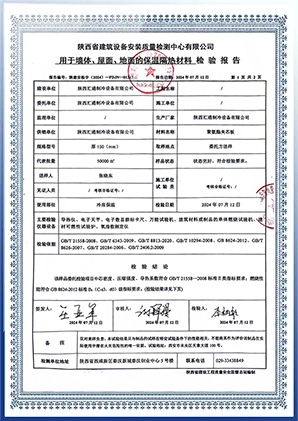
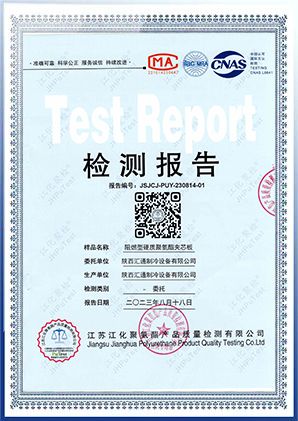
A dedicated 10-person QC team monitors every stage—from the chemical mixing of PUR/PIR to the galvanized steel coating thickness. We adhere to international ISO and CE standards, ensuring our products meet the "Reliability" pillar of E-E-A-T.
Engineering sandwich panels for diverse climatic and operational environments.
Large-scale distribution centers require panels with high tensile strength. Our PIR panels support spans up to 12 meters, reducing the need for heavy secondary steelwork, thus lowering overall construction costs.
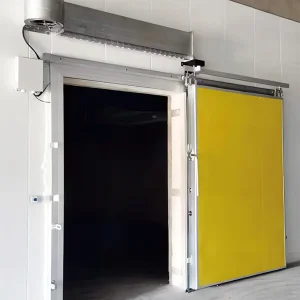
Our panels feature anti-bacterial coatings and seamless cam-lock joints that prevent microbial accumulation, essential for vaccine storage and semiconductor manufacturing.
Optimized for high-humidity environments. Our hot-dip galvanized and PVDF-coated steel skins resist corrosion from organic acids in fruit and vegetable storage.
We are a professional factory and enterprise focusing on insulation panels and refrigeration equipment. Beyond manufacturing, we provide comprehensive services including project design, construction, installation, and dedicated after-sales support.
Our expertise spans more than 20 years, serving sectors from large supermarkets and restaurants to medical logistics and hospitality. We integrate high-quality products with one-stop project solutions to ensure client satisfaction across global markets.
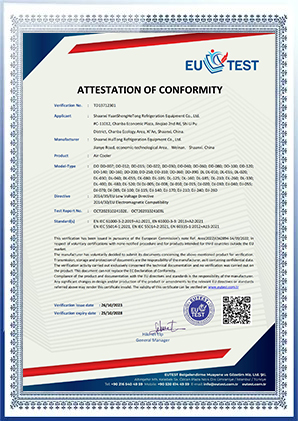
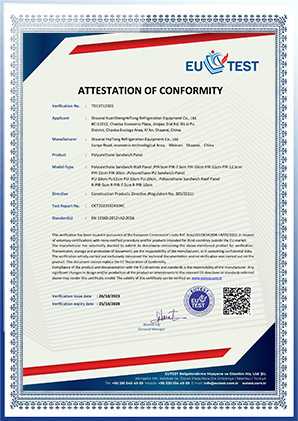
While both provide excellent insulation, PIR (Polyisocyanurate) has superior fire resistance compared to PUR (Polyurethane). PIR creates a protective char layer when exposed to flame, meeting B1 fire safety ratings, whereas PUR is typically B2 or B3 rated. PIR is recommended for high-risk industrial environments.
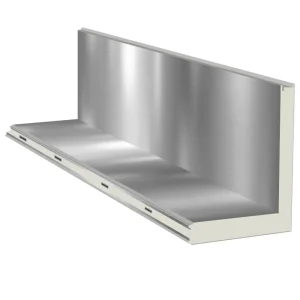
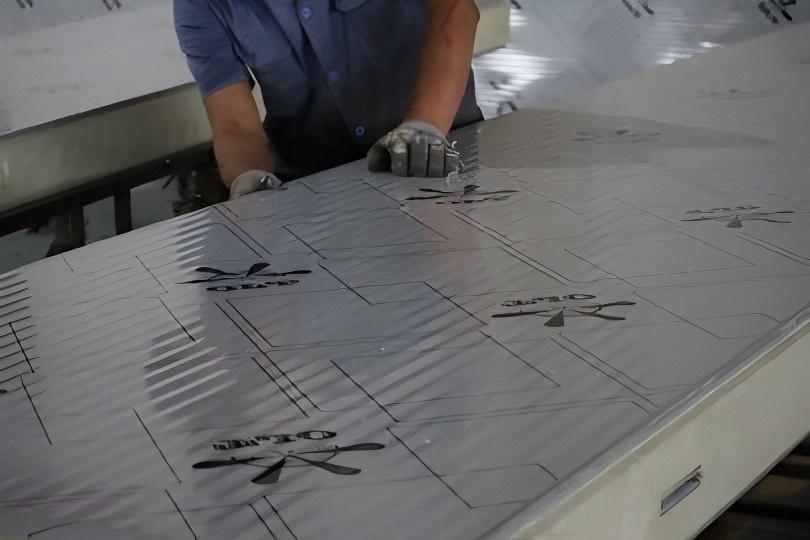
The eccentric cam-lock system ensures a tight, hermetic seal between panels. Unlike tongue-and-groove joints that rely solely on sealant, cam-locks mechanically pull panels together, preventing thermal bridging and air leakage, which can reduce energy consumption by up to 15%.
Yes. Our panels are designed with multi-layer coatings (PE, PVDF, or Stainless Steel) and high-density cores (40-42 kg/m³) to resist thermal expansion and corrosion in high-humidity and high-temperature regions.
Typically, standard production takes 15-20 days. However, thanks to our automatic production lines and 60,000 sqm facility, we can expedite large-scale orders without compromising on the 100% QC inspection protocol.
 YuanShengHeTong