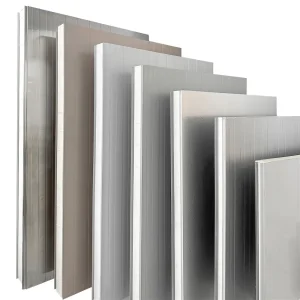
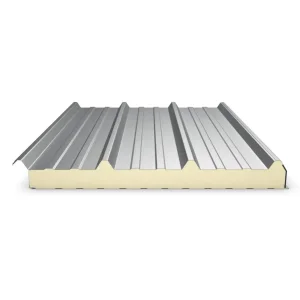
In modern structural engineering, control over thermal energy migration is a pivotal challenge. As international supply chains expand to transport temperature-sensitive pharmaceuticals and perishable food supplies, the demand for high-efficiency structural envelopes has accelerated. CE Certified Polyurethane (PUR) and Polyisocyanurate (PIR) Sandwich Wall Panels represent the peak of modern material science, offering architectural designers and thermal envelope engineers a highly reliable solution to achieve optimal thermal resistance, structural rigidity, and fire safety compliance.
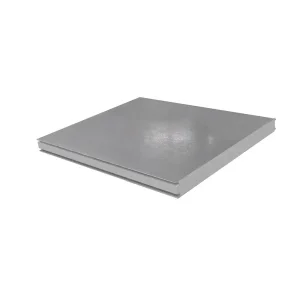
From the standpoint of thermodynamic efficiency, these panels operate as composite structural systems. By sandwiching a high-density, low-thermal-conductivity rigid foam core between two structural metallic skins, these panels minimize thermal bridging, provide exceptional wind load resistance, and guarantee structural integrity over decades. As standard compliance requirements become increasingly strict across Europe, the Middle East, and the Americas, sourcing from verified CE-certified manufacturers who hold rigorous ISO 9001 and EN 14509 qualifications has transitioned from an operational preference to a critical compliance necessity for EPC contractors worldwide.
Information Gain Insight: Unlike standard wall materials, PIR/PUR panels exhibit a closed-cell structure (>95%), meaning their thermal insulation values do not degrade rapidly when exposed to humidity. This characteristic makes them the premium choice for extreme industrial environments such as high-capacity blast freezers, pharmaceutical cold storage rooms, and cleanroom facilities.
Founded on the principles of engineering precision and uncompromising quality, Shaanxi YuanShengHeTong Refrigeration Equipment Co., Ltd. has established itself as an industry-leading manufacturer and exporter of cold chain equipment and thermal insulation materials. We recognize that refrigeration is not merely about mechanical hardware; it represents a comprehensive architectural system that must operate seamlessly under extreme temperature differentials.
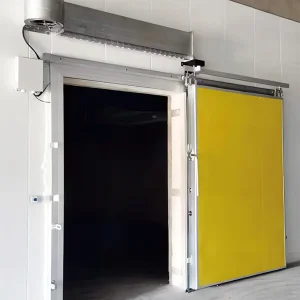
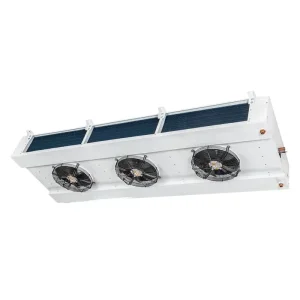
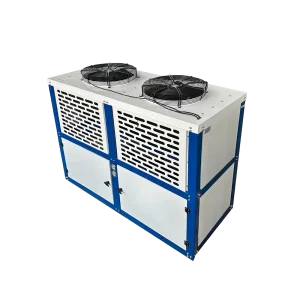
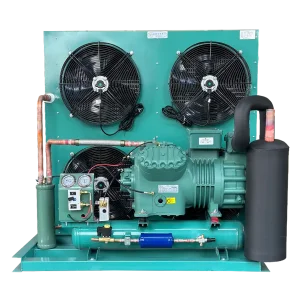
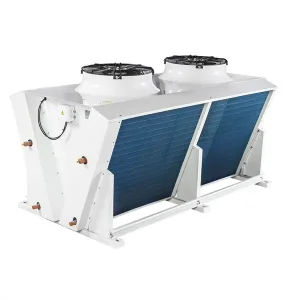
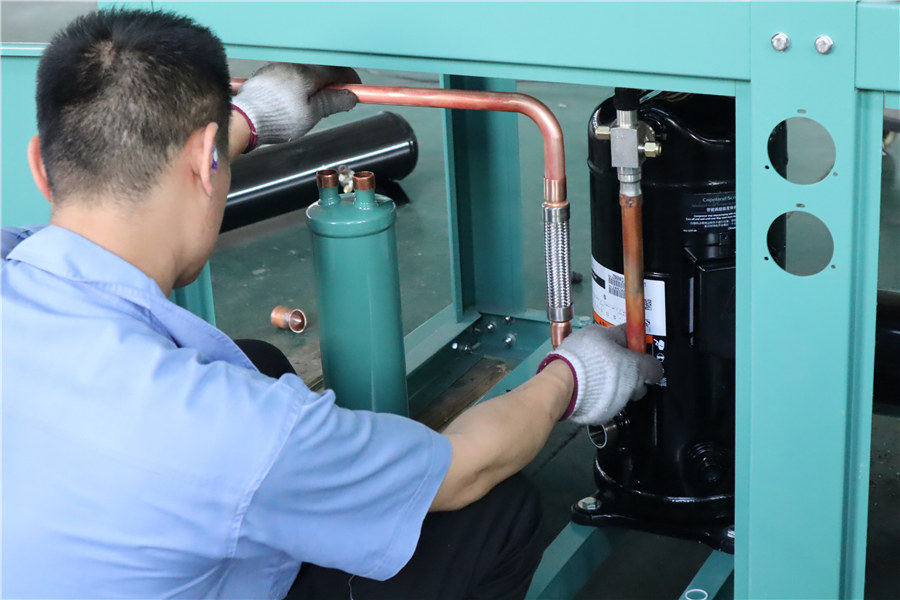
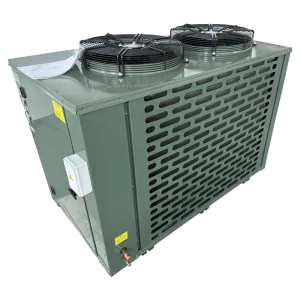
Our operational ethos integrates scientific project design, standardized manufacturing, and structured execution. By offering complete "one-stop" project integration, we provide high-performance PIR/PUR sandwich panels, air coolers, condensing units, and automated cold room doors engineered specifically to withstand heavy industrial usage.
Whether serving agricultural storage projects in central Asia, supermarkets in Europe, or high-tech bio-pharmaceutical labs, Shaanxi YuanShengHeTong is committed to delivering state-of-the-art thermal engineering designed to optimize energy consumption and enhance storage longevity.
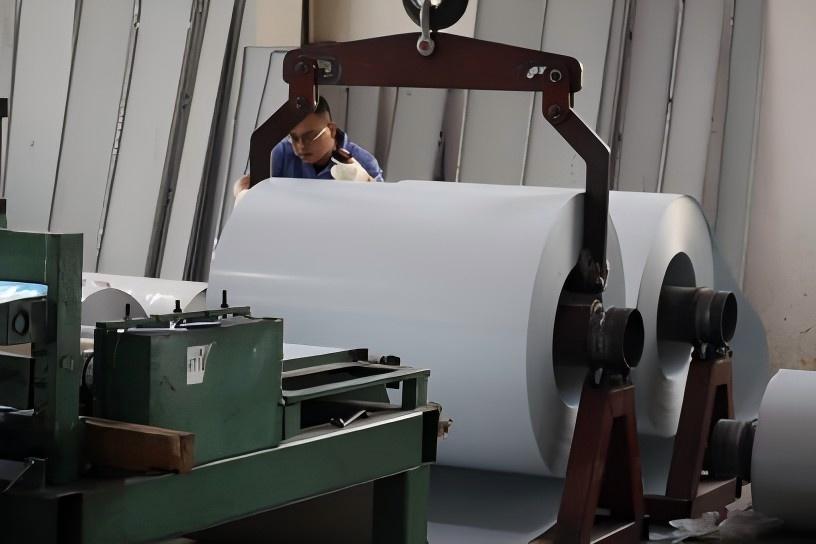
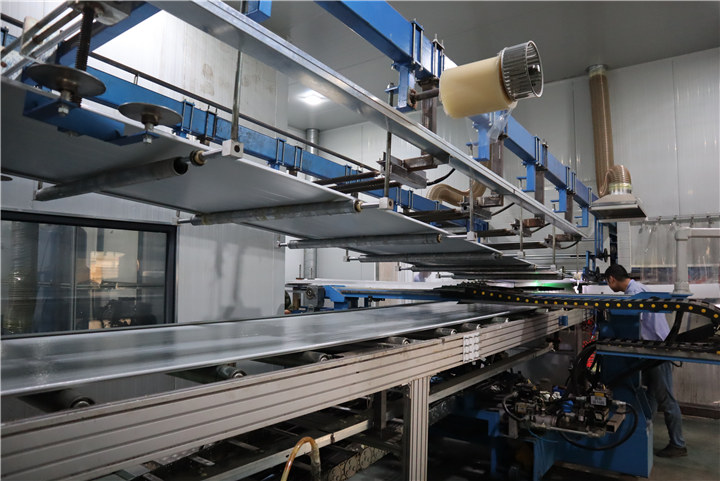
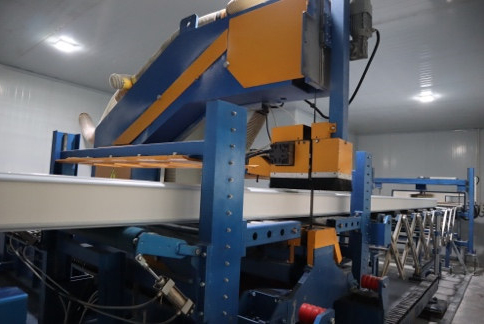
Our business started in 1996. Over 28 years, we have scaled our production to 4 standardized workshops, employing state-of-the-art double-belt continuous lamination lines that guarantee dimensional accuracy and structural homogeneity across every panel we manufacture.
The founder initiated operations in refrigeration equipment marketing, laying the foundation for core field engineering, installation, and industrial maintenance expertise.
Establishment of our first specialized production plant in Shaanxi, successfully manufacturing high-precision cam-lock sandwich panels to serve the expanding Chinese domestic cold storage sector.
Completed the LanZhou facility, expanding logistical and production footprints to reliably support cold chain developments throughout Northwest China.
Relocated the Shaanxi headquarters to a massive 120-acre modern industrial park, housing 8 advanced manufacturing and heavy engineering workshops.
Commissioned the first automated split-joint production line, reducing thickness deviations and increasing the structural stability of the panel cores.
Integrated a second high-speed automated lamination production line, expanding factory throughput capacity while guaranteeing precision alignment of steel profiles.
Transitioned into an eco-friendly manufacturing model, utilizing low-GWP pentane blowing agents to address zero-ozone-depletion standards for global exporters.
The primary differentiator in sandwich panel performance lies within the chemical composition of the insulating core. Polyurethane (PUR) and Polyisocyanurate (PIR) are both closed-cell rigid polymer foams, yet they perform very differently under high-temperature loads and fire exposure.
Our panels achieve an exceptional initial thermal conductivity value (λ) as low as 0.019 W/m·K. This ensures that a 100mm PIR panel can match the thermal performance of a 200mm concrete block wall, resulting in significant savings on cooling costs.
PIR panels feature superior chemical ring structures that char rather than melt when exposed to open flame. Certified to EN 13501-1 Class B-s1, d0 standards, these systems slow flame spread and emit minimal smoke, protecting structural integrity.
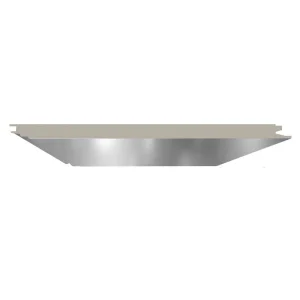
Engineered with precise interlocking male-female joints and optional eccentric cam-locks, our panels form a highly continuous seal. This design prevents thermal bridging, air infiltration, and condensation risk within the insulation core.
Macro-Industry Optimization: Modern logistics spaces demand rapid constructability. Because sandwich wall panels function as both the structural cladding and the primary thermal barrier, they eliminate multiple construction steps, reducing building schedules by up to 40% compared to traditional multi-layer construction methods.
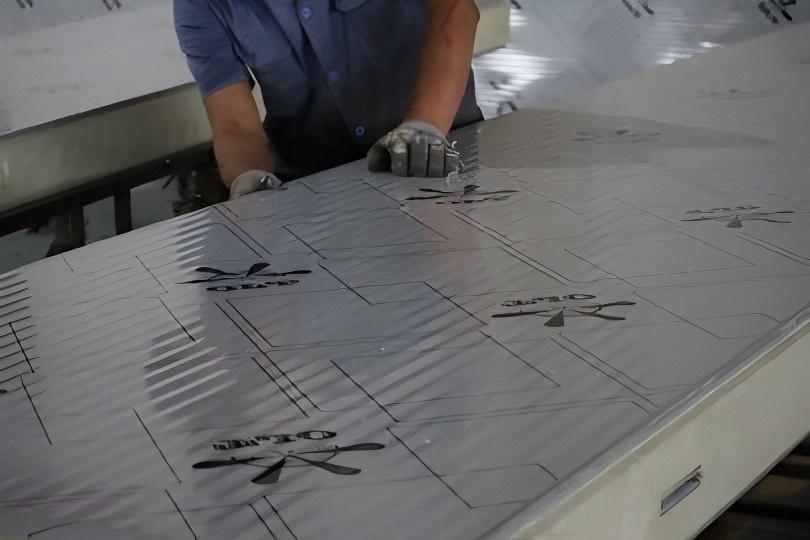
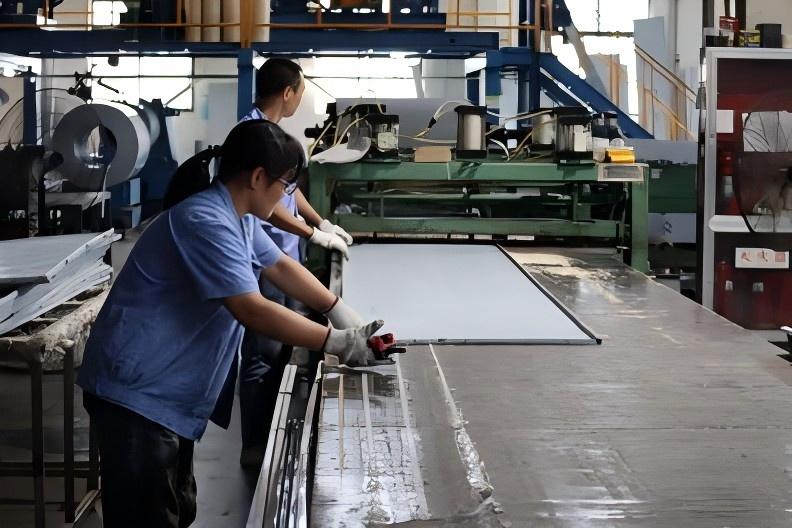
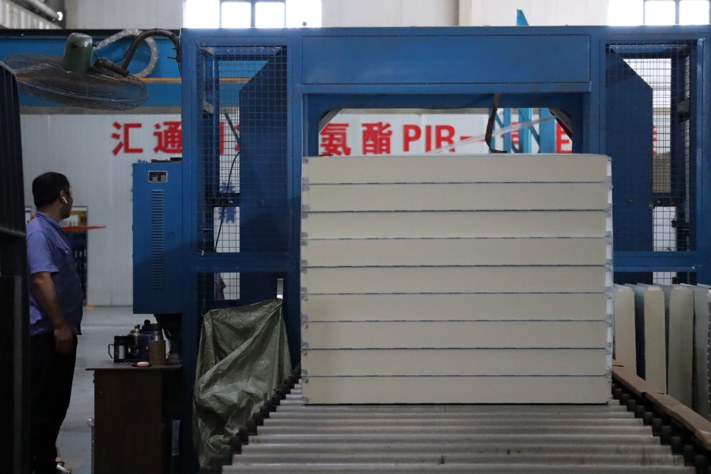
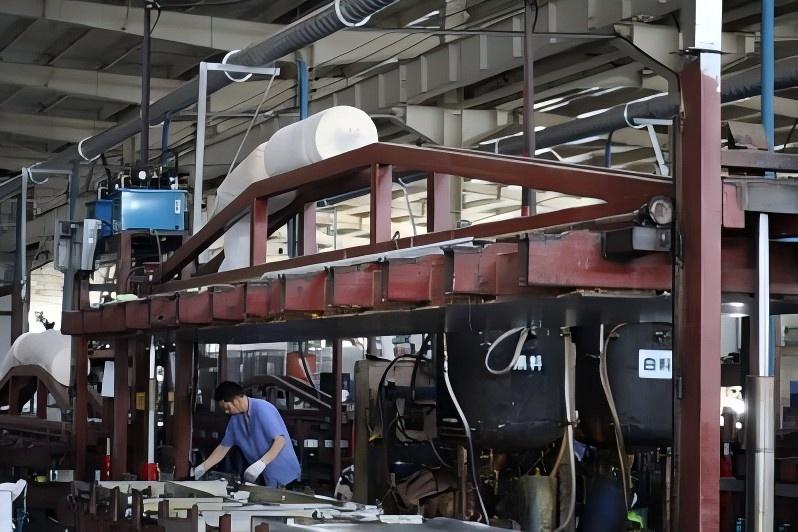
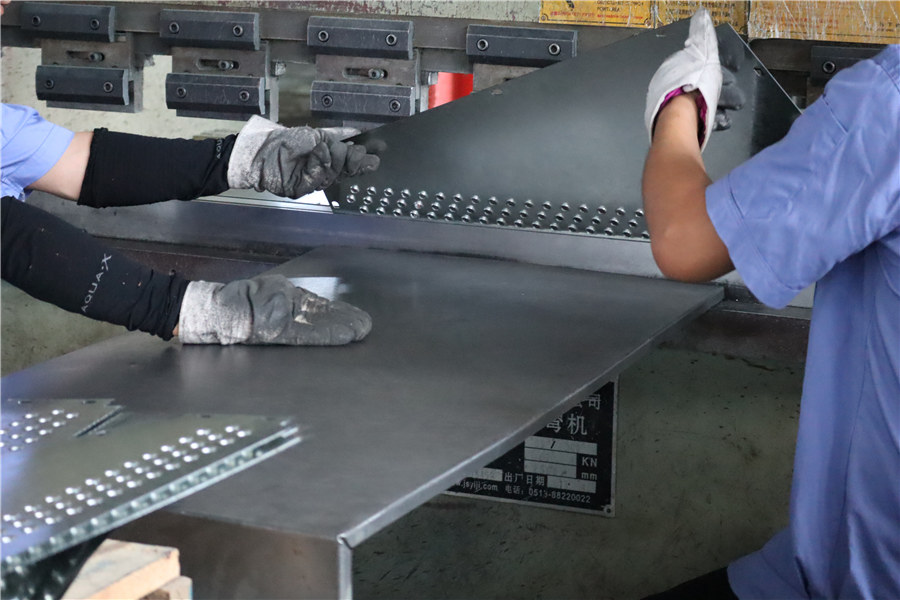
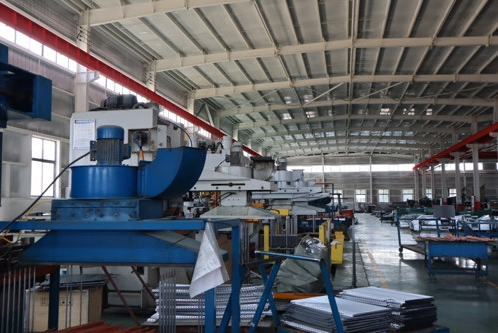
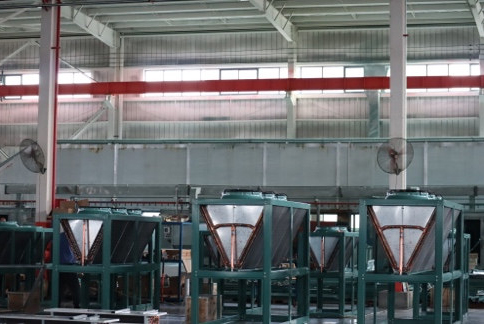
At Shaanxi YuanShengHeTong, quality control is integrated into every phase of production. Spanning a 60,000 square meter facility, our plant uses automated, continuously monitored production lines. This allows us to ensure uniform foam distribution, eliminate voids, and guarantee consistent core density ranging between 40 to 42 kg/m³. Below is a look inside our standardized fabrication and assembly departments.
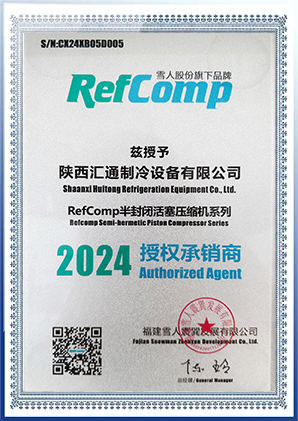
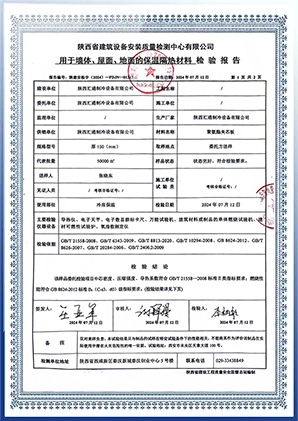
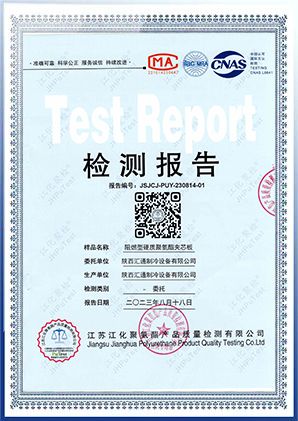
Building projects in Europe, North America, and other global regions require strict compliance with safety, health, and environmental standards. Our sandwich panels, cold storage doors, and refrigeration equipment hold full CE Certification, meeting all requirements of the European Union's Construction Products Regulation (CPR).
Our Quality Control team consists of 10 dedicated QA/QC professionals who carry out regular checks, including peel strength tests, density audits, fire response trials, and thermal stability checks. This rigorous process guarantees that every panel sent to our international clients matches our certified performance standards.
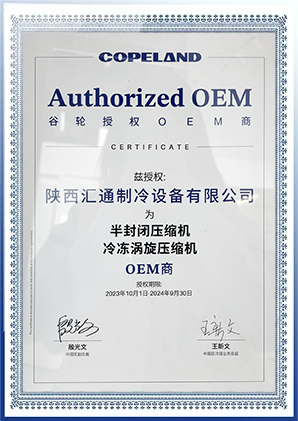
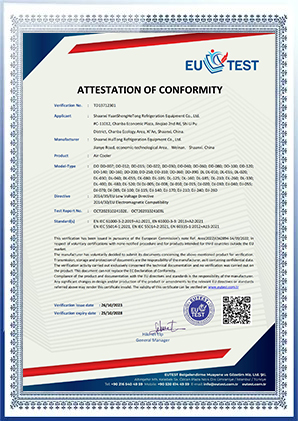
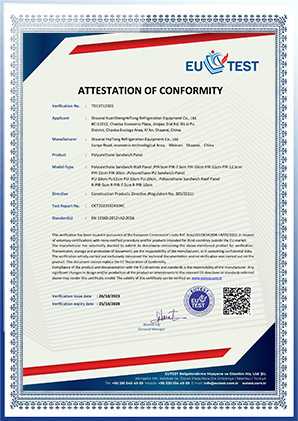
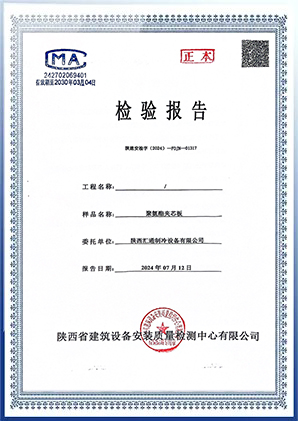
PIR/PUR sandwich wall panels play a vital role in large-scale modern engineering applications. By matching our panels with matching condenser units, evaporators, and insulated doors, we provide complete, integrated solutions for key industries worldwide:
High-turnover distribution centers require thick, durable thermal boundaries. Our sandwich panels resist thermal shock and withstand frequent pressure changes caused by door openings, keeping energy losses to a minimum.
Pharmaceutical storage demands precise temperature stability (typically 2°C to 8°C or -20°C). Our seamless, joint-locked panel designs prevent local temperature variations, protecting sensitive medicines from spoiling.
High-tech electronics and precision food processing rely on clean, dust-free spaces. With flush surface detailing, cleanroom-grade coatings, and airtight seals, our wall systems prevent dust build-up and simplify cleaning.
 YuanShengHeTong