Products Description
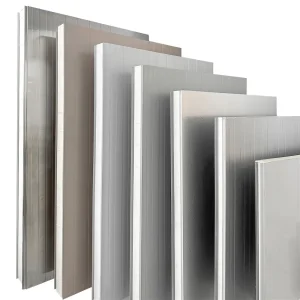
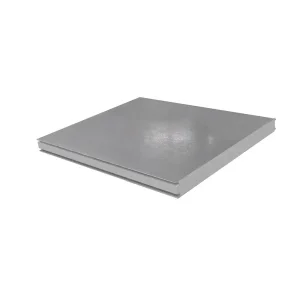
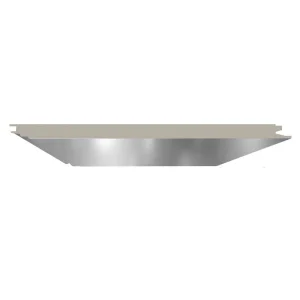
Our PIR or PUR Sandwich Roof Panel features high thermal insulation values, lightweight construction, moisture resistance, durability, energy efficiency, and easy installation. These panels have become a popular solution for a wide variety of applications, including industrial buildings, commercial complexes, agricultural structures, and cold storage facilities.
Product Details
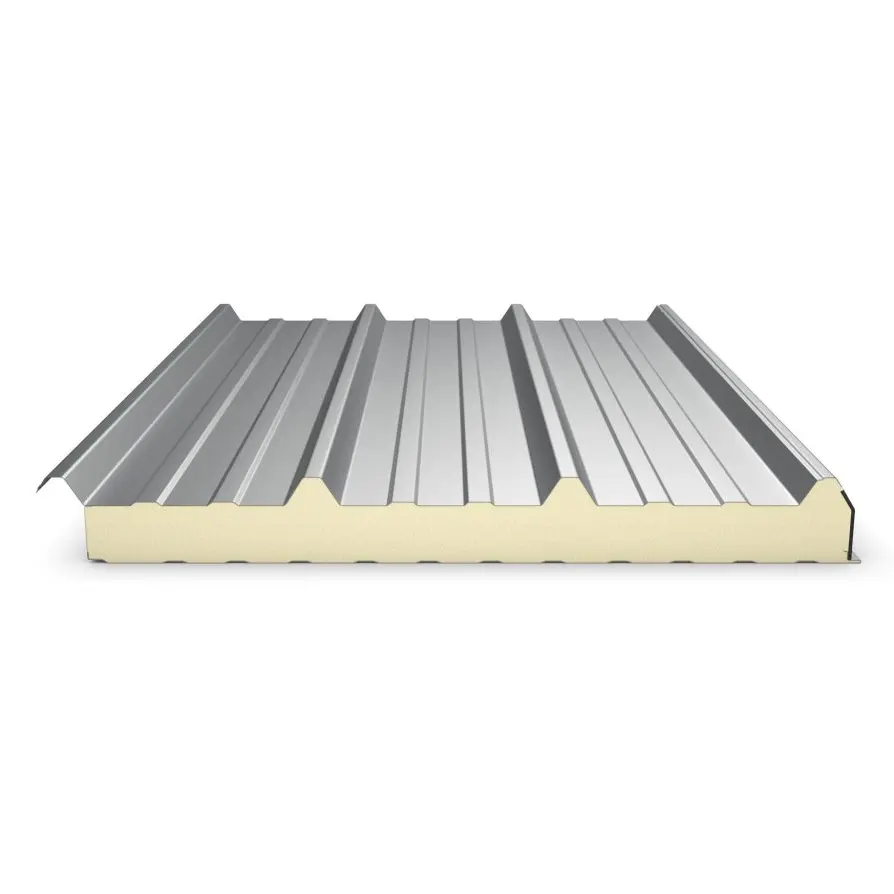
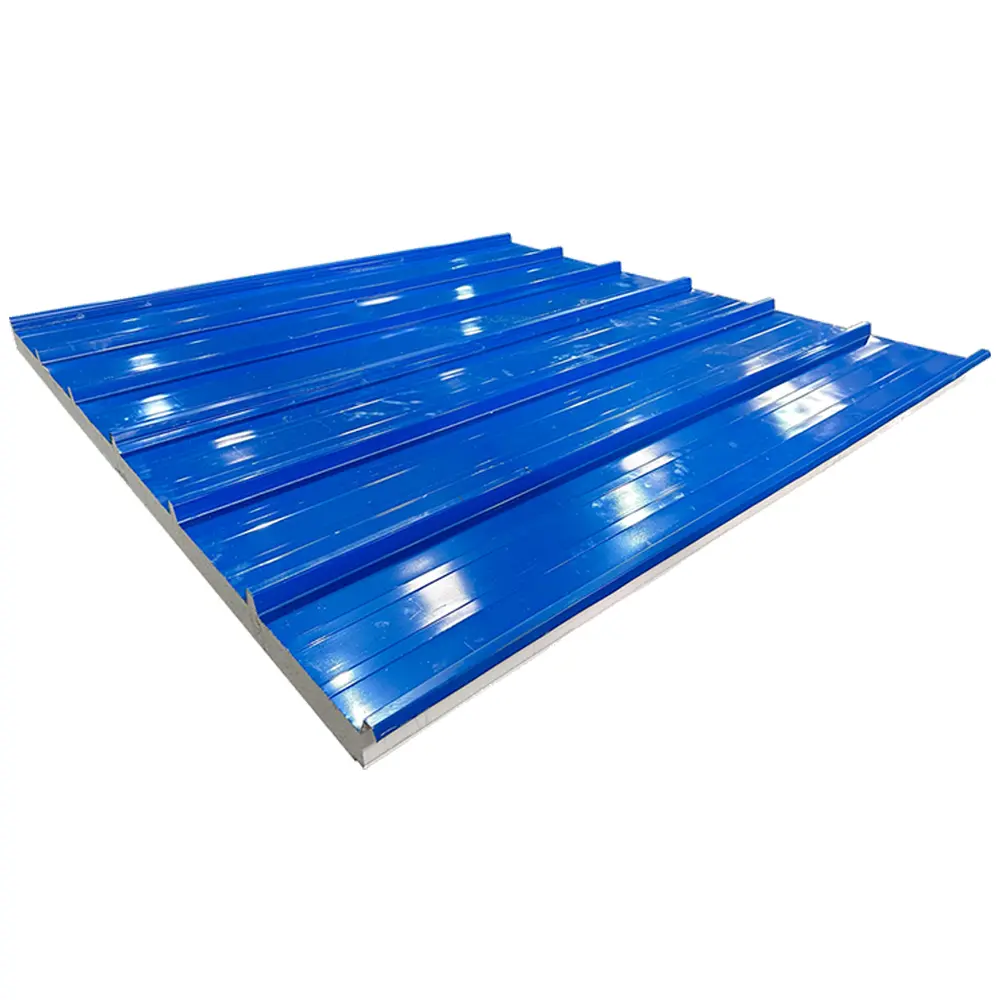
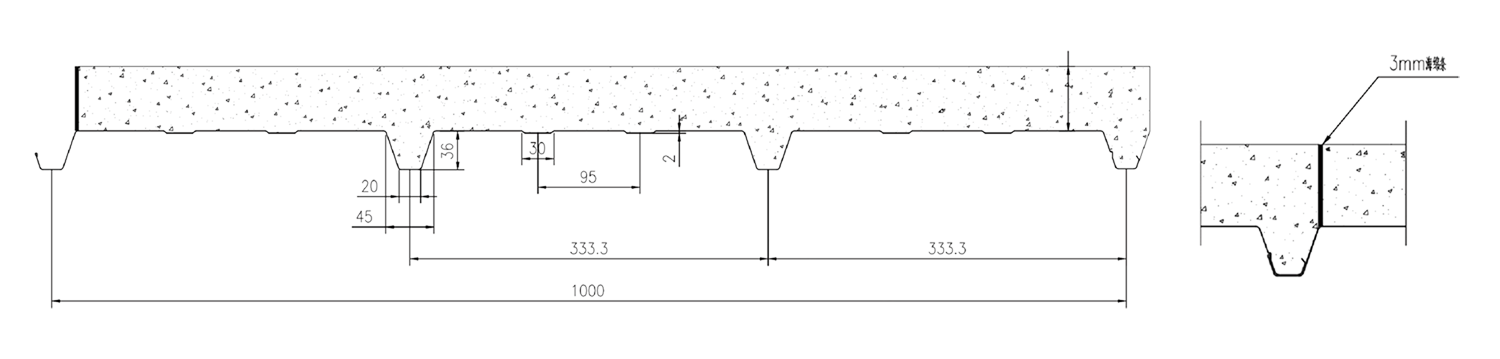
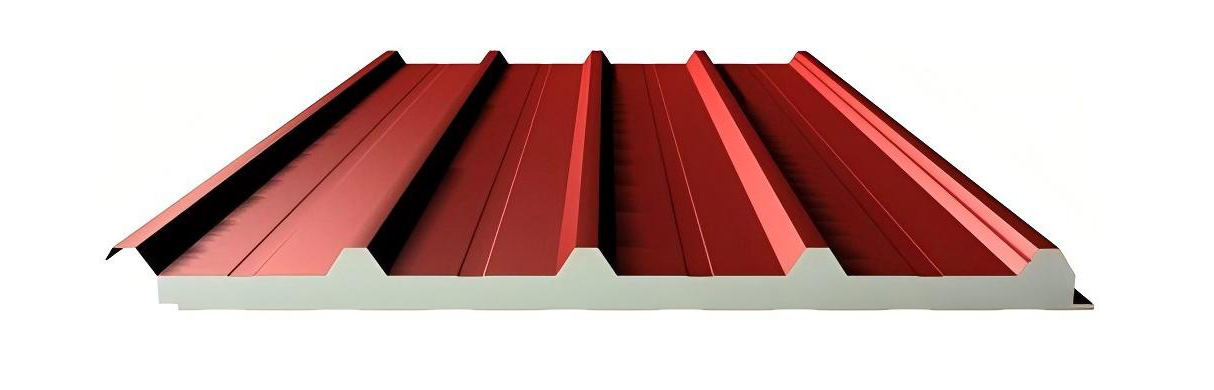
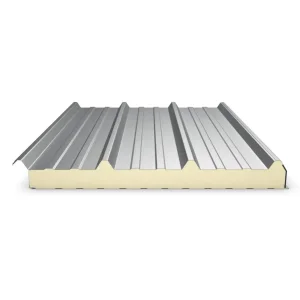
Our PIR/PUR roof panels adopt a three-wave crest design with a crest height of 36mm, which greatly improves the roof drainage effect and load-bearing capacity. It can effectively reduce construction costs while ensuring the thermal insulation effect of the building. The roof slope can be as low as 3%. With an exposed nail design, the nail fixing space is adjustable from 250mm to 1000mm.
| TECHNICAL PARAMETERS OF ROOF SANDWICH PANEL |
| mm |
mm |
m |
/ |
Kg/m³ |
/ |
Kg/㎡ |
W/[m·K] |
mm |
/ |
| 100 |
1000 |
1 – 18 |
PIR / PUR |
43±2 / 40±2 |
B1 / B2 |
12.5 / 11.8 |
≤0.022 / ≤0.024 |
0.3 – 0.8 |
Customized |
The Joint System
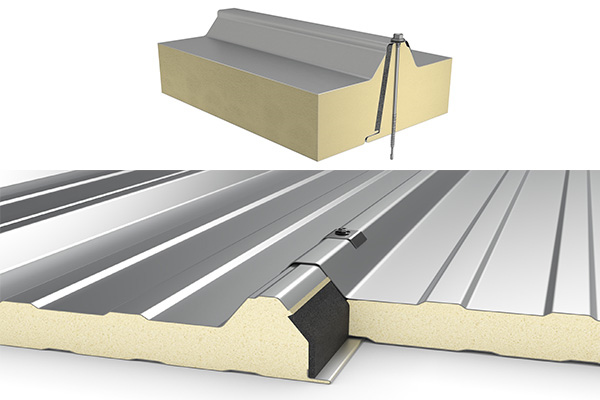
The exposed nail design with split joints in our sandwich roof panels is widely used in industrial, commercial, and agricultural buildings. Their ease of installation and low maintenance requirements make them a cost-effective option for modern construction projects, increasing both sustainability and efficiency.
Surface Material Options
Our PIR/PUR Sandwich Roof Panels offer multiple customizable surface steel materials and color choices such as PPGI, Stainless Steel, and embossed aluminum. Their durability, moisture resistance, and chemical resistance further enhance their appeal for diverse environments.
PPGI (Prepainted Galvanized Iron)
PPGI features a galvanized steel base coated with a layer of paint for excellent corrosion resistance. It is lightweight and available in a variety of colors and finishes for aesthetic customization. It offers a long service life with minimal maintenance requirements.
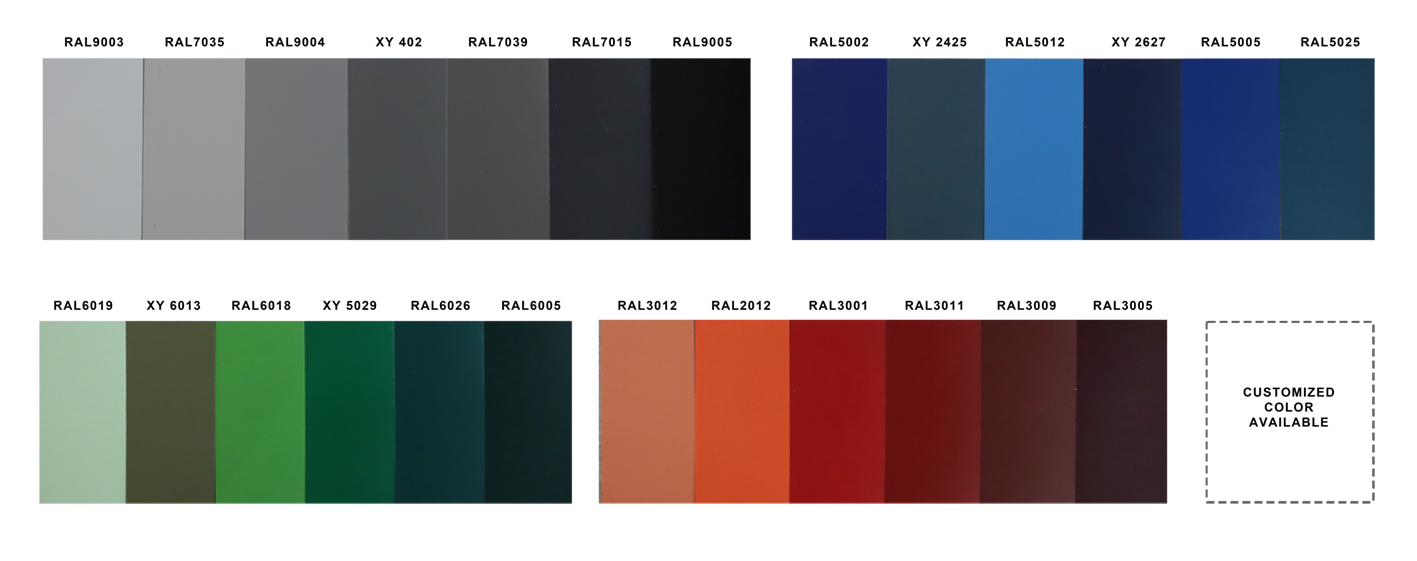
Typical Color (PPGI)
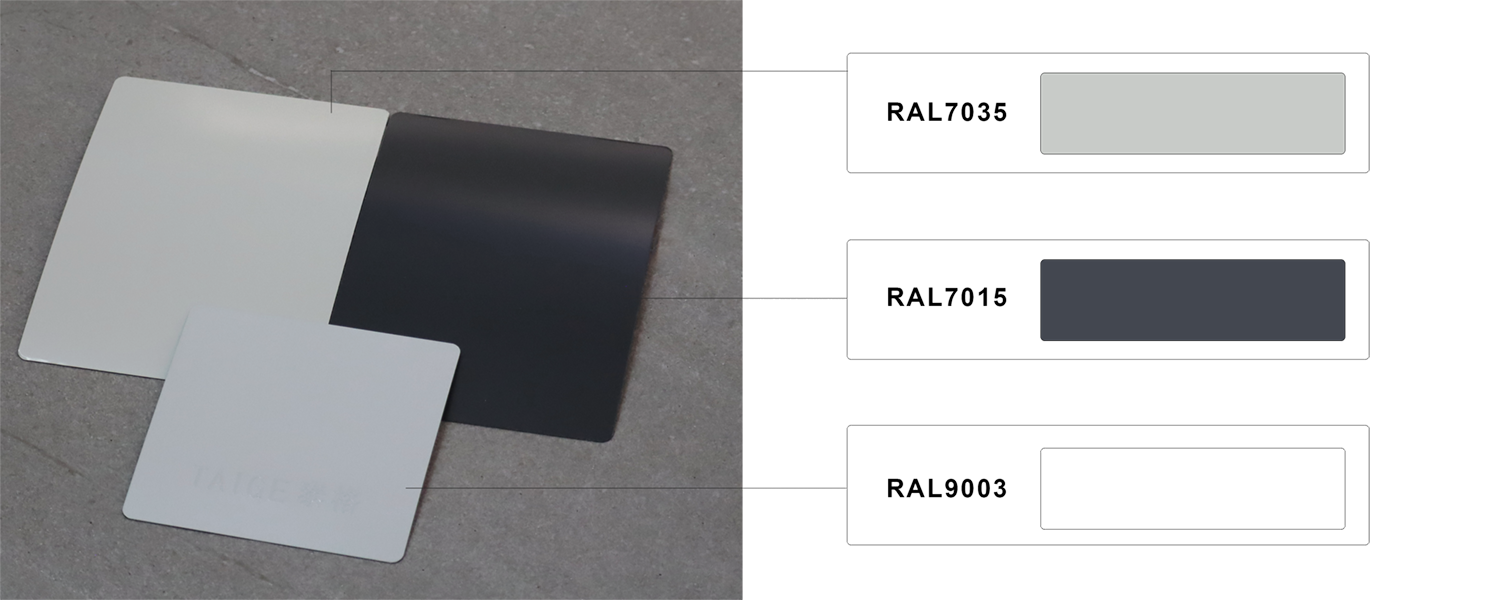
More Colors: We provide customized color services to match your specific architectural requirements.
Specialty Surface Materials
For specific functions, other surface materials can be customized, including Stainless Steel (SUS304 / SUS201), Aluminum, or specialized alloys.
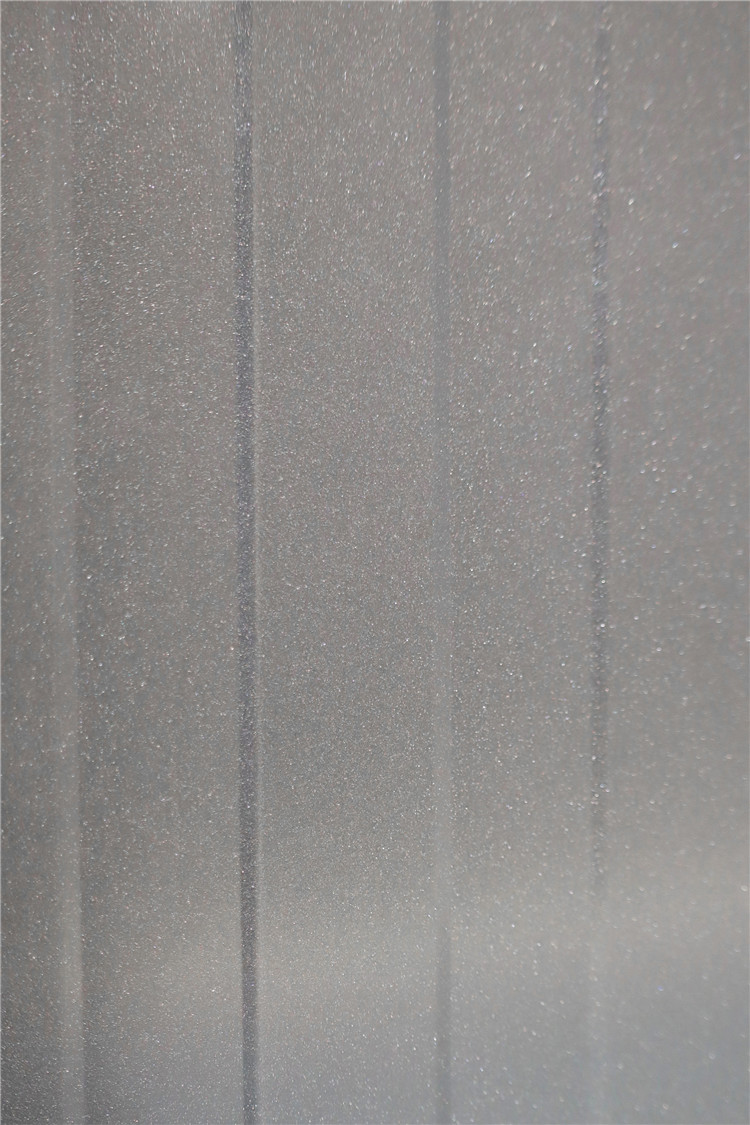
Ti-Mg-Zn-Al Alloy
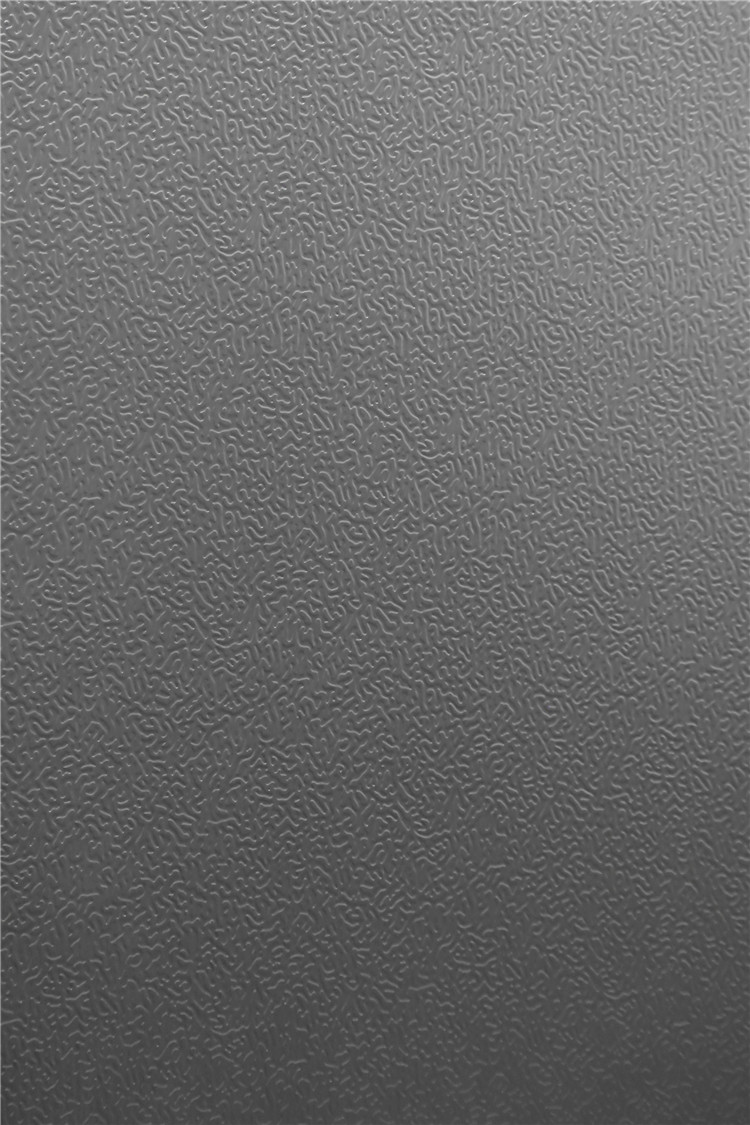
Embossed Aluminum
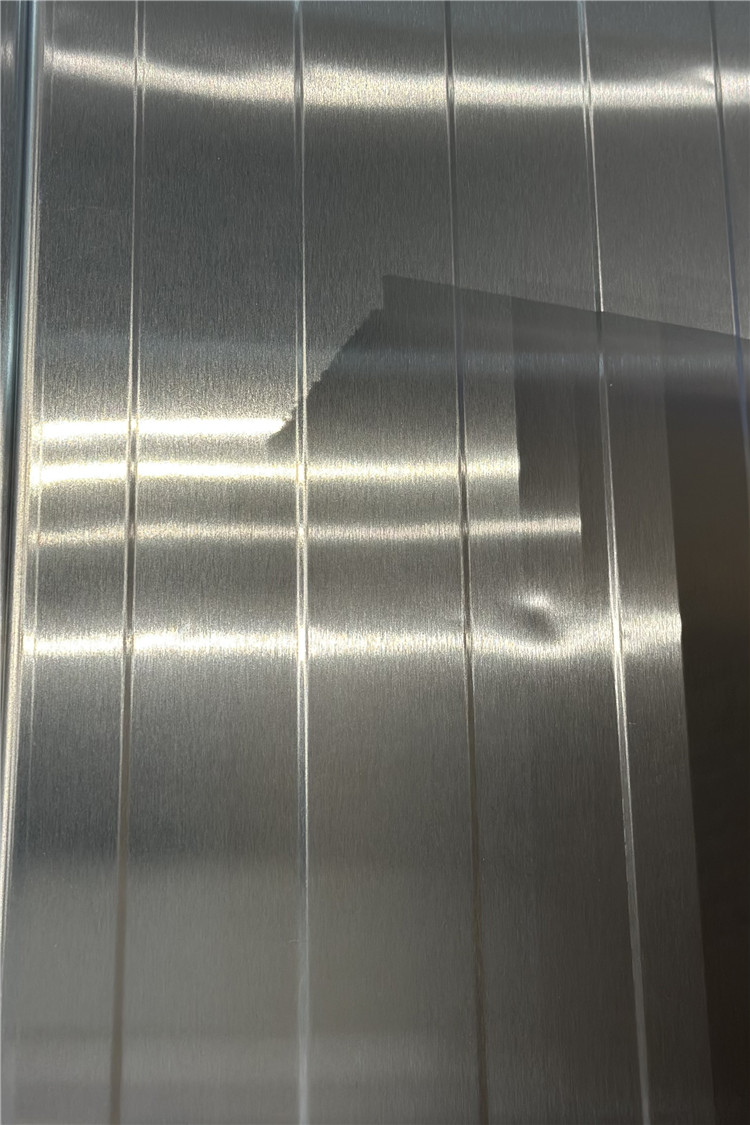
Stainless Steel (SUS304)
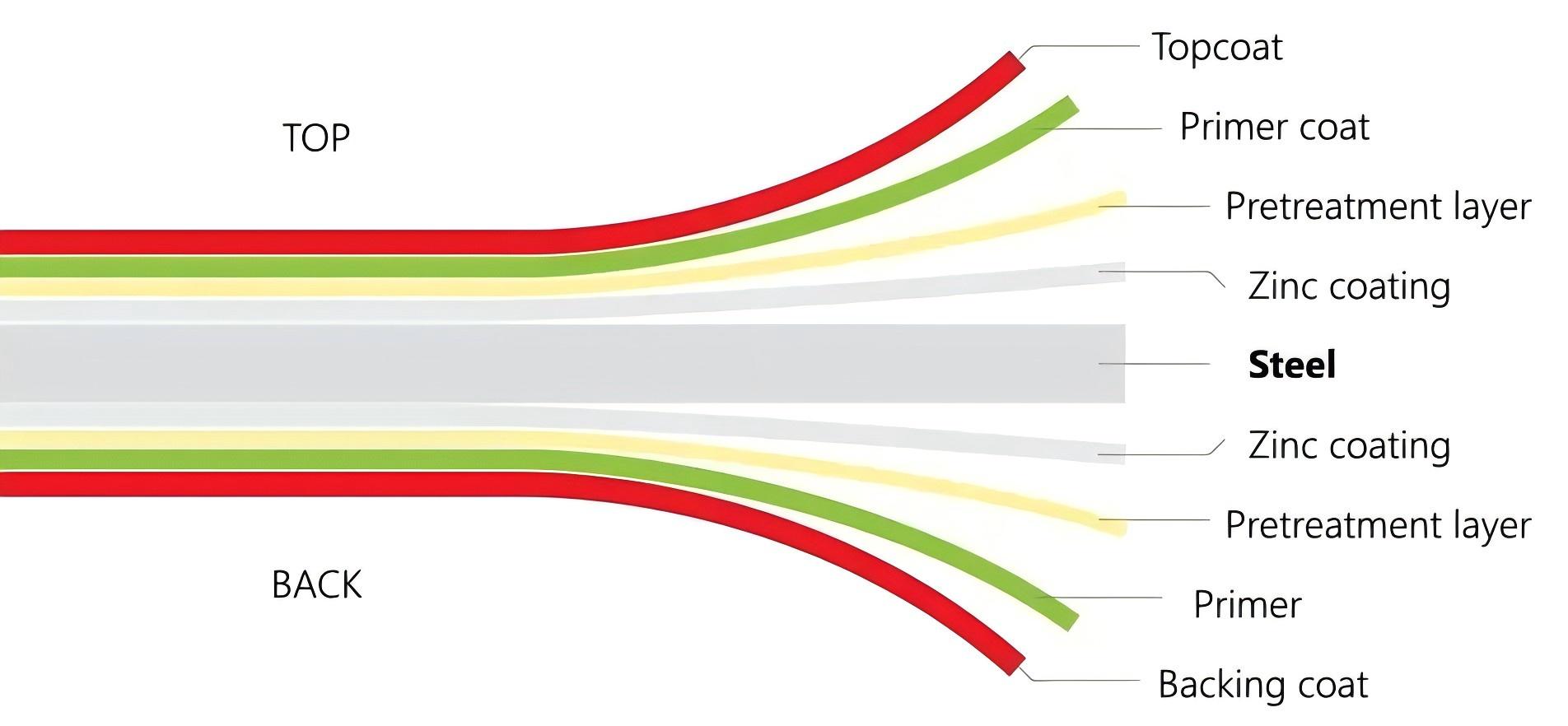
Advanced Protective Coatings
- PVDF (Polyvinylidene Fluoride): Exceptional resistance to UV radiation and weathering; ideal for outdoor architectural projects.
- HDP (High-Durability Polyester): Superior scratch resistance and durability for high-traffic or industrial environments.
- EP (Epoxy Polyester): Excellent adhesion and chemical resistance, perfect for indoor applications with chemical exposure.
Key Benefits of PIR/PUR Panels
- High Thermal Insulation: Low thermal conductivity (approx. 0.022–0.025 W/m·K) minimizes heat transfer.
- Lightweight: Simplifies handling and reduces the overall structural load on the building.
- Moisture Resistant: Closed-cell structure prevents mold, mildew, and moisture absorption.
- Durability: Resistant to chemicals, UV radiation, and physical impacts for a long service life.
PUR/PIR sandwich roofing panels are an essential choice for modern construction. Their unique construction enables efficient temperature control across industrial, commercial, and agricultural sectors. Investing in these panels optimizes operating costs and minimizes environmental impact while ensuring structural integrity.
Frequently Asked Questions
QWhat is the difference between PIR and PUR sandwich roof panels?
PIR (Polyisocyanurate) offers higher fire resistance (B1) and higher density, while PUR (Polyurethane) provides a slightly lower heat transfer coefficient. PIR is typically preferred for projects with strict fire safety regulations.
QWhat is the minimum roof slope allowed?
Due to the high-crest three-wave design (36mm), these panels can be installed on roofs with a slope as low as 3%, ensuring efficient water drainage.
QCan the panel length be customized for large projects?
Yes, panel lengths are fully customizable from 1 meter up to 18 meters to meet specific project requirements and reduce joints.
QWhat surface coatings are recommended for harsh environments?
For harsh environments, we recommend PVDF coatings for high UV exposure or HDP/EP coatings for industrial areas requiring chemical and scratch resistance.
QHow does the weight of these panels affect installation?
The panels are lightweight (as low as 11.8 kg/m²), which significantly reduces installation time, labor costs, and the required strength of the supporting steel structure.
QAre there custom color options available?
Yes, we offer a wide range of standard PPGI colors and a bespoke color-matching service to ensure the panels fit your brand or architectural design perfectly.
 YuanShengHeTong