 YuanShengHeTong
1 / 3
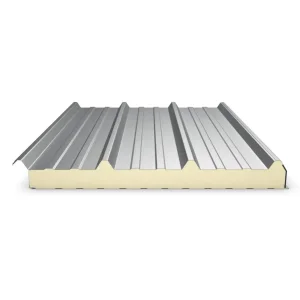
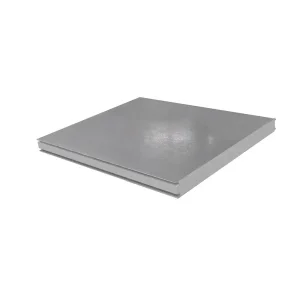
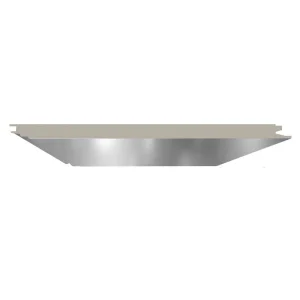
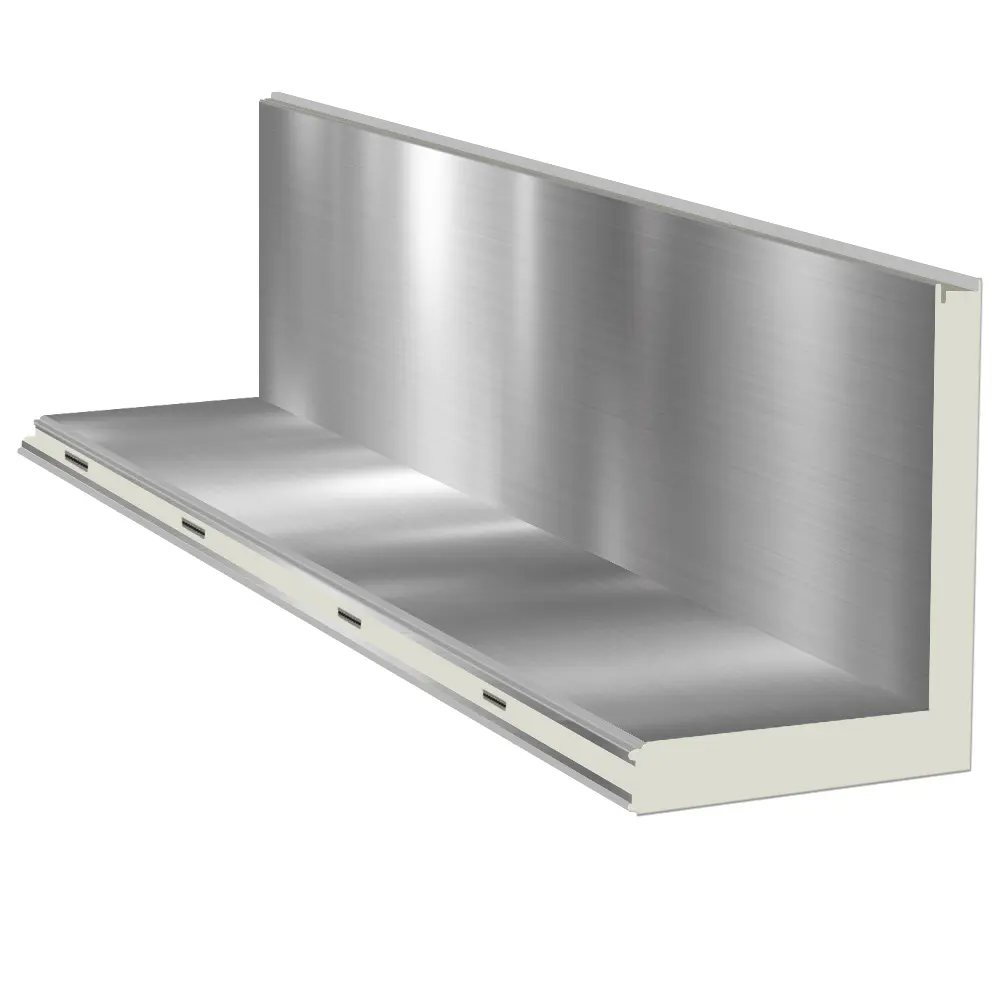
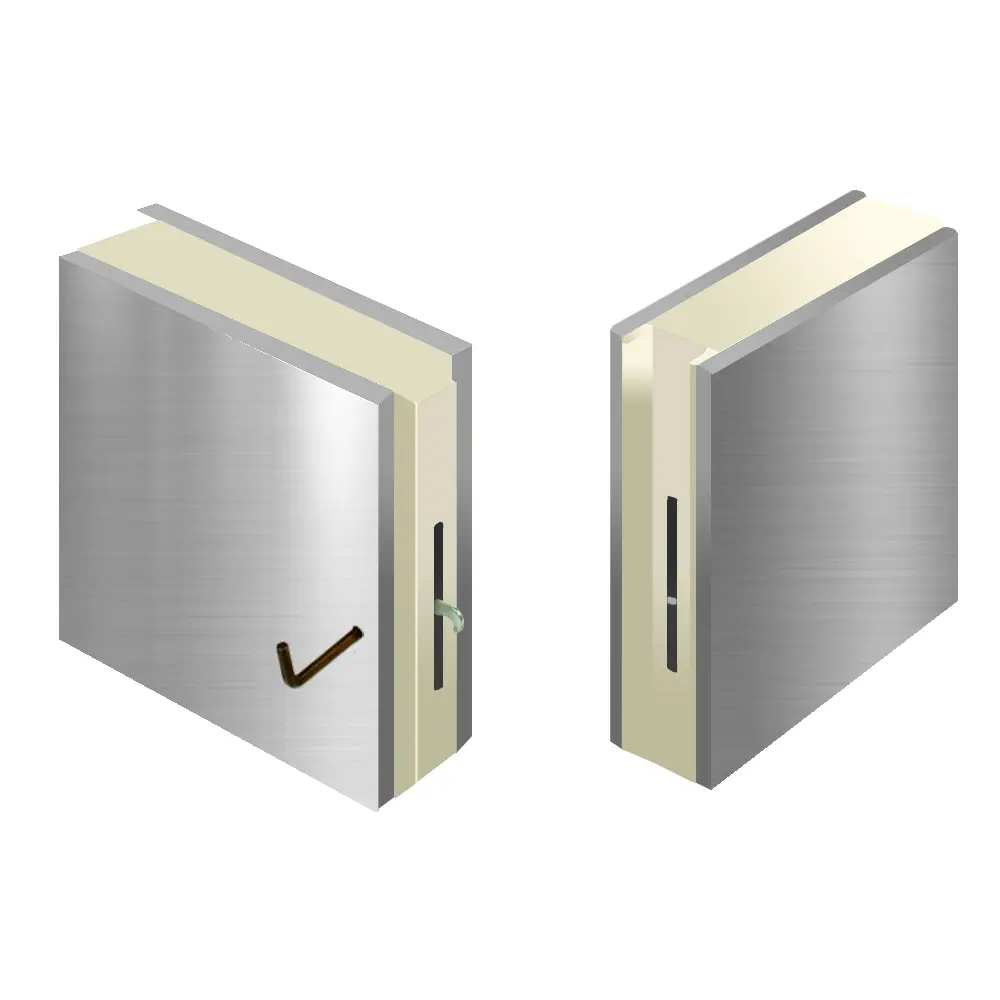
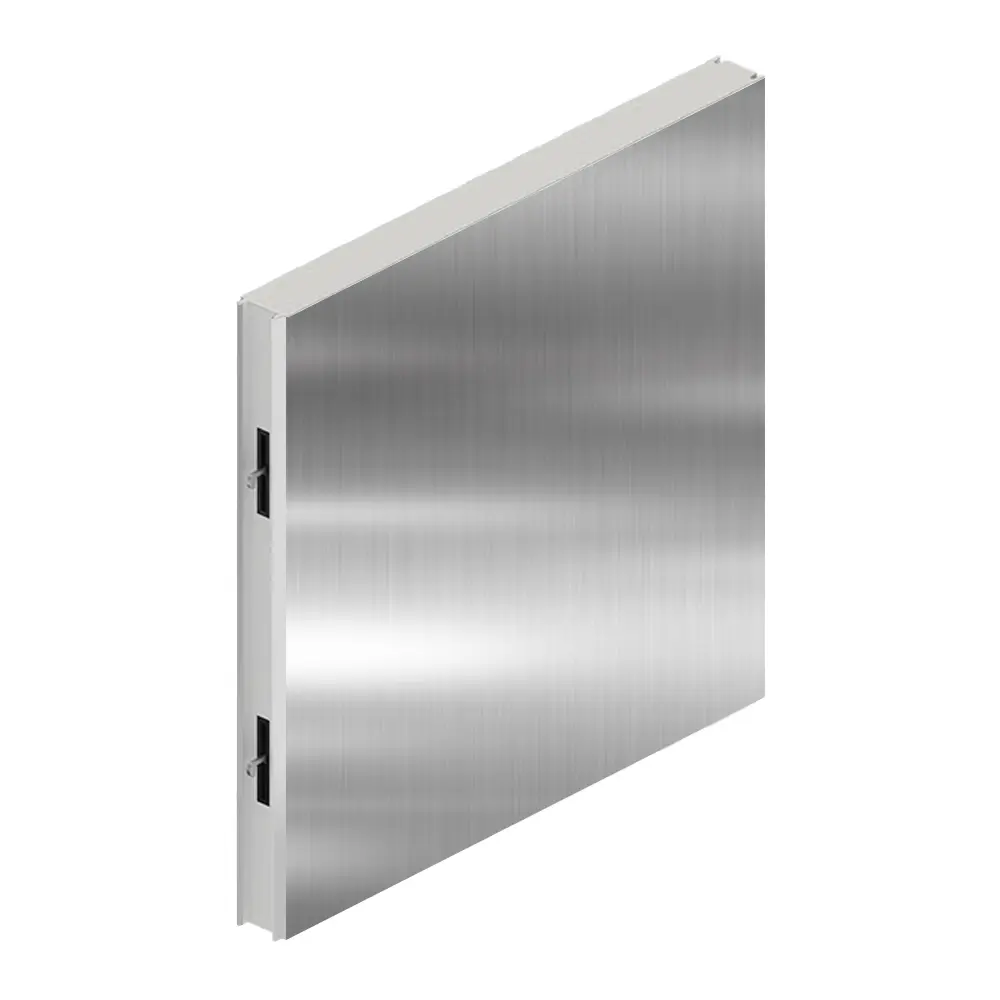
Polyurethane cam lock sandwich panels consist of a core made of polyurethane foam, sandwiched between two outer layers, which are typically made from sheet metal such as galvanized steel or aluminum. Panels are available in a variety of thicknesses, typically 100mm to 200mm, depending on specific insulation requirements.
| THICKNESS (mm) | Effective Width (mm) | Length (m) | Density (Kg/m³) | Fire Resistance | Weight (Kg/㎡) | Heat Transfer (Ud,s) | Surface (mm) |
|---|---|---|---|---|---|---|---|
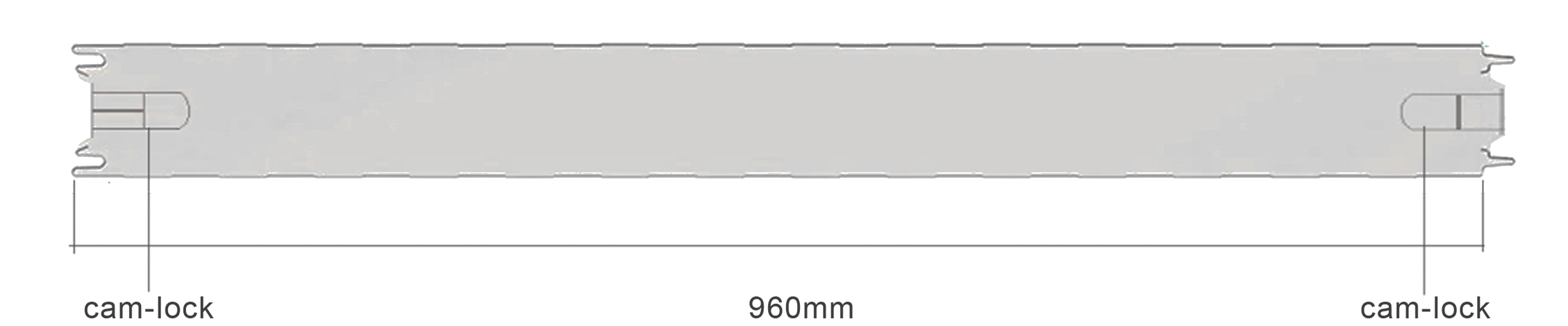
| 100 | 920 / 960 / 1000 | 10m Max | 40±2 (Customizable) | B2 Grade | 11.8 | ≤0.024 W/[m·K] | 0.3–0.8 |
| 120 | 12.7 | ||||||
| 150 | 13.9 | ||||||
| 200 | 16.1 |
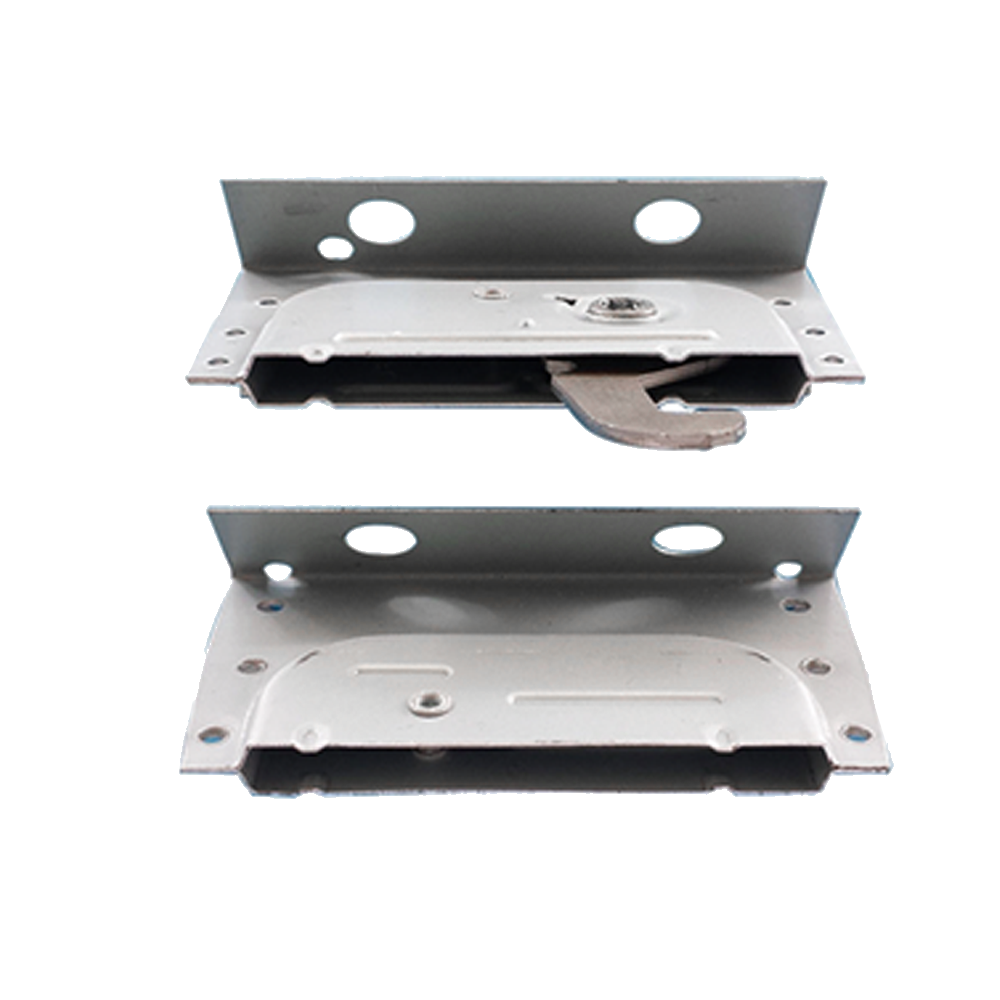
The cam-lock design with split joint of the cam-lock sandwich panels are widely used in industrial, commercial, and agricultural buildings, including warehouses, cold storage facilities and manufacturing plants.
Their ease of installation and low maintenance requirements make them a cost-effective option for modern construction projects, helping to increase sustainability and efficiency.
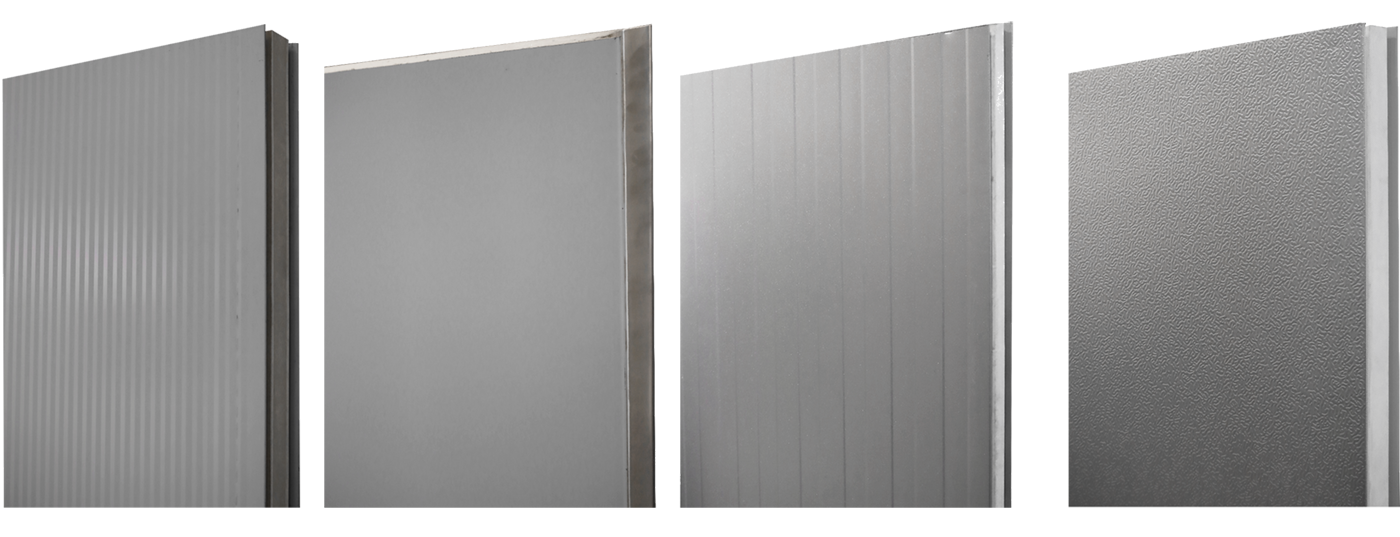
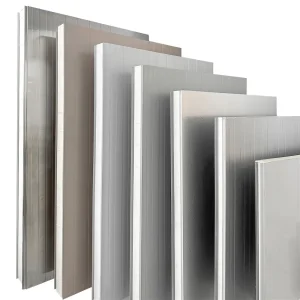
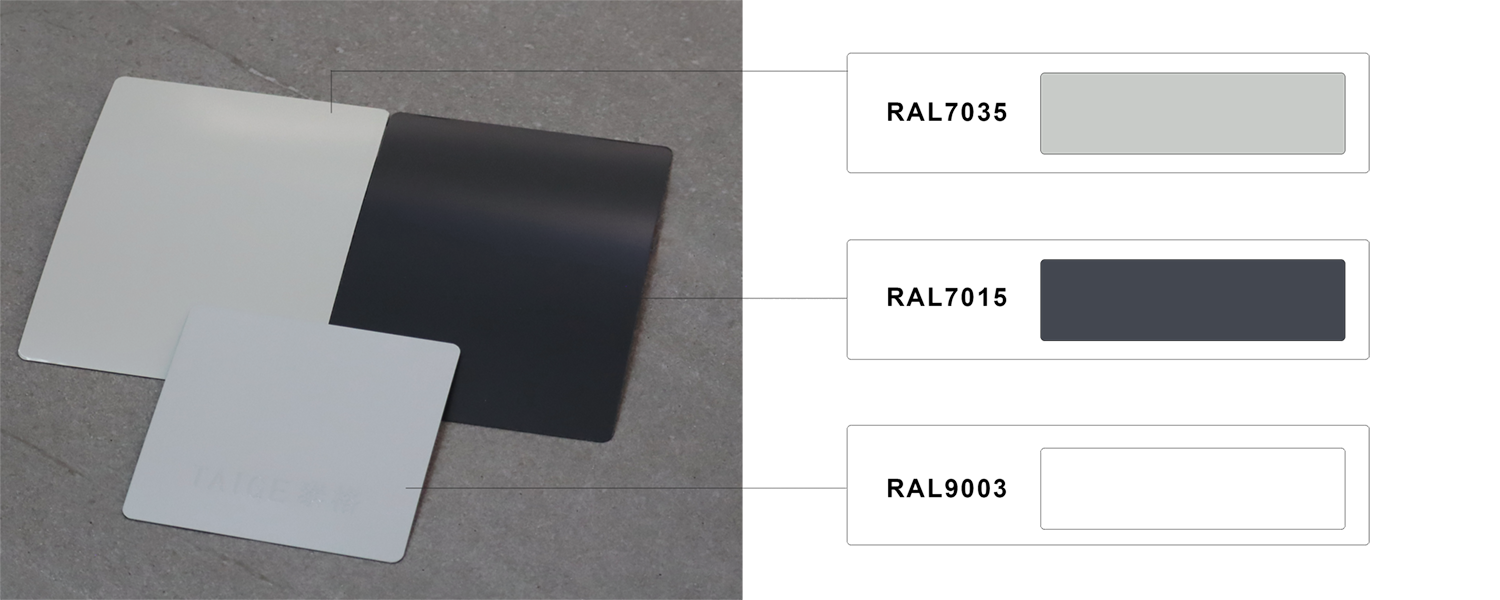
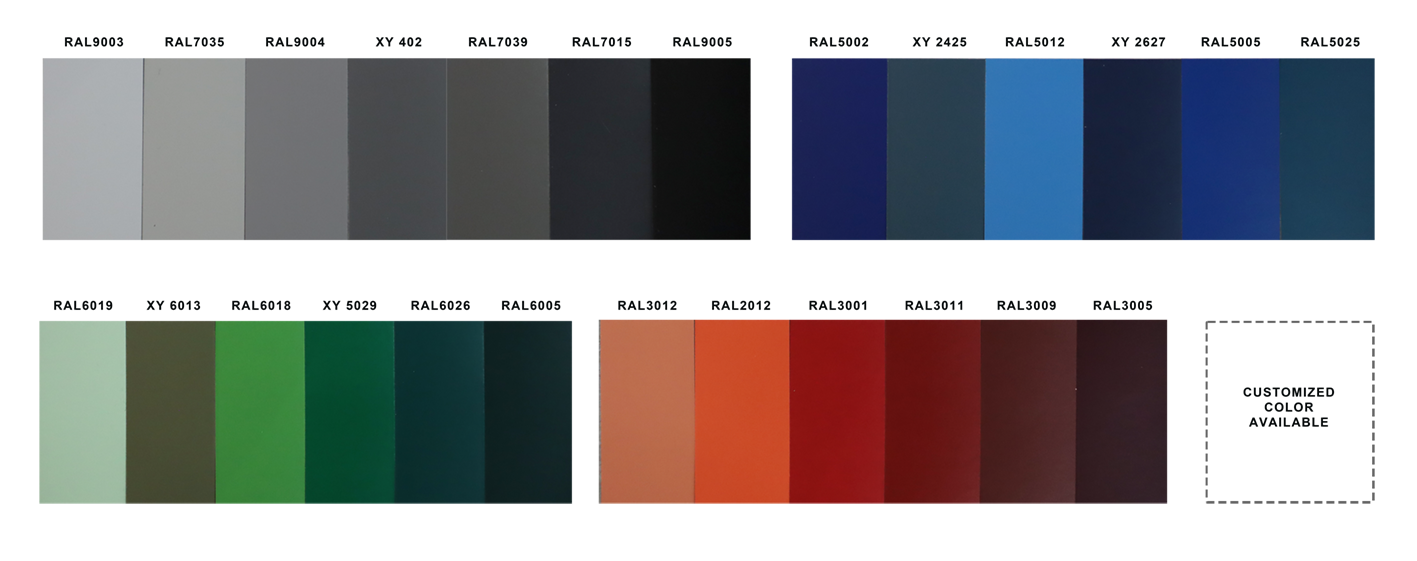
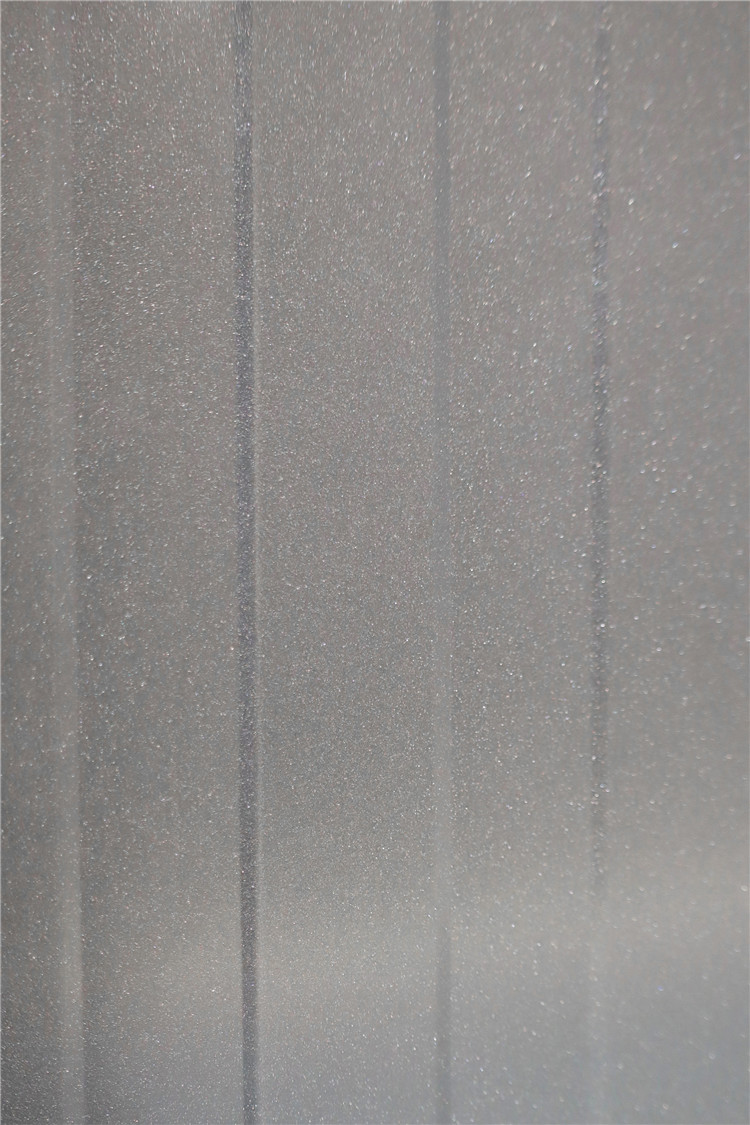
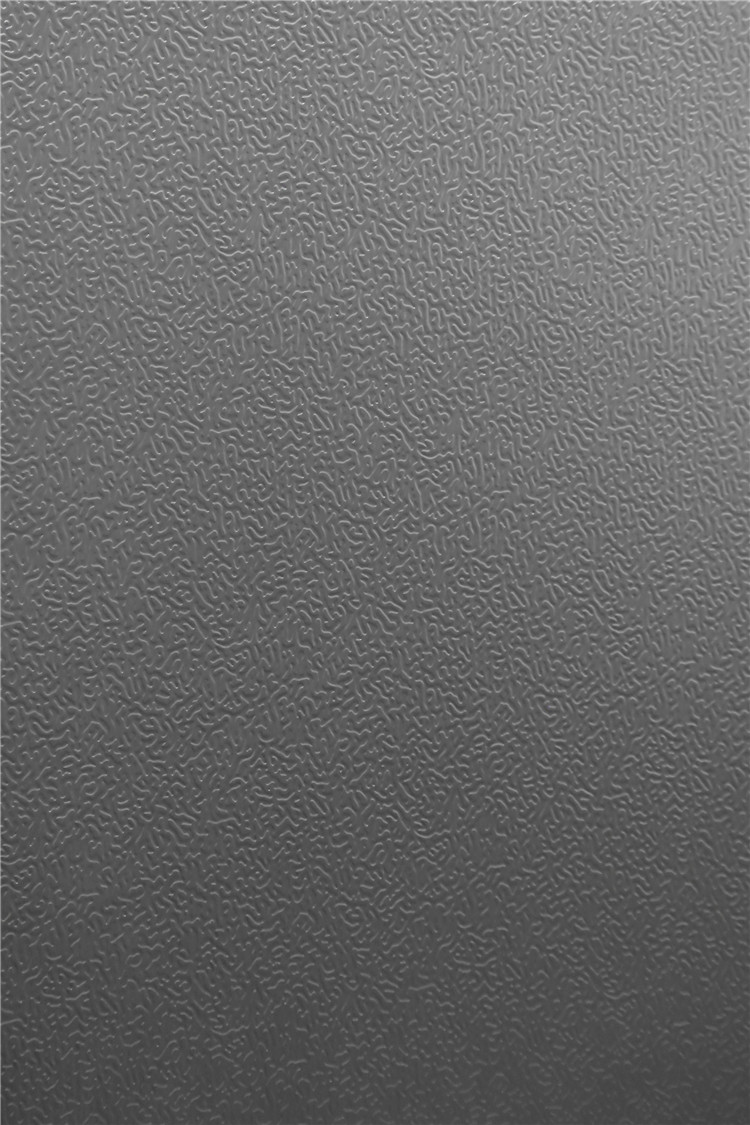
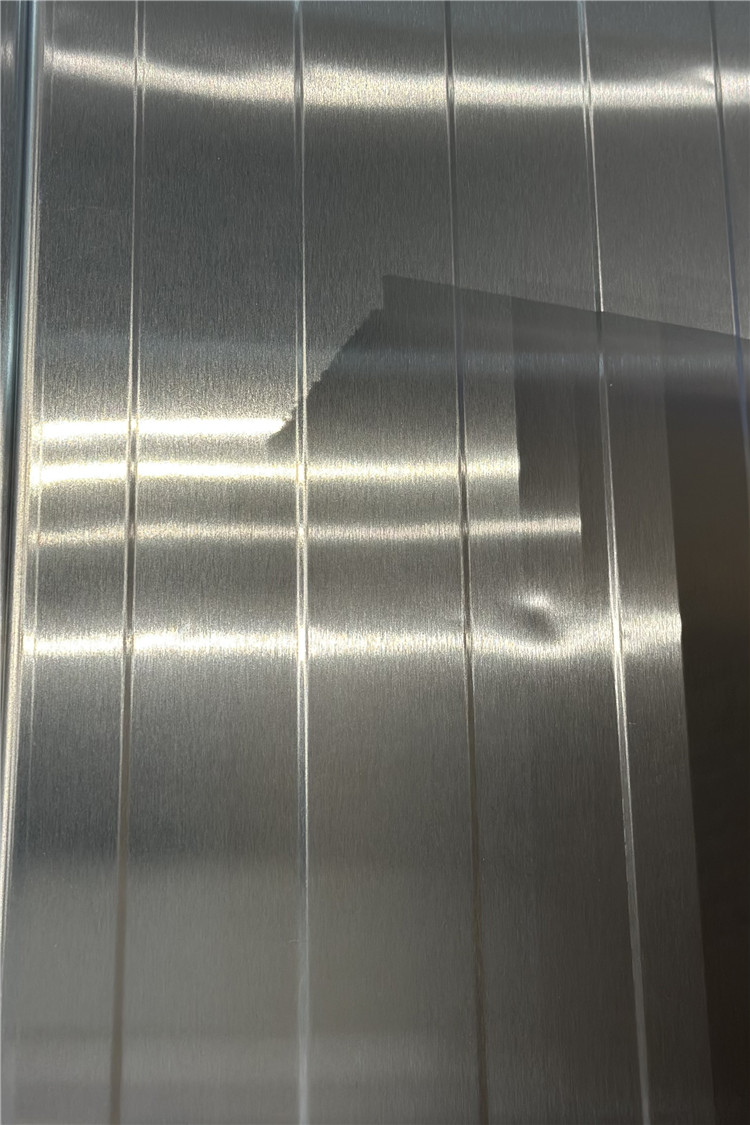
Our PUR Cam Lock Sandwich Panel have multiple customizable surface steel material and color choices such as PPGI, Stainless steel, embossed aluminum etc. Their durability, moisture resistance and chemical resistance further enhance their appeal.
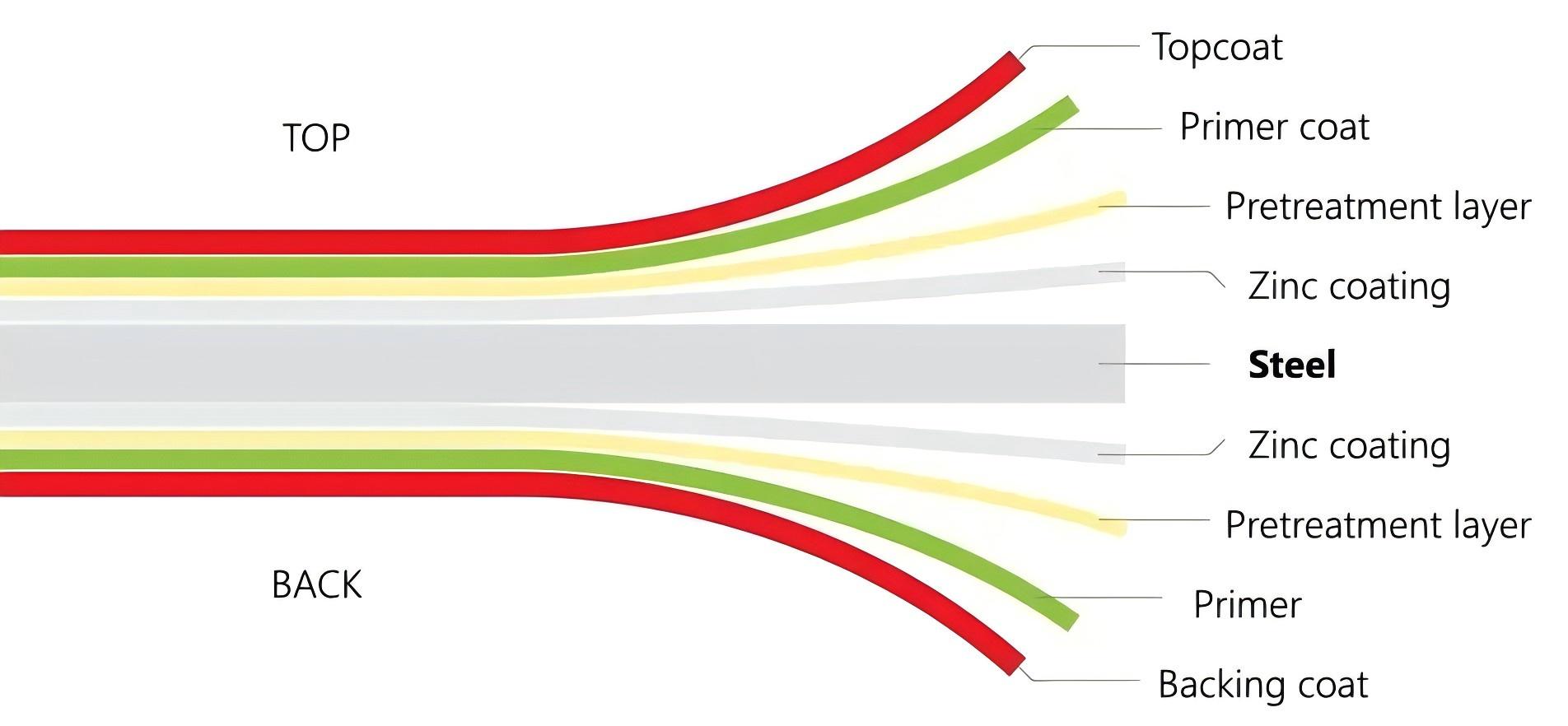
PPGI features a galvanized steel base coated with paint for excellent corrosion resistance. It is lightweight, available in various colors, and environmentally friendly with a long service life.
Thermal conductivity coefficient (λ) of 0.023–0.025 W/m·K minimizes heat transfer and maintains stable temperatures.
Ensures fast, secure connections with tight seals that minimize air leakage and enhance efficiency.
Strong yet easy to handle, reducing the overall structural load and installation complexity.
Closed-cell structure prevents moisture absorption and mold growth, essential for refrigerated environments.