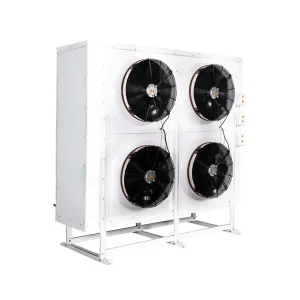
Products Description
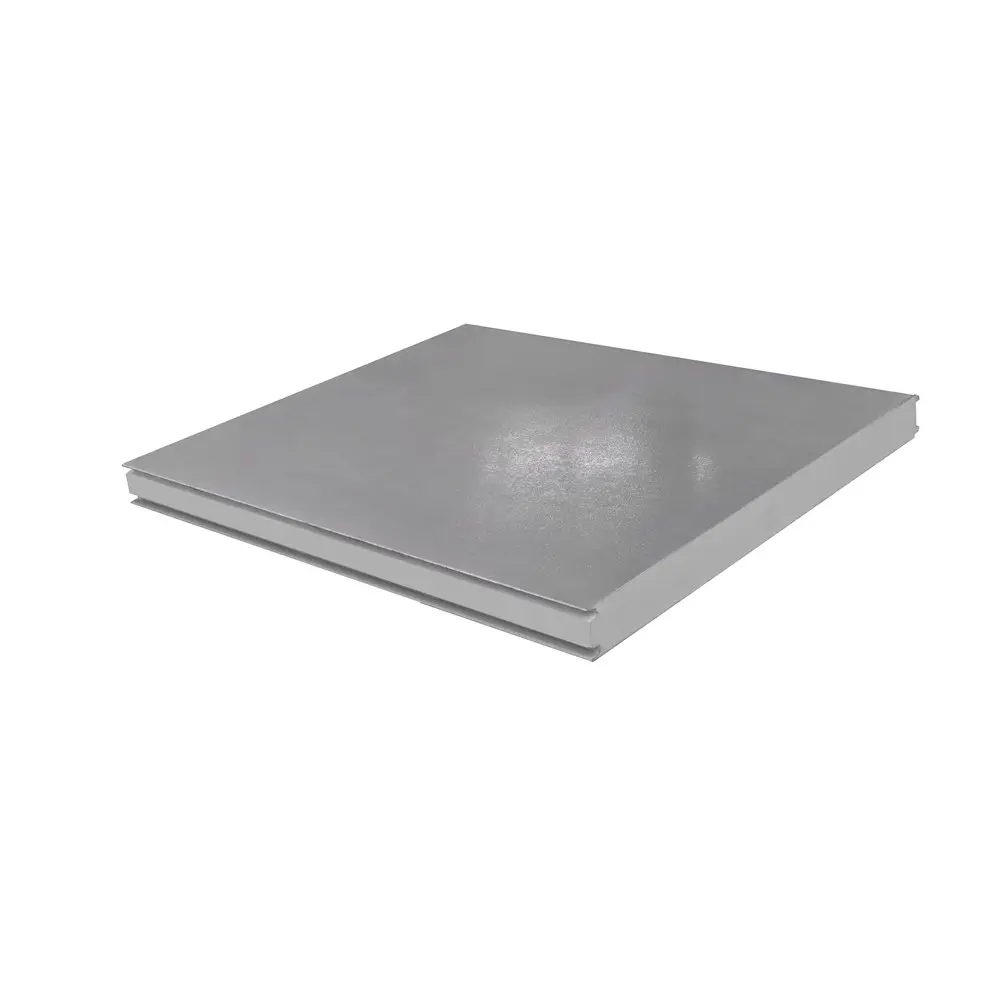
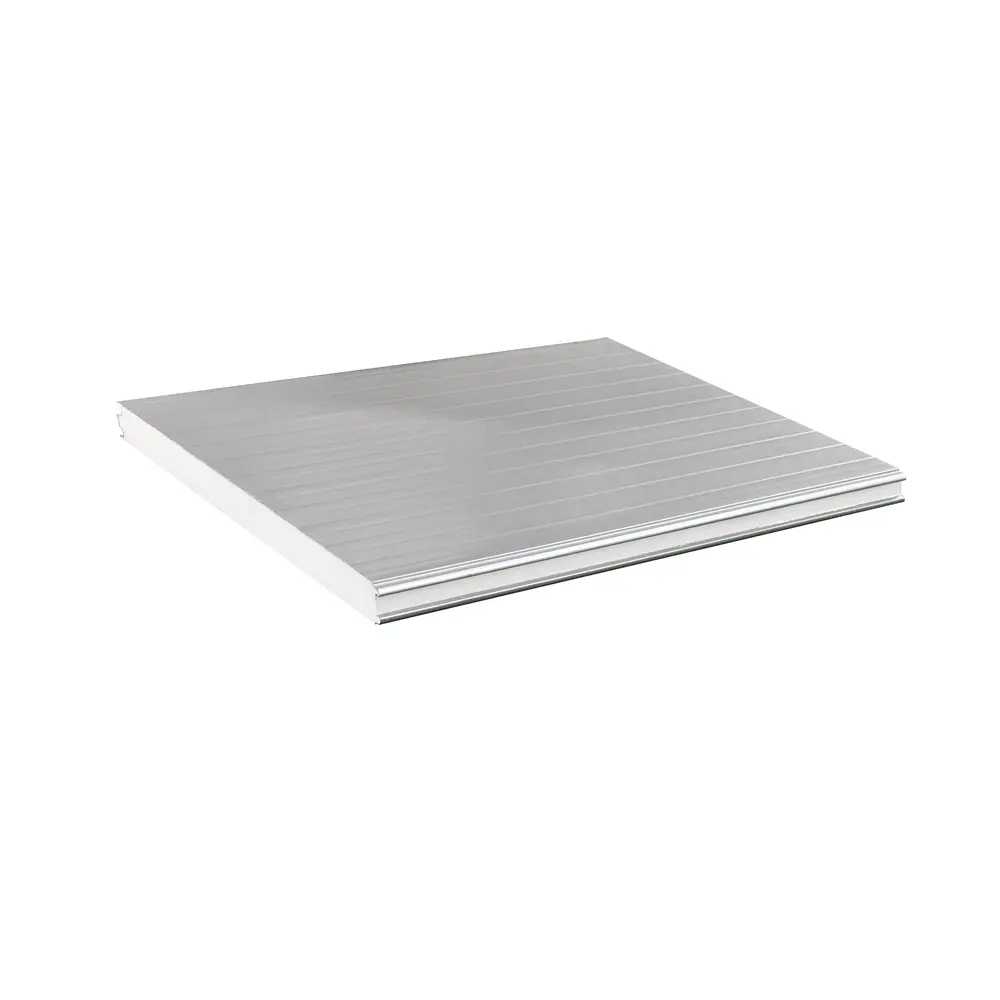
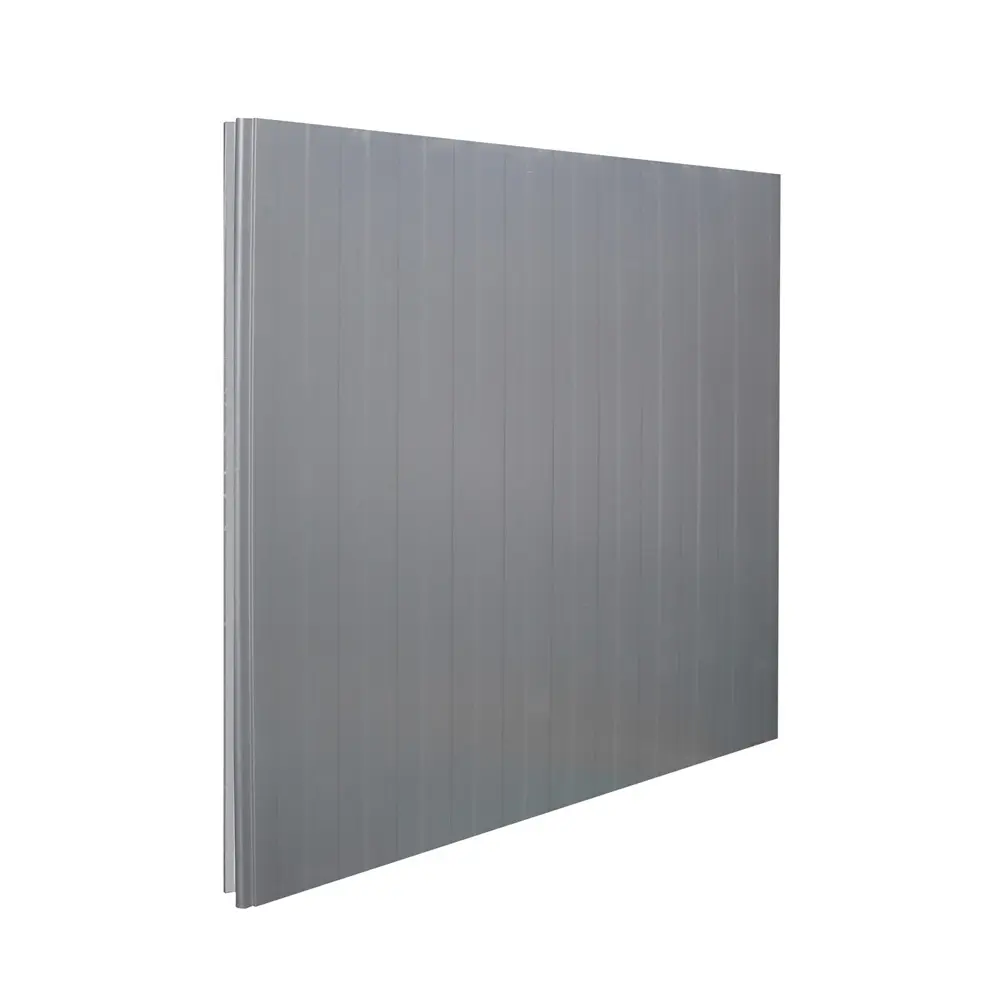
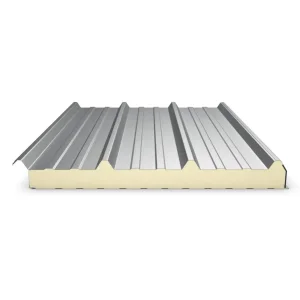
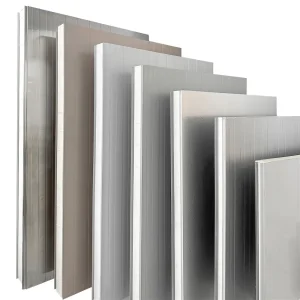
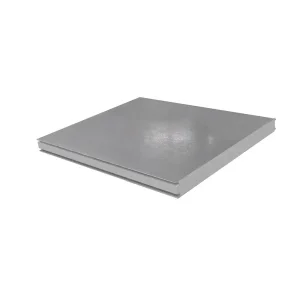
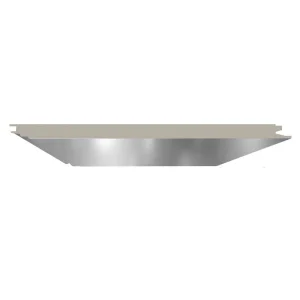
Polyisocyanurate (PIR) sandwich panels are at the forefront of modern insulation technology, delivering unparalleled thermal performance and energy efficiency. As an efficient performance, easy installation, high quality and environment friendly material, PIR Sandwich Panel is now widely used in cold storage, industrial buildings, food markets, hotels, logistic centers, food industry facilities, agricultural and medicine warehouses, etc.
Product Details
PIR (Polyisocyanurate Foam) is polyurethane modified polyisocyanurate. It is a foam plastic obtained by polyurethane modification of a kind of foam called polyisocyanurate. Its performance is quite different from polyurethane. Compared with PUR sandwich panels, PIR has lower thermal conductivity and better fire resistance.
Our PIR Sandwich panel has the thickness choice from 50mm to 200mm, and can be customized in length and surface steel finish to meet specific project requirements.
| TECHNICAL PARAMETERS OF POLYISOCYANURATE CORE SANDWICH PANEL |
| THICKNESS (mm) |
Effective Width (mm) |
Length (m) |
Density (Kg/m³) |
Fire Resistance |
Weight (Kg/㎡) |
Heat Transfer Coefficient (W/[m x K]) |
Surface Thickness (mm) |
Surface Material |
| 50 |
1120 |
1-18 |
43±2 |
B-s1, d0 |
10.5 |
≤0.022 |
0.3 – 0.8 |
Customized |
| 75 | 11.6 |
| 100 | 12.2 |
| 120 | 13.2 |
| 125 | 13.8 |
| 150 | 14.5 |
| 200 | 16.6 |
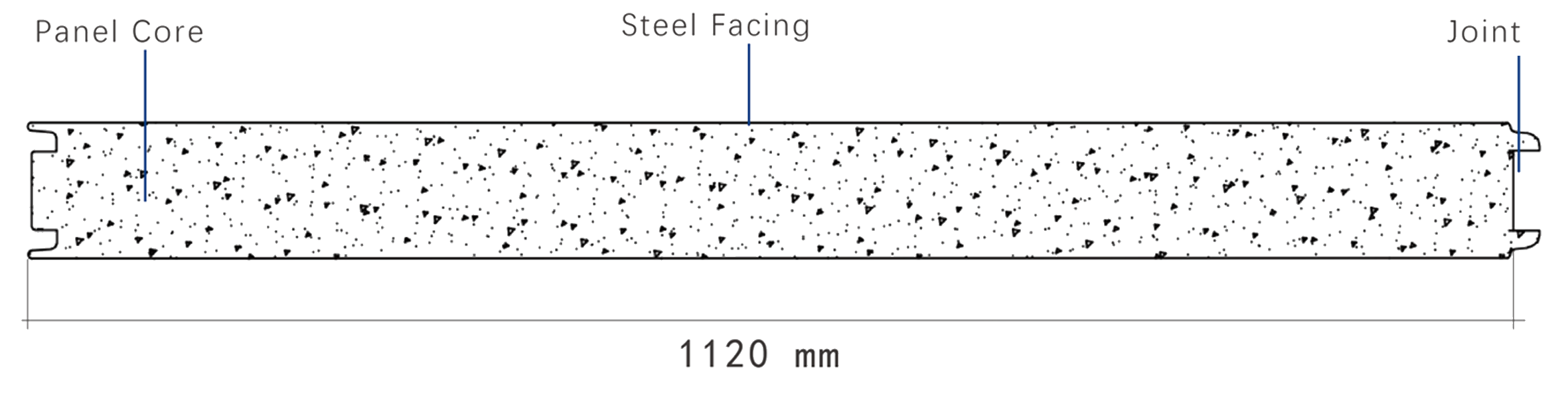
The Joint
The Split Joint PIR sandwich panels are widely used in industrial, commercial, and agricultural buildings, including warehouses, cold storage facilities, and manufacturing plants. Their ease of installation and low maintenance requirements make them a cost-effective option for modern construction projects.
Surface Profile
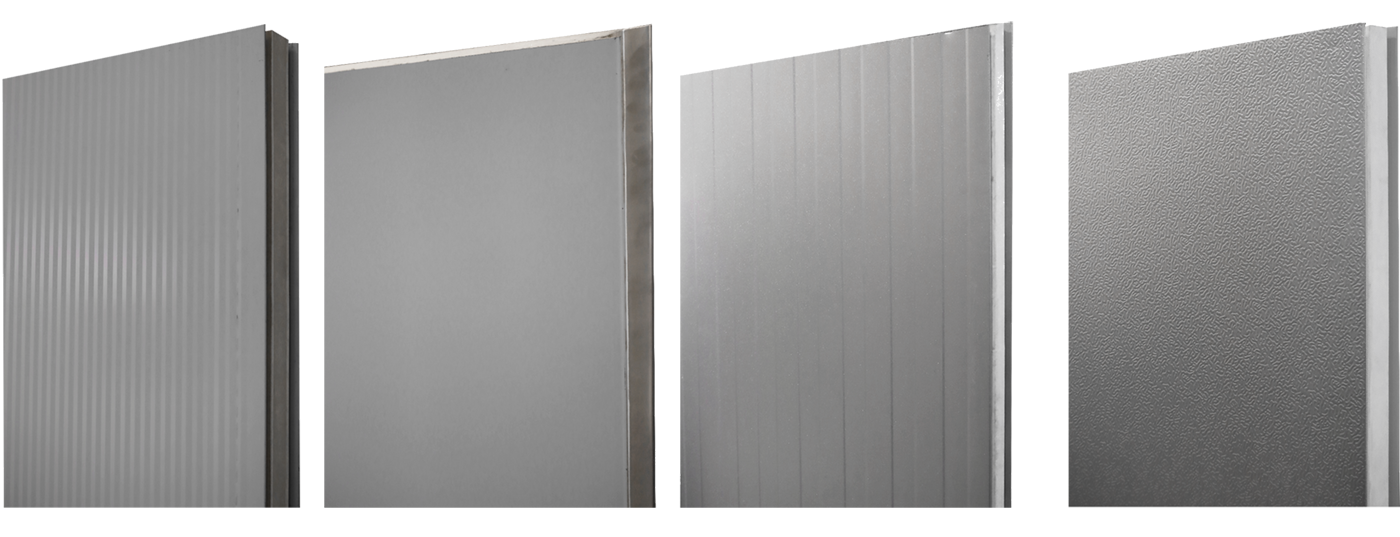
Miro | Smooth | Linear | Embossed
Surface Material
Our PIR sandwich panels have multiple customizable surface steel material and color choices such as PPGI, Stainless steel, embossed aluminum, etc.
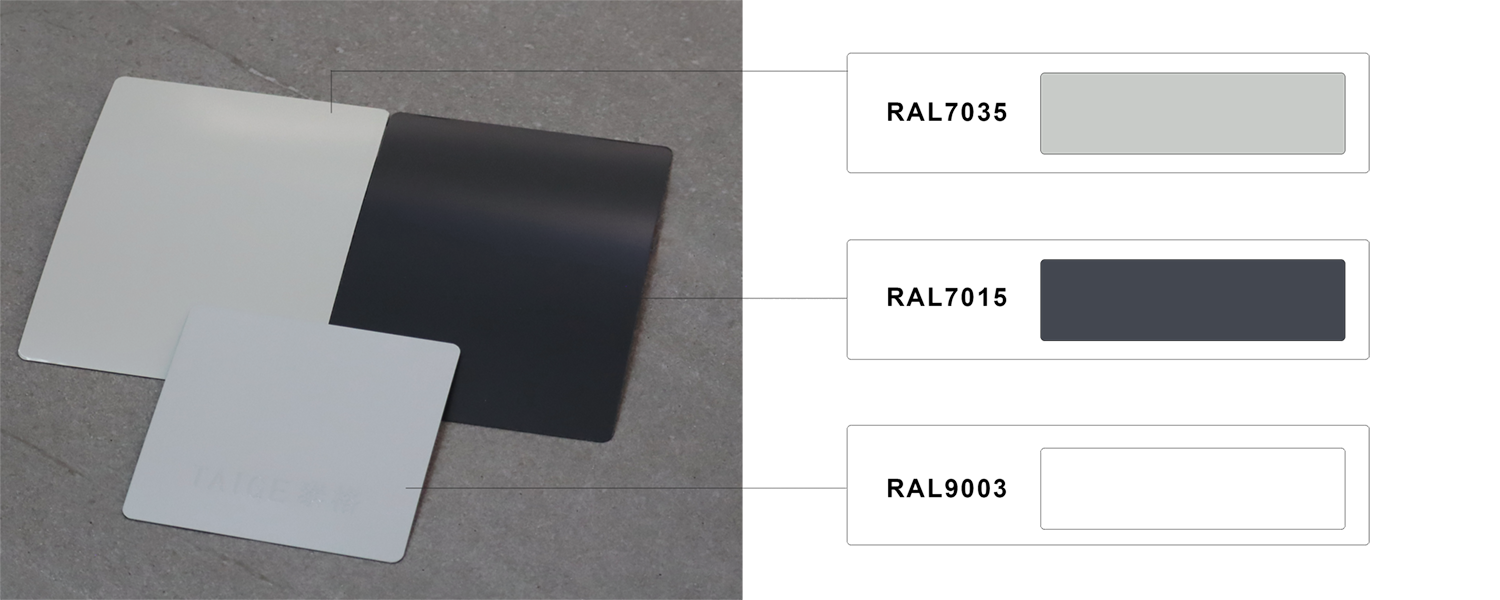
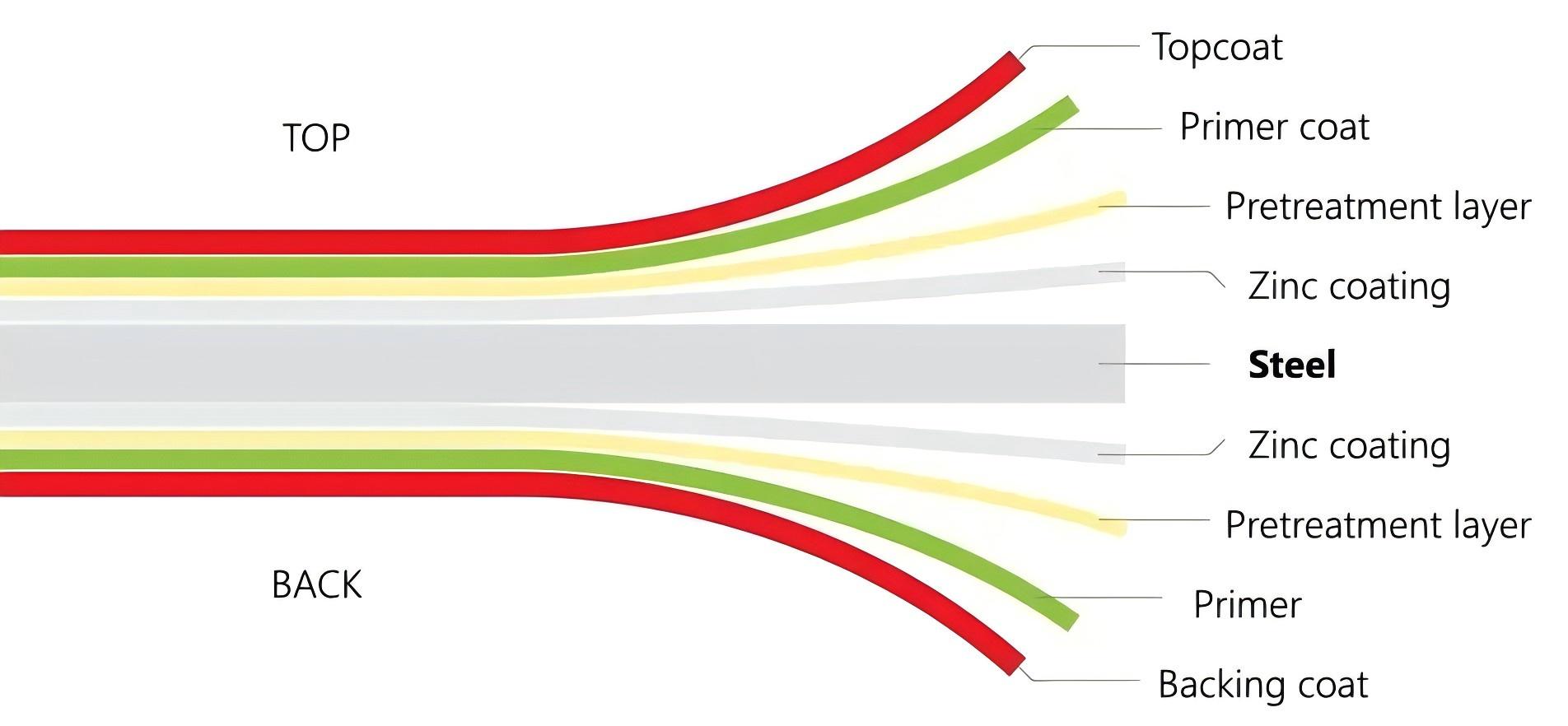
PPGI (Prepainted Galvanized Iron): features a galvanized steel base coated with paint for excellent corrosion resistance. It is lightweight, available in various colors, and environmentally friendly with a long service life.
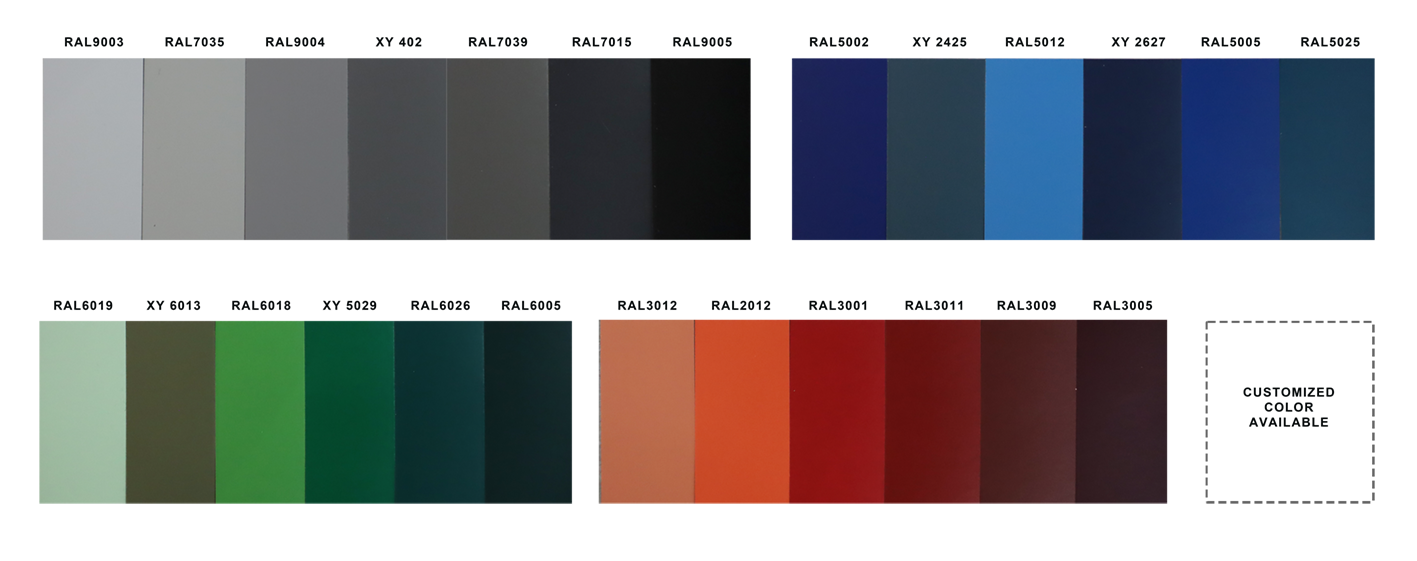
Typical Color (PPGI)
More Colors Selection
Other Surface Materials
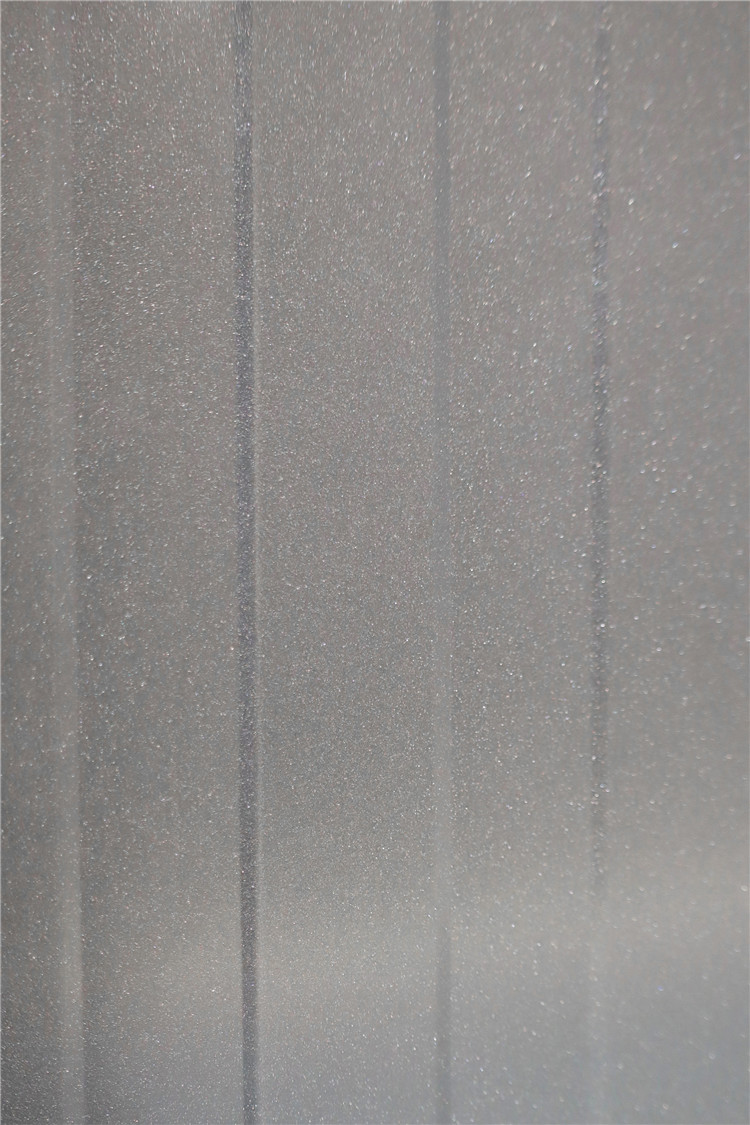
Ti-Mg-Zn-Al Alloy
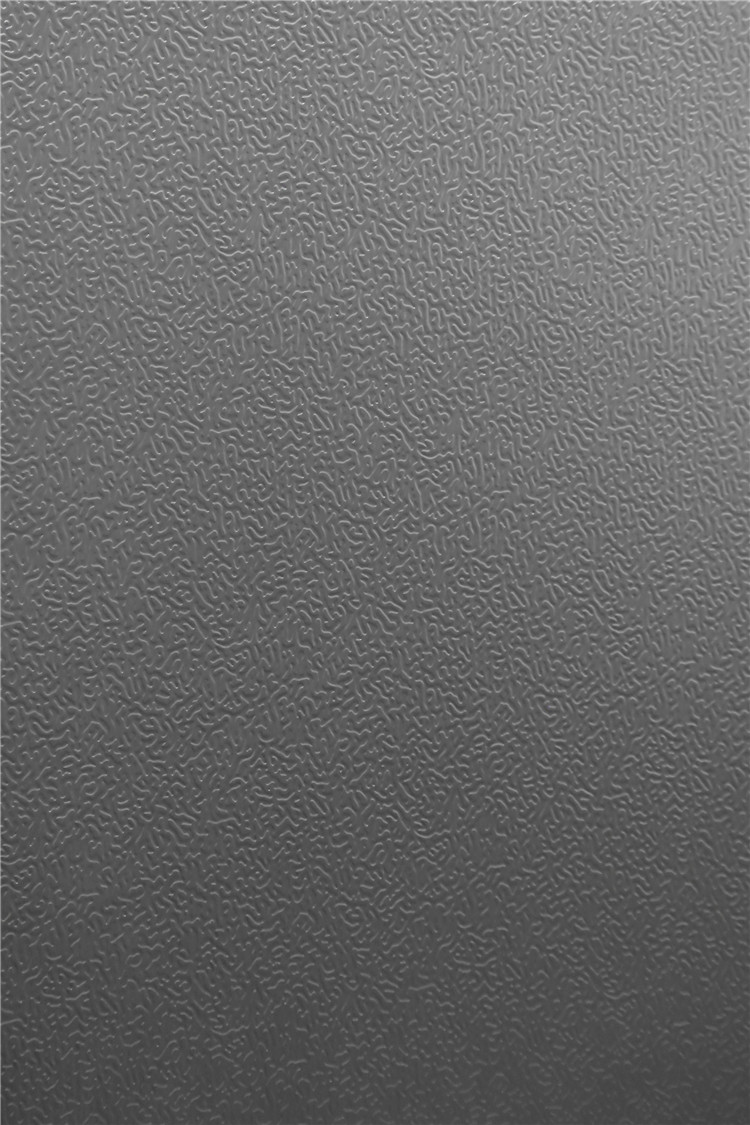
Embossed Aluminum
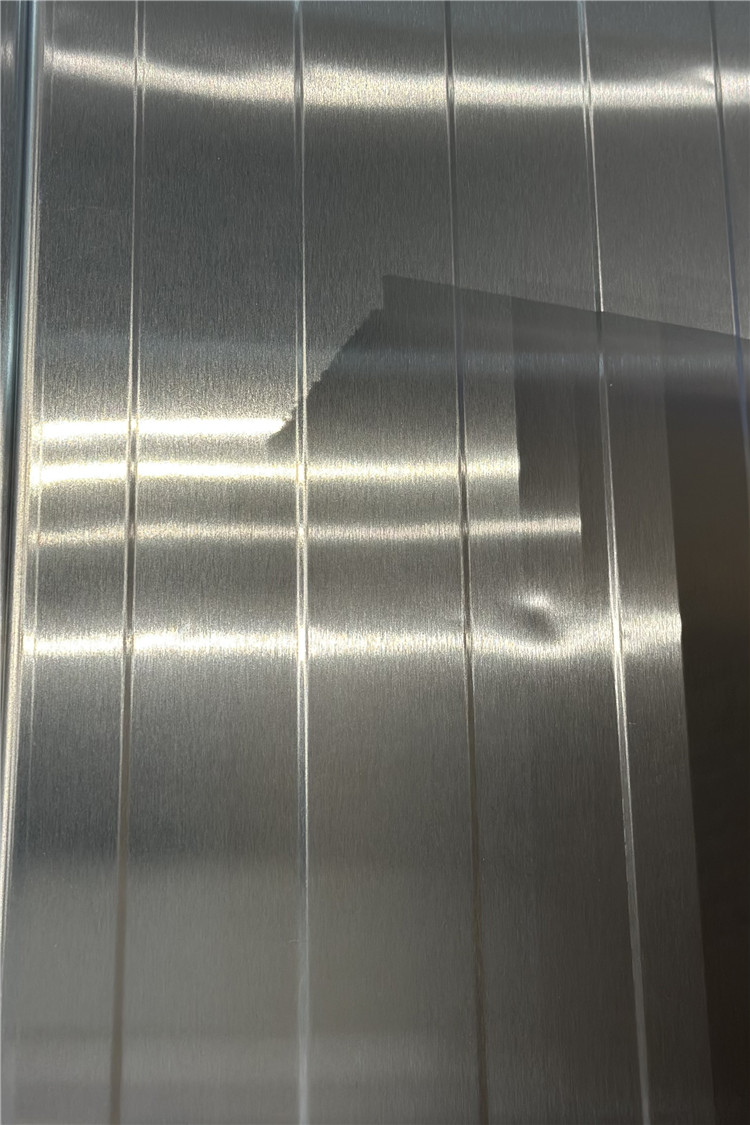
Stainless Steel (SUS304)
Extra Coating Options
1. PVDF (Polyvinylidene Fluoride): Exceptional resistance to UV radiation and chemicals; retains color vibrancy for outdoor architectural projects.
2. HDP (High-Durability Polyester): Superior durability and scratch resistance for high-traffic and industrial environments.
3. EP (Epoxy Polyester): Excellent adhesion and moisture resistance, ideal for indoor environments with chemical exposure.
Key Features & Advantages
- Excellent Insulation: Low thermal conductivity significantly reduces energy consumption and utility costs.
- Lightweight & Strong: Easy to handle and install, reducing labor costs and speeding up construction.
- Fire Resistance: B-s1, d0 rating provides an extra layer of safety for industrial and commercial use.
- Sustainability: Contributes to green building certifications through energy savings and minimal manufacturing waste.
QWhat is a PIR sandwich panel and how does it differ from PUR?
PIR (Polyisocyanurate) sandwich panels use a modified foam core that offers lower thermal conductivity and significantly better fire resistance compared to standard PUR (Polyurethane) panels.
QWhat thickness options are available for PIR panels?
Standard thicknesses range from 50mm to 200mm (50, 75, 100, 120, 125, 150, and 200mm). Lengths and finishes can be fully customized for your project.
QWhat surface materials can I choose from?
Options include PPGI (Prepainted Galvanized Iron), Stainless Steel (SUS304/SUS201), Embossed Aluminum, and specialized alloys like Ti-Mg-Zn-Al with various high-performance coatings.
QWhere are these panels typically used?
They are ideal for cold storage, industrial plants, food processing facilities, logistics centers, medicine warehouses, and any building requiring high thermal efficiency.
QWhat is the fire resistance rating?
Our PIR panels achieve a B-s1, d0 classification, meaning they have limited combustibility, produce minimal smoke, and result in no flaming droplets during fire exposure.
 YuanShengHeTong