Engineered to deliver exceptional thermal envelope integrity, architectural adaptability, and extreme energy-efficiency metrics.
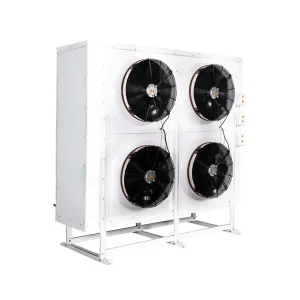
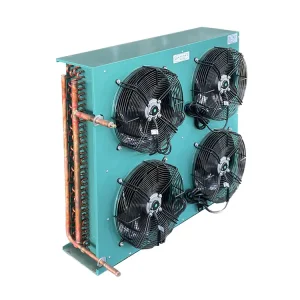
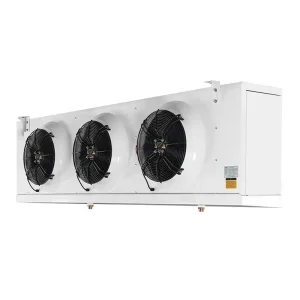
A rigorous examination of material properties, heat transfer metrics, and mechanical performance parameters for cold chain and controlled environment building envelopes.
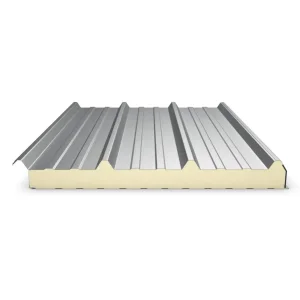
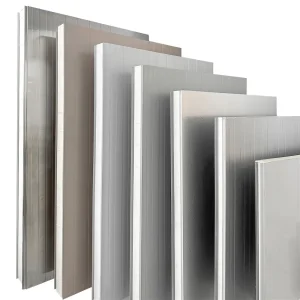
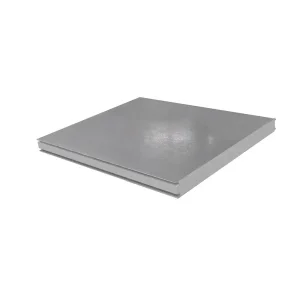
As global supply chains expand, the demand for energy-efficient cold rooms and temperature-controlled logistics centers has risen significantly. Polyurethane (PU/PUR) and Polyisocyanurate (PIR) core sandwich panels are critical to these structures. By enclosing specialized insulating cores between two structural metal facings, these composite panels act as load-bearing architectural barriers that minimize heat transfer.
Modern continuous double-belt production lines yield panels with consistent density profiles and precise cell structure distribution. PUR (Polyurethane) core structures offer reliable mechanical load-bearing capacity and a thermal conductivity factor of 0.022 W/m·K. In comparison, PIR (Polyisocyanurate) cores feature enhanced molecular cross-linking, which raises the decomposition threshold to over 350°C and yields a low thermal conductivity of ≤ 0.020 W/m·K, providing both high energy efficiency and fire safety.
For walk-in chillers, rapid-assembly blast freezers, and temporary pharmaceutical cleanrooms, panels with integrated eccentric cam-lock structural connectors are often required. Dual-action zinc-plated cam-locks are embedded into the high-density polyurethane core during casting. These locks pull adjacent panels together to compress the integrated double-lip EPDM vapor-barrier gaskets.
This design creates a tight seal that prevents thermal bridging, air infiltration, and condensation. Eliminating thermal bridges ensures the cold storage envelope remains stable, preventing moisture buildup that could compromise insulation or promote microbial growth.
Shaanxi YuanShengHeTong Refrigeration Equipment Co., Ltd. is a specialized manufacturer and engineering partner focusing on high-performance thermal insulation panels, cold storage doors, and industrial refrigeration equipment. Beyond precision component manufacturing, we provide comprehensive services, including mechanical load estimations, project planning, structural drafting, professional installation, and technical support.
By integrating premium raw material procurement, turnkey cold-storage planning, on-site installation supervision, and global logistical support, we provide reliable thermal envelopes worldwide. We support cold storage networks for fresh agricultural produce, meat processing, industrial food production, large-scale supermarket cold chains, hospitality logistics, medical cold storage, and bio-pharmaceutical cleanrooms.
Our roots in the industrial refrigeration sector date back to 1996. With over 25 years of hands-on experience, we manage a 60,000 square meter manufacturing campus equipped with four standardized production lines. Our team works under structured quality control (QC) guidelines to ensure every component meets high standards for thermal and mechanical performance.
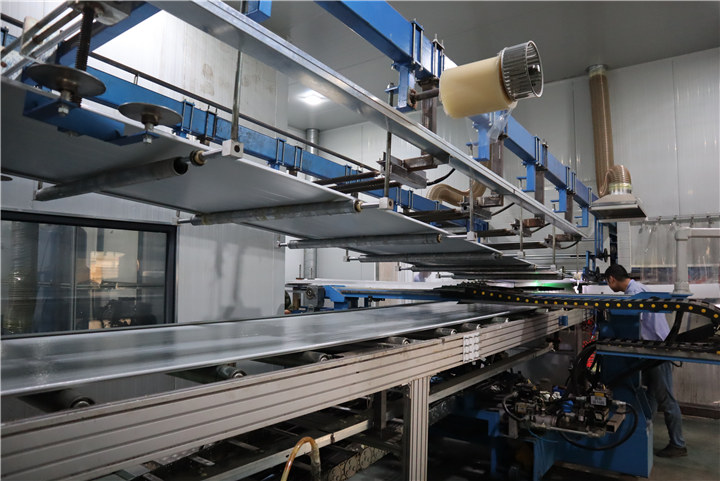
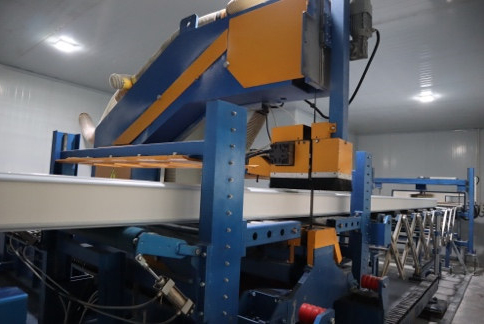
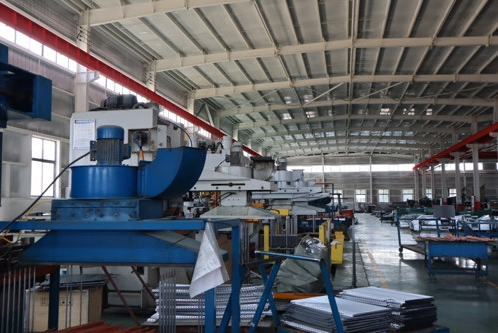
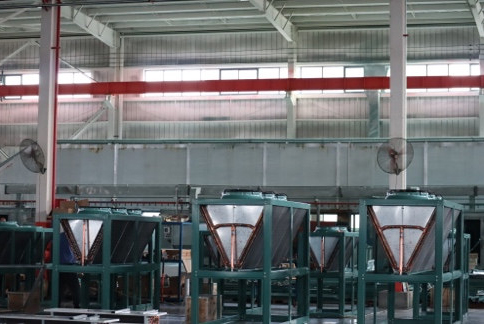
How Shaanxi YuanShengHeTong balances production speed, raw material quality, and logistical efficiency to serve global buyers.
We use automated multi-stage double-belt continuous lamination lines to distribute chemical precursors uniformly, preventing foam voids and maintaining reliable density across panel runs.
Our 60,000 m² factory operates four standardized workshops with raw material purchasing agreements for MDI and polyols, keeping our production costs stable and predictable.
Located in Shaanxi, our facilities connect directly to container rail links and coastal ports, providing fast, cost-effective shipping access to international markets.
A breakdown of structural dimensions, physical limits, and mechanical behaviors under varied structural configurations.
| Nominal Thickness (mm) | U-Value (W/m²·K) | Operating Range (°C) | Structural Application | Max Allowable Span (m) |
|---|---|---|---|---|
| 50 mm | 0.38 | ≥ +10 °C | Cleanrooms, High-precision electronic manufacturing, Processing halls | 3.2 m |
| 75 mm | 0.26 | 0 °C to +10 °C | Fruit & Vegetable preservation facilities, Commercial refrigeration | 4.1 m |
| 100 mm | 0.20 | -18 °C to 0 °C | Meat processing hubs, Frozen food storage units, Logistics hubs | 5.0 m |
| 150 mm | 0.13 | -35 °C to -18 °C | Low-temperature freezers, Tuna cold rooms, Pharma storage | 6.8 m |
| 200 mm | 0.10 | -50 °C to -35 °C | Ultra-low temperature storage, Blast freezing tunnels | 8.2 m |
Our formulation utilizes pentane as a blowing agent, resulting in zero Ozone Depletion Potential (ODP) and Global Warming Potential (GWP) < 11, complying with standard global environmental directives.
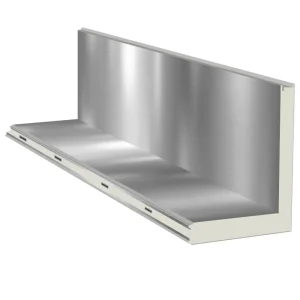
Metal skins are treated with hot-dip galvanized coatings (Z120-Z275 g/m²) and topcoats of PVDF or High-Durability Polyester (HDP) for protection against moisture and corrosive environments.
Precision cam-locks compress joints along the panel edges, creating a tight seal that prevents air infiltration and helps reduce thermal transfer across the building envelope.
Analyzing the performance of PUR/PIR envelopes across various global climates, environments, and zoning regulations.
Designed for large-scale USDA-inspected food warehouses, emphasizing fire safety (FM Approvals), large structural spans, and compatibility with heavy racking systems.
Engineered for electronic manufacturing and pharmaceutical labs, focusing on low outgassing, flush joint installations, clean flush-corner finishes, and CE/EN 14509 compliance.
Tested for hot desert environments (ambient temperatures > 50°C), focusing on thermal expansion management, UV-resistant coatings, and high structural load capacities.
Built for high-humidity coastal zones, featuring anti-corrosion marine-grade metal coatings (e.g., PVDF) to prevent corrosion from salty ocean air.
A timeline of our transition from a regional refrigeration equipment installer to a global thermal insulation supplier.
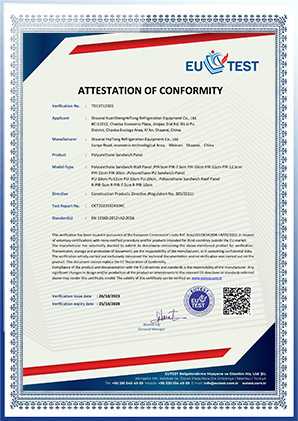
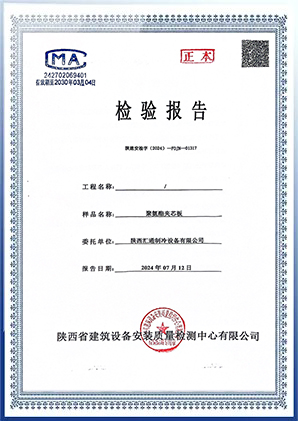
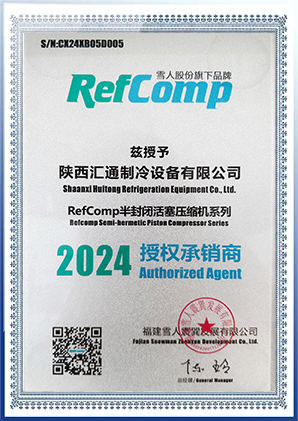
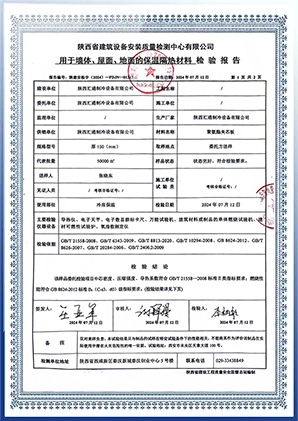
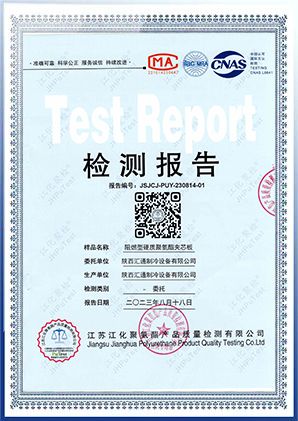
Every product undergoes testing against international standards for structural, fire, and thermal performance.
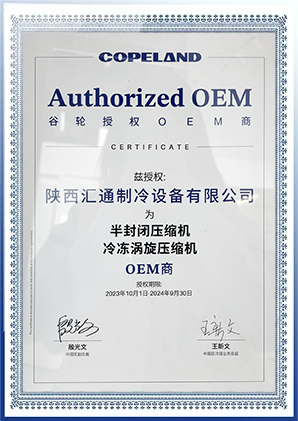
Quality Management System
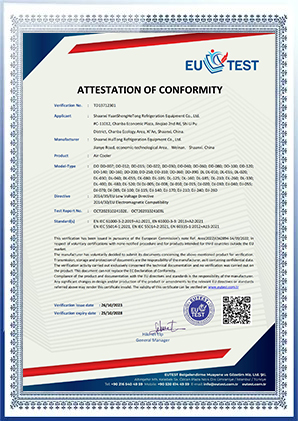
EN 14509 Structural Standards
GB8624 Fire Safety Rating
Product Integrity System
Answering common questions regarding the thermal, mechanical, and logistical aspects of PU/PIR panel systems.
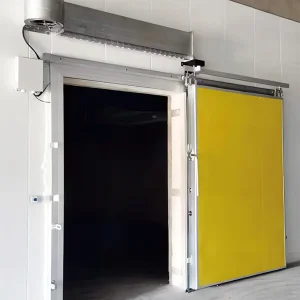
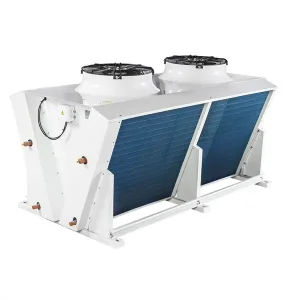
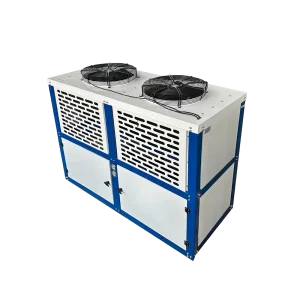
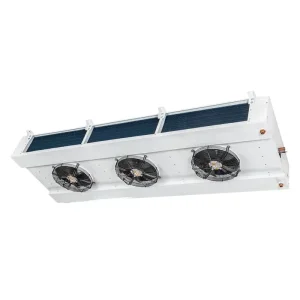
Complete your cold chain installation with our selection of industrial cooling units, insulated doors, and accessories.
 YuanShengHeTong