 YuanShengHeTong

Global Industrial Status & Technical Whitepaper on Cold Storage Systems
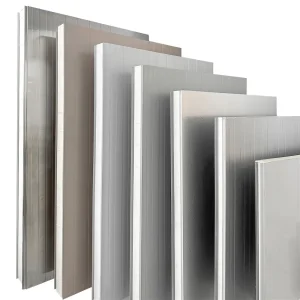
The expansion of the global cold chain logistics network is moving forward at an unprecedented rate. Driven by a surge in demand for temperature-controlled fresh food distribution, vaccine storage networks, and cold chain agricultural hubs, modern thermal insulation requirements have evolved beyond simple cooling enclosures. Today, high-performance cold room sandwich panels serve as the foundational envelope necessary to ensure strict thermal integrity, minimize operational energy waste, and meet strict international fire safety regulations.
1. The Physics of Cold Storage: Polyurethane (PU/PUR) vs. Polyisocyanurate (PIR)
When designing thermal envelopes for deep-freeze storage (-40°C to -18°C) or medium-temperature chillers (0°C to 10°C), selecting the correct core insulation material is critical.
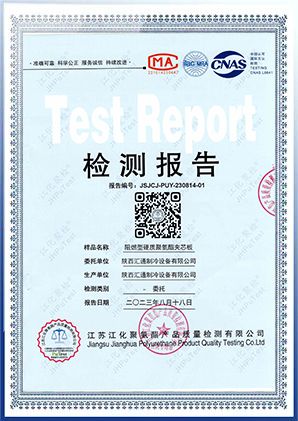
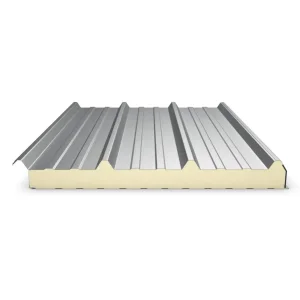
- Polyurethane (PU/PUR) Cores: Formed through the exothermic reaction of liquid isocyanate and polyol compounds. Our PUR panels achieve a nominal density of 40-42 kg/m³, providing an exceptional thermal conductivity rating (λ-value) of 0.020 W/(m·K). This high thermal resistance minimizes heat leakage and substantially reduces compressor cycle times.
- Polyisocyanurate (PIR) Cores: PIR represents an advanced iteration of PU polymer chemistry. Formulated with a higher ratio of isocyanate under high temperatures, PIR develops strong isocyanurate ring structures. This molecular configuration yields exceptional fire-retardant performance, allowing PIR sandwich panels to meet stringent international standards (such as Class B1-s1, d0 classification under EN 13501-1). PIR structures maintain structural integrity far longer than standard PU under thermal assault.
| Performance Metric | Standard Polyurethane (PUR) | Polyisocyanurate (PIR) |
|---|---|---|
| Core Density | 40 kg/m³ ± 2 | 42 kg/m³ ± 2 |
| Thermal Conductivity (Initial) | ≤ 0.021 W/(m·K) | ≤ 0.019 W/(m·K) |
| Fire Classification (EN 13501-1) | Class B2 / Class B3 | Class B1-s1, d0 |
| Closed Cell Content | > 93% | > 95% |
| Compressive Strength (10% Def.) | ≥ 120 kPa | ≥ 150 kPa |
2. High-Capacity Continuous Production & China's Supply Chain Efficiency
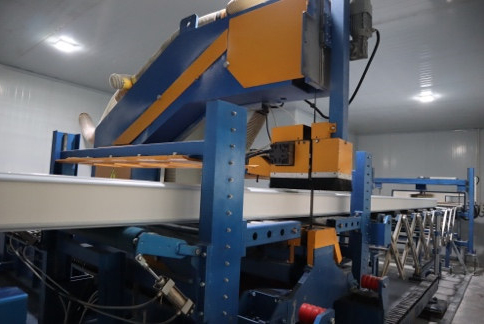
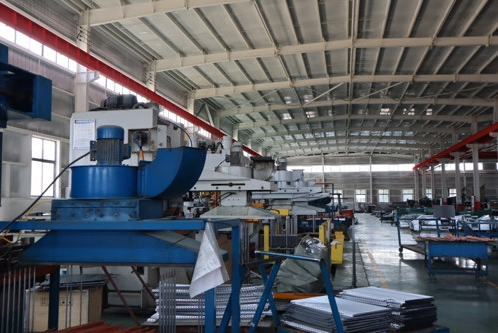
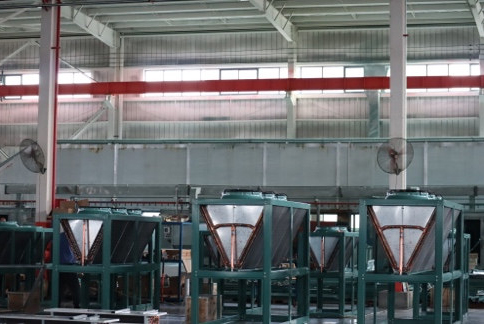
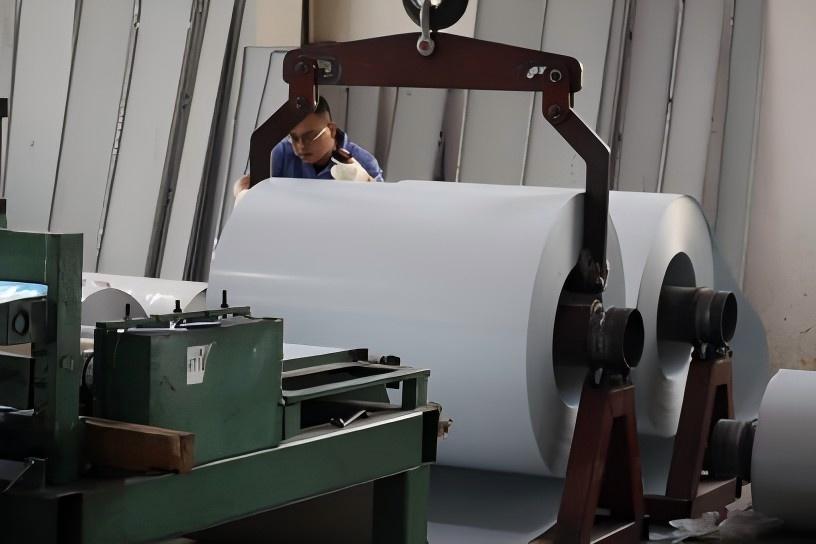
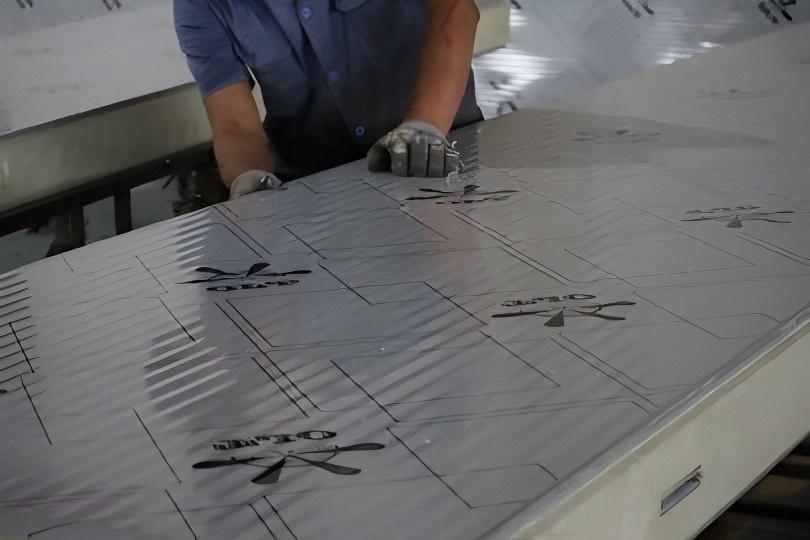
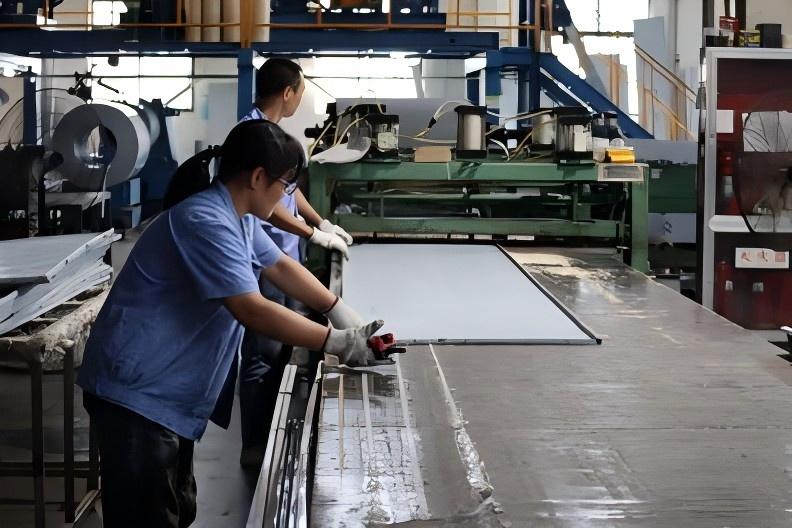
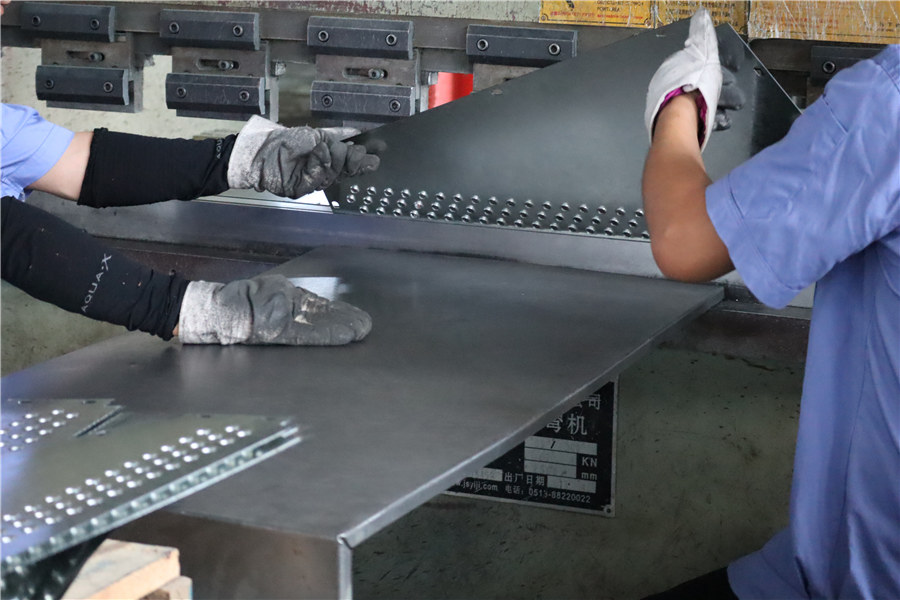
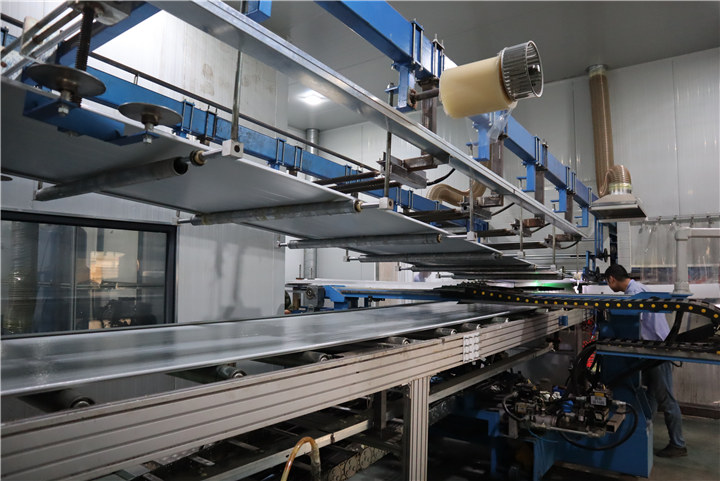
China's position as a leading global manufacturer and exporter of cold room sandwich panels is built on comprehensive supply chain integration and high-capacity manufacturing. Shaanxi YuanShengHeTong Refrigeration Equipment Co., Ltd. operates a 60,000 square meter production facility equipped with advanced, continuous double-belt automated production lines.
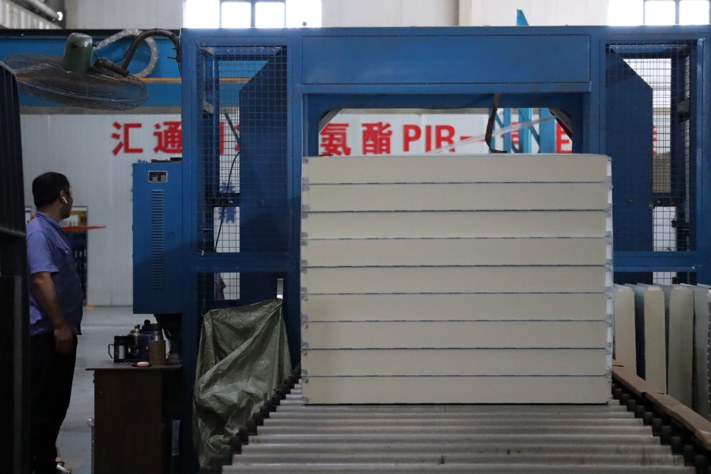
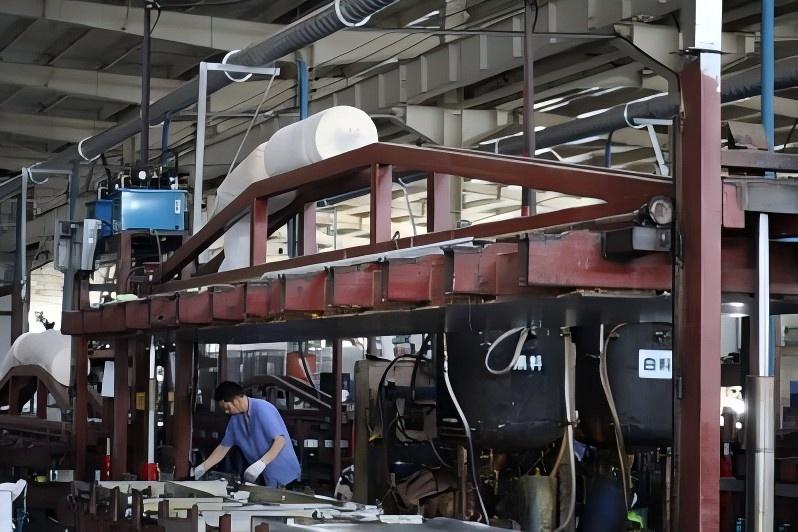
Unlike traditional static discontinuous pouring presses, which can result in inconsistent density distributions and internal voids, continuous production lines mix, foam, and cure PU/PIR mixtures under high pressure between moving structural steel skins. This process yields panels with a highly uniform density profile, exceptional surface flatness, and outstanding tensile bond strength between the core and outer steel skins.
By consolidating raw steel material processing, high-precision roll forming, automatic polyurethane injection, and integrated cold room door manufacturing under one roof, we achieve significant logistical and manufacturing efficiencies that benefit global projects.
3. Localized Applications & Critical Installation Dynamics
Cold room design must account for local environmental factors. A cold storage facility built in hot, humid tropical climates requires different insulation configurations than one constructed in sub-zero northern territories.
- High-Humidity Coastal Climates: In these environments, moisture ingress poses a significant risk. If vapor barriers fail, ambient moisture migrates toward the sub-zero interior, condensing within joint seams, freezing, expanding, and eventually causing delamination. Our cam-lock systems utilize tongue-and-groove joint profiles lined with high-density EPDM gaskets, creating a reliable dual-stage vapor and thermal seal.
- Controlled Atmosphere (CA) Agriculture Storage: Used extensively for apple, pear, and kiwi preservation, CA cold rooms require strict airtightness to regulate O₂ and CO₂ concentrations. Standard joints are reinforced with specialized food-grade neutral silicone sealants along the joint profile, ensuring airtight integrity.
- Biopharmaceutical & Medical Warehouses: Demanding precise, multi-zone temperature controls (often with active redundancy), these projects typically specify antibacterial pre-painted steel finishes (e.g., PVDF or PET coatings) to resist aggressive cleaning chemicals.
4. Global Procurement Frameworks & Customization Standards
Procurement teams must carefully evaluate technical parameters to ensure project specifications align with local building codes. In addition to core thermal values, key considerations include:
- Steel Skin Specification: Panel skins generally range from 0.4mm to 0.8mm in thickness. Options include hot-dip galvanized steel, stainless steel 304/316, or Galvalume (Aluzinc) steel, depending on structural requirements and exposure to corrosive environments.
- Span and Load Calculations: For larger warehouse ceilings, panels must support both dead loads (such as piping, air coolers, and cable trays) and dynamic maintenance loads without sagging. Selecting the correct panel thickness (ranging from 50mm to 200mm) ensures structural stability.
- Logistics and Packaging: Standard containers accommodate panels up to 11.8 meters in length. To protect panels during international transit, we utilize protective plastic film overlays, heavy-duty cardboard edge protectors, and compressed EPS bottom pallets.