Engineered for thermal performance, precision sealing, and operational energy efficiency across cold chain ecosystems.
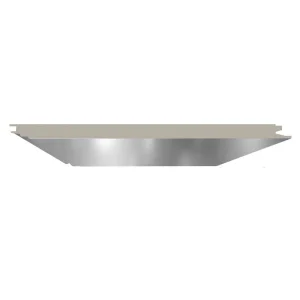
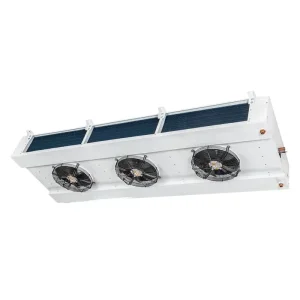
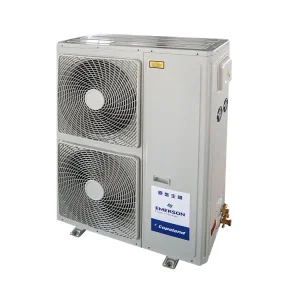
In modern industrial infrastructure, the roof functions not merely as a barrier against weather elements, but as the critical core of building thermodynamic regulation. OEM Sandwich Roofing Sheets built with polyurethane (PU) and polyisocyanurate (PIR) cores represent the pinnacle of structural insulation engineering. Designed to minimize energy transfer, control relative interior moisture levels, and provide robust load-bearing resistance, these composite materials are the standard for cold storages, high-tech factories, and large logistics networks.
Through continuous technological innovation, Shaanxi YuanShengHeTong Refrigeration Equipment Co., Ltd. has pioneered integrated production processes that fuse high-density structural skins with customized, continuous core materials. Operating since 1996, our R&D aligns directly with international structural and thermal ratings, ensuring that every panel maintains structural integrity and maximum R-value over decades of field service.
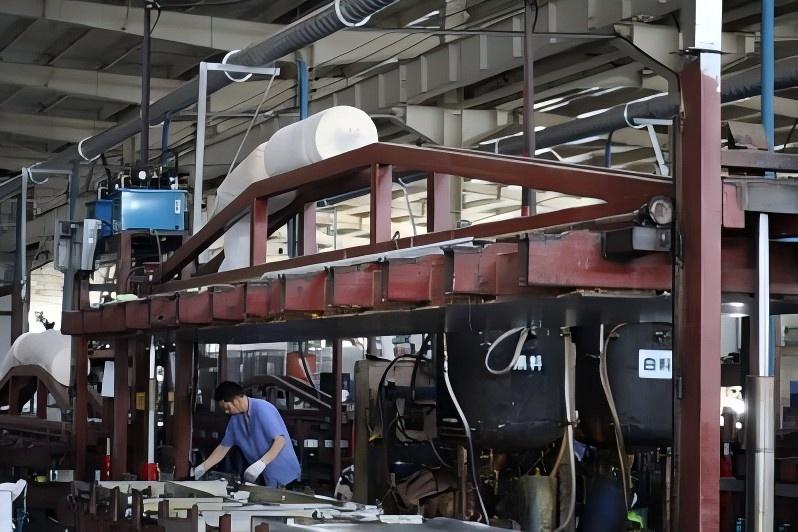
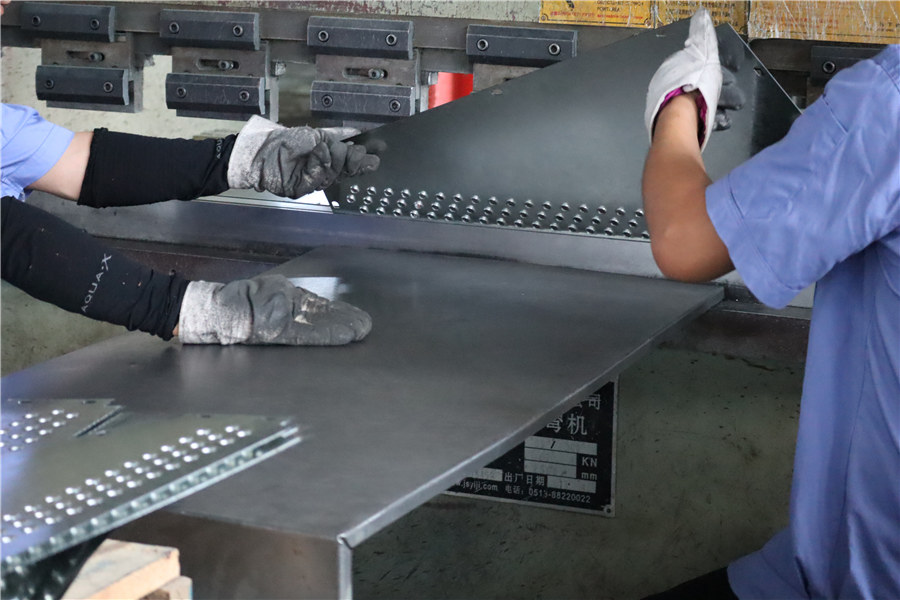
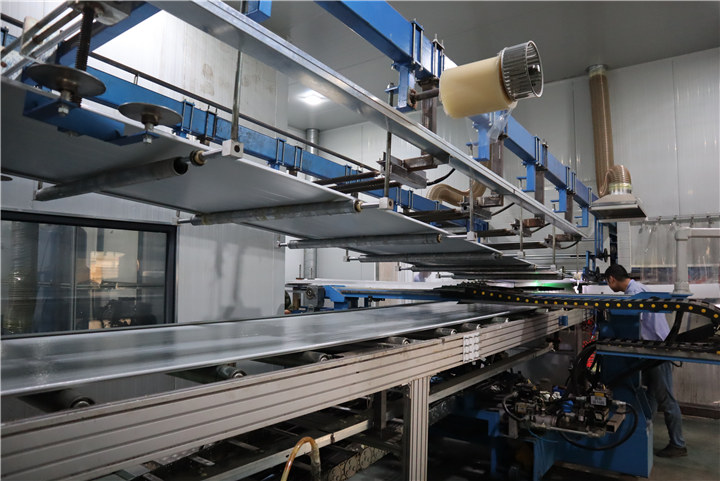
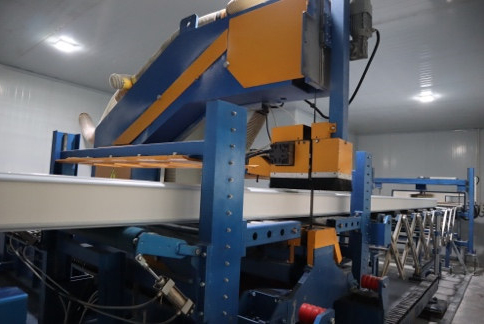
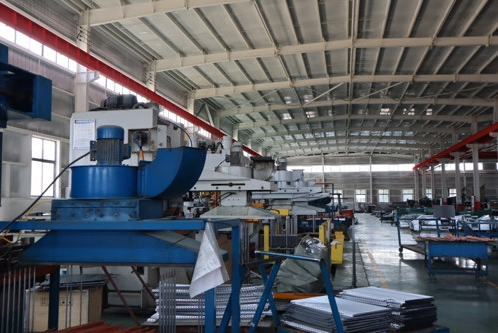
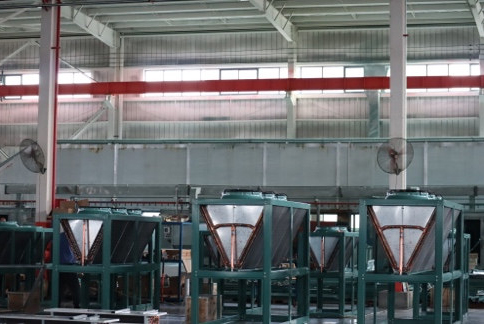
Four state-of-the-art production workshops equipped with continuous double-belt laminators and automated packaging technologies.
Building refrigeration panels and commercial structures since 1996, offering unparalleled technical support and design expertise.
Understanding the chemical and mechanical advantages that define modern sandwich roof sheets.
Our continuous PU/PIR foaming process produces a closed-cell ratio greater than 95%. This delivers a very low initial thermal conductivity (λ ≤ 0.022 W/m·K), drastically reducing HVAC thermal load margins in storage and fabrication plants.
Through precise isocyanurate ring modification, our PIR panels achieve B1 fire ratings. Under fire conditions, PIR core structures generate a cohesive carbonaceous char layer that blocks flame spread, meeting stringent insurance and fire code parameters.
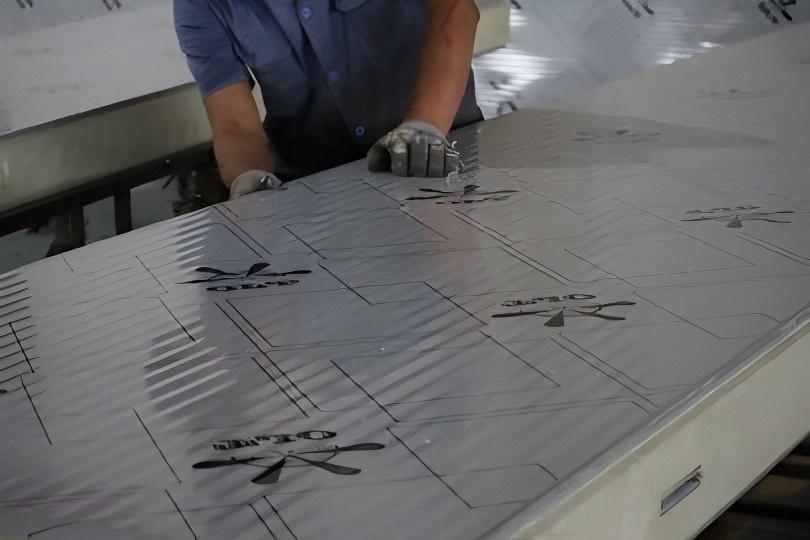
Clad in multi-layer pre-painted galvanized steel (PPGI) or high-grade aluminum alloys, our sheets withstand harsh industrial vapors, salty coastal drafts, and persistent interior moisture condensation.
Unifying manufacturing speed, technological integration, and cost-efficiency to scale global projects.
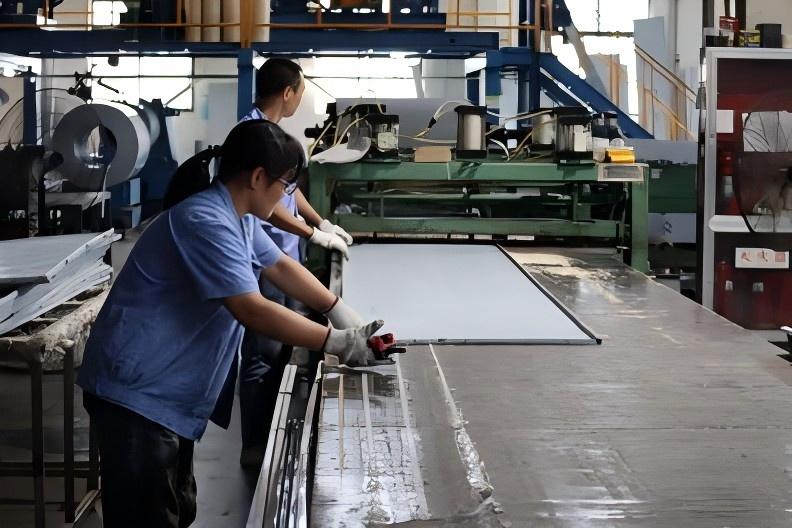
Our Shaanxi facility is optimized for scalable OEM and ODM requests. The integration of automatic split-joint production lines removes human error from panel dimensioning, resulting in perfectly uniform joint fitments. This means faster installation times on-site and zero thermal gaps.
By sourcing directly from our 60,000 m² factory, global clients eliminate intermediate distributor markups and gain direct contact with the designers. From core thickness parameters (50mm to 200mm) to custom structural skins and cam-lock alignments, we match panel specifications precisely to your regional code compliance.
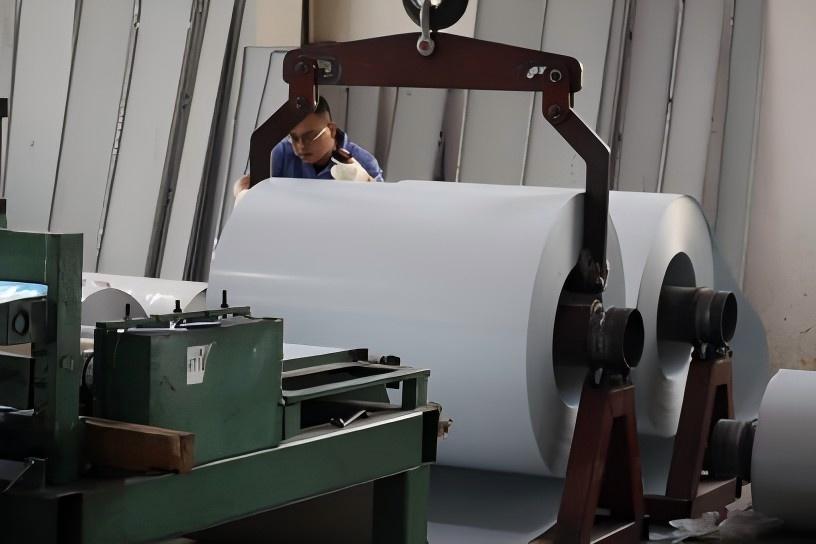
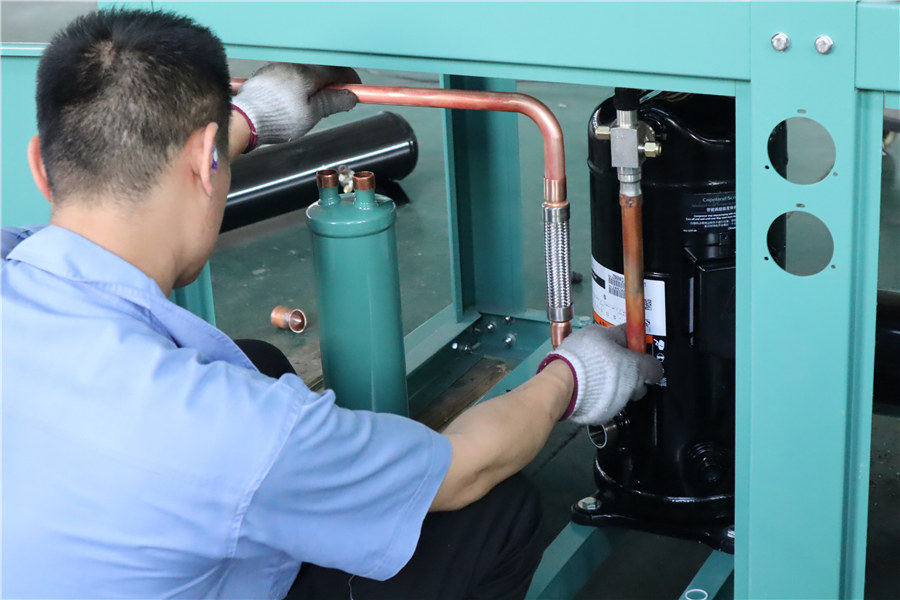
Providing industrial infrastructure solutions tailored for severe climates and high-demand operations.
Vegetables, fruits, and meat processing facilities demand stable temperatures to prevent spoilage. Our roof sheets prevent thermal bridging, reducing localized hot-spots and stabilizing internal environments.
Cleanroom compliance requires non-dusting surfaces and airtight structural joins. The clean surface profile of our sheets is ideal for high-hygiene setups.
Large roofs face massive solar radiation. Reflective top skins combined with thick core insulation reduce high heat transfer from overhead sun.
Tracing our evolutionary timeline from regional service to a globally certified manufacturing leader.
Our founder started the business focusing on refrigeration equipment marketing and installation.
With our first factory completed in Shaanxi, we produced our first cam-lock sandwich panels.
The second factory in LanZhou was completed, expanding our coverage across the north-west market in China.
Relocated to a larger site in Shaanxi, spanning 120 acres with 8 advanced production workshops.
Introduced our first automatic split-joint production line, optimizing raw material use and dimensional precision.
Commissioned our second advanced automatic production line to boost volume throughput and quality uniformity.
Invested in green tech to transition our production processes into a certified eco-friendly manufacturing factory.
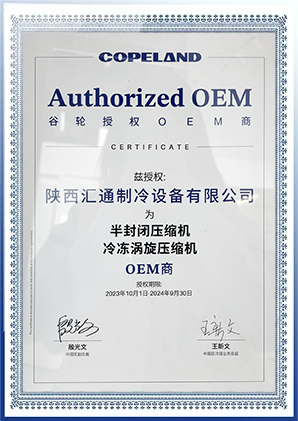
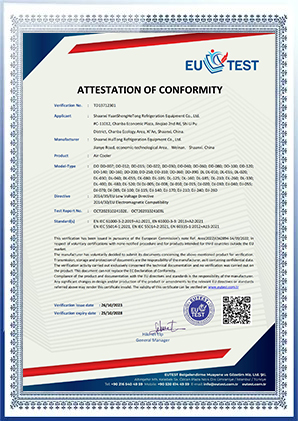
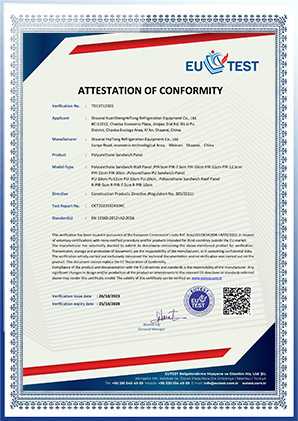
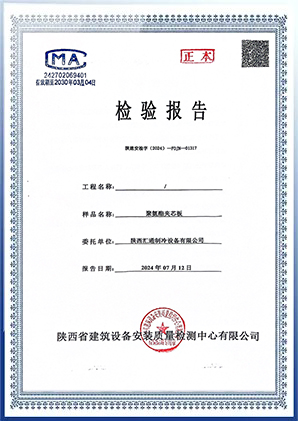
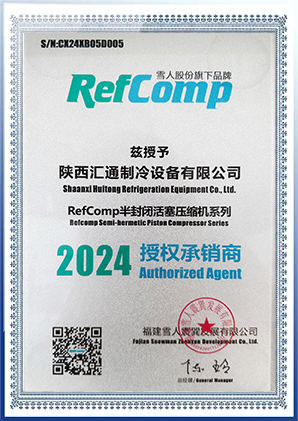
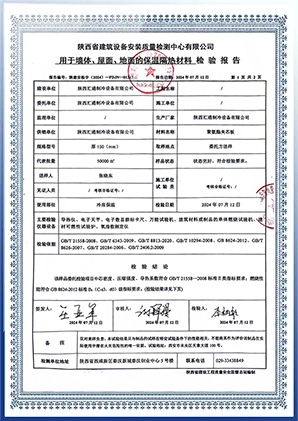
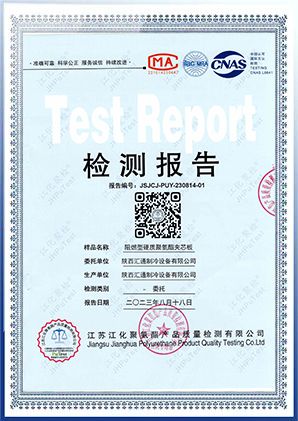
Verified Quality
Full Traceability Under 10-QC Expert TeamA summary of standard engineering checks to run when specifying sandwich roofing sheets.
Match metal profiles to site conditions. In coastal regions or chemical processing areas, select PVDF or SMP coatings rather than basic polyester options. Base metal thickness (BMT) typically ranges from 0.4mm to 0.8mm.
Ensure core densities are maintained between 40-42 kg/m³ for PUR/PIR. Under-specifying foam density will degrade structural loading parameters and cause panel deformation under load variations.
Ensure joint shapes block wind-driven rain penetration. Standard interlocking joints work well for standard warehouses, while internal cam-locks are necessary for ultra-low temp storage applications.
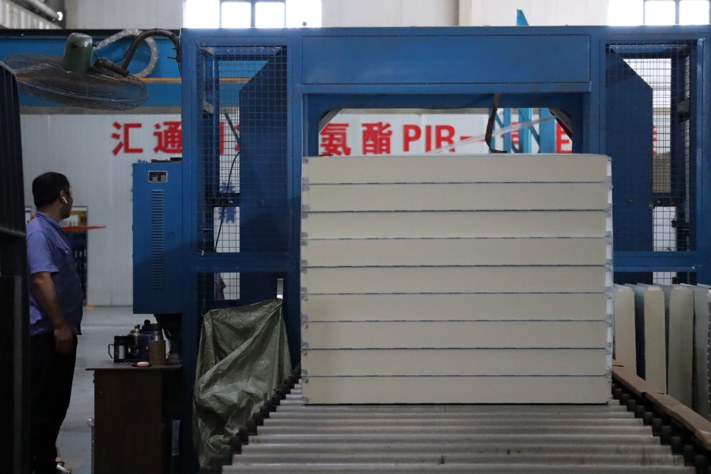
Ensure panels are shipped with protective films, dense corner guards, and heat-shrunk bundles. Proper bundling prevents abrasion of the exterior coating during shipping.
Direct technical answers to common queries from architectural specifiers and global buyers.
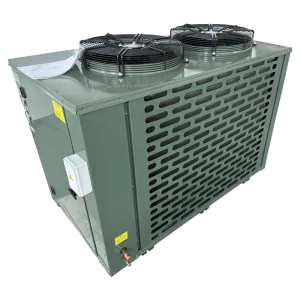
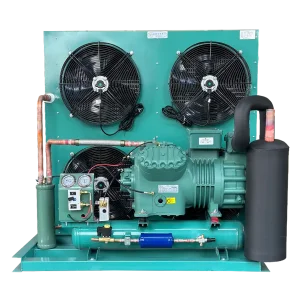
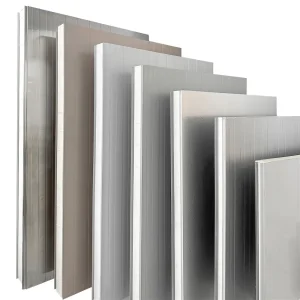
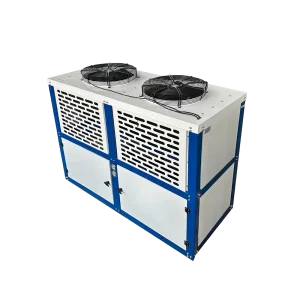
Maintain thermal integrity with compatible refrigeration, walling, and compressor systems.
 YuanShengHeTong