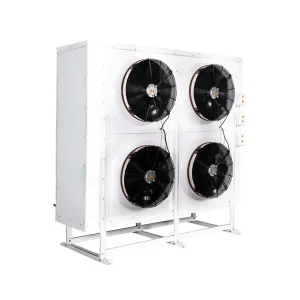
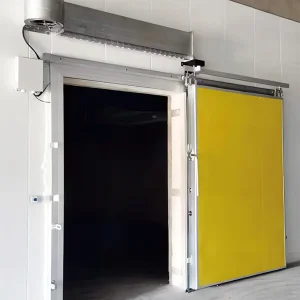
Explore our certified cold storage construction panels, high-efficiency refrigeration condensers, air coolers, and heavy-duty compressor solutions engineered for high performance.
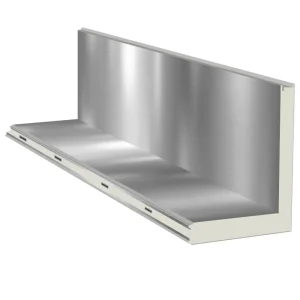
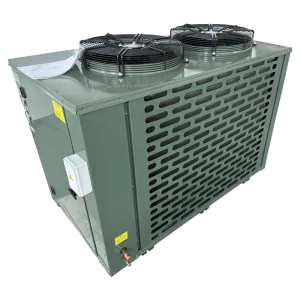
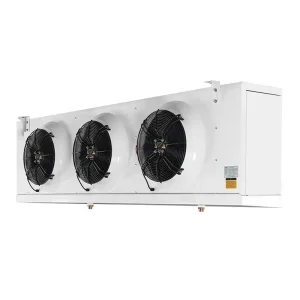
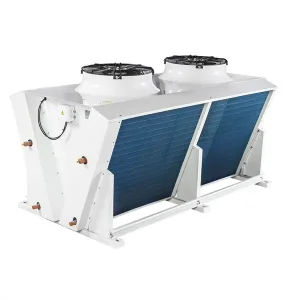
An in-depth guide to thermal efficiency, load calculations, custom profile engineering, and global manufacturing standards in cold-chain and industrial building envelopes.
Abstract: Modern industrial construction demands building envelope systems that reconcile rapid structural installation with thermal structural performance. Rigid polyurethane (PUR) and polyisocyanurate (PIR) cores, sandwiched between protective pre-painted steel sheets, constitute the pinnacle of roof integration. Shaanxi YuanShengHeTong Refrigeration Equipment Co., Ltd. presents this white paper to analyze the thermal physical profiles, structural spans, and supply chain logistics that empower global buyers in cold-chain logistics, pharmaceutical storage, and smart agricultural facility management.
The global construction paradigm is shifting toward Net-Zero Energy Buildings (NZEB). Sandwich roof panels play an imperative role here, transitioning from simple cladding components to dynamic structural-thermal barriers. Polyisocyanurate (PIR) core integration is rapidly replacing traditional mineral wool and EPS (Expanded Polystyrene) in applications requiring heightened fire protection without compromising thermal resistance. PIR features a chemical structure with ring-like links (isocyanurate rings) that require significantly higher thermal energy to break, thereby offering superior flame retardancy (Class B-s1, d0 according to EN 13501-1 standards).
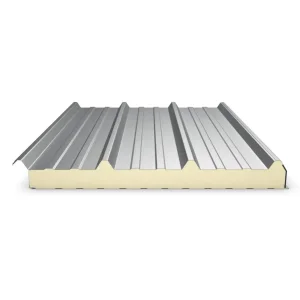
Moreover, the integration of continuous double-belt lamination systems ensures a completely homogenous density distribution across the core ($40-42 \text{ kg/m}^3$). This prevents internal voiding or thermal bridging, allowing projects to optimize R-values while minimizing structural weight. Modern advancements also focus on structural interlocking systems—such as advanced overlap structures and concealed capillary grooves—which eliminate water ingress risks during heavy rain cycles and shield internal polyurethane layers from UV degradation.
When engineering global cold storage systems or logistics hubs, procurement heads face multifaceted compliance hurdles. The primary specification parameters include:
Combining automated continuous manufacturing lines, rigorous QC protocols, and specialized design services for high-capacity projects worldwide.
Operates 4 standardized modern workshops equipped with advanced structural handling equipment and climate-controlled curing rooms to guarantee panel planarity.
Equipped with modern high-capacity split-joint and continuous double-belt lines (commissioned in 2018 and 2020) to ensure high dimensional accuracy.
Supported by a dedicated 10-member Quality Control team, analyzing density distribution, foam cell structures, core adhesion, and dimensional deviations.
The applications for insulated sandwich roofing extend far beyond industrial warehousing. Modern food safety standards require high sanitization and zero-condensation environments, making specialized panels critical for processing zones.
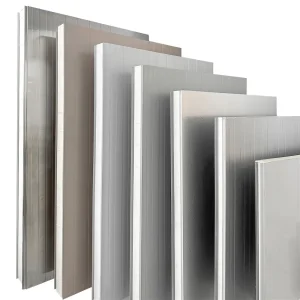
Vegetable, fruit, and meat processing facilities require strict temperature zoning. Cold room designs feature a combination of sandwich ceiling/roof panels and matching wall panels. Our PUR panel formulations ensure thermal integrity, preventing condensation that could lead to mold or bacterial growth. Our CE-certified cam-lock polyurethane panels allow rapid modular assembly and maintain airtight, energy-efficient joints for food-grade facilities.
Pharmaceutical processing sites require absolute chemical neutrality and smooth, non-shedding surfaces. We configure our sandwich systems with anti-static skins and micro-ribbed profiles. These designs minimize dust collection and withstand strict chemical washdown cycles, ensuring compliance with international CGMP standards.
High-tech electronics factories require stable thermal gradients to prevent micro-expansion in precision machinery. Roof designs must also accommodate structural loads from suspended air filtration units (FFUs), piping, and heavy HVAC systems. We design our OEM sandwich roof panels with high structural core density and thicker outer steel layers, offering high load capacities across extended spans to meet these demands.
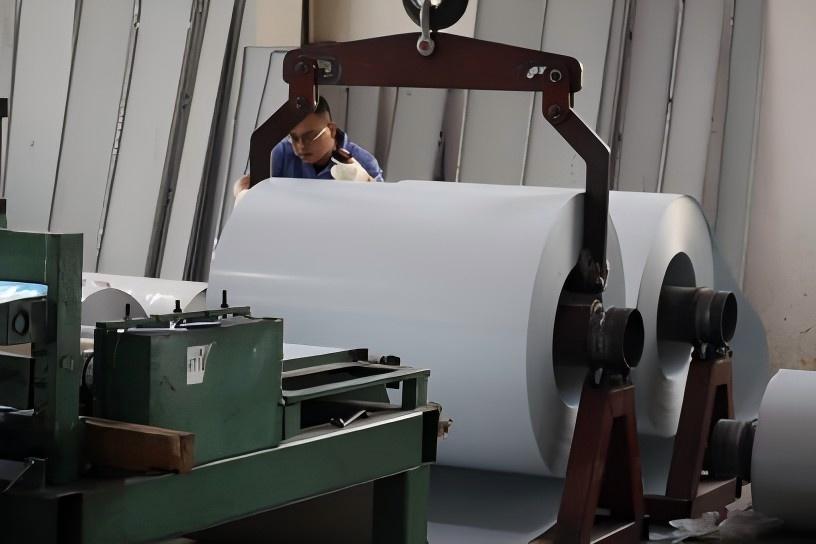
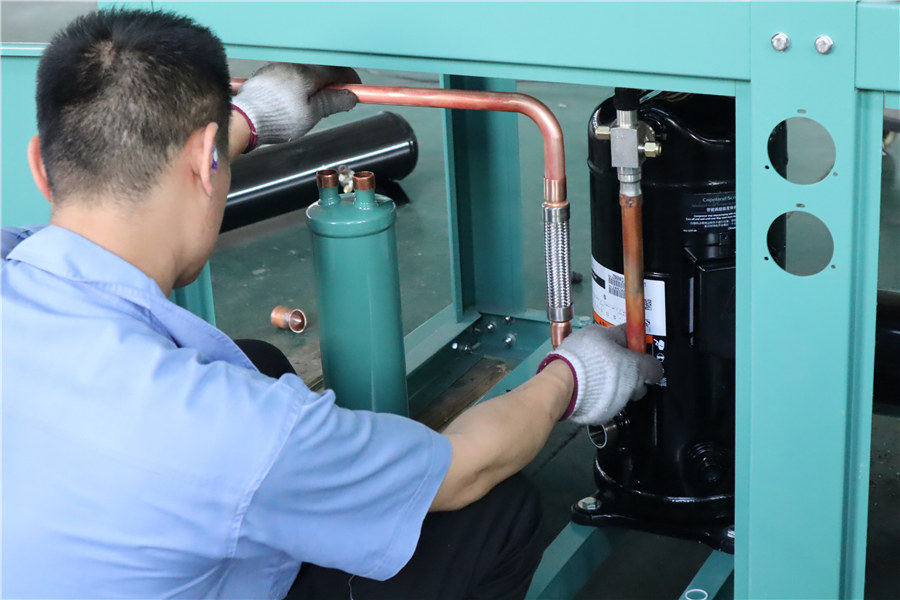
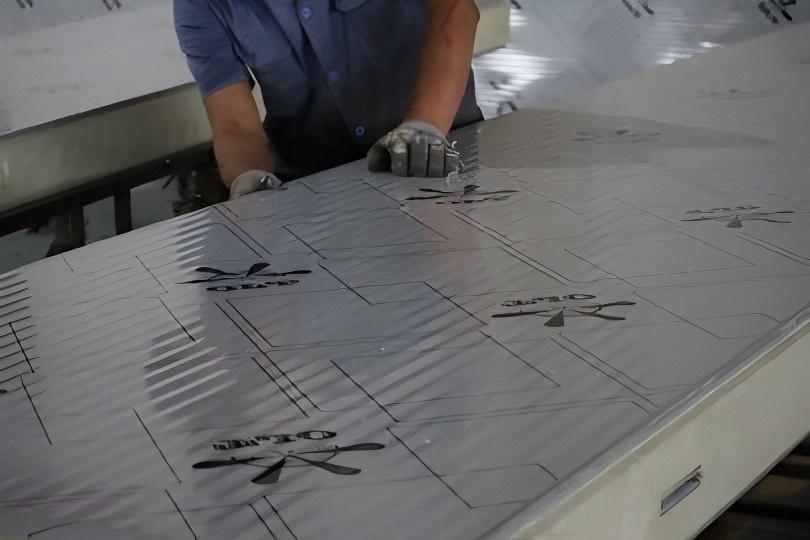
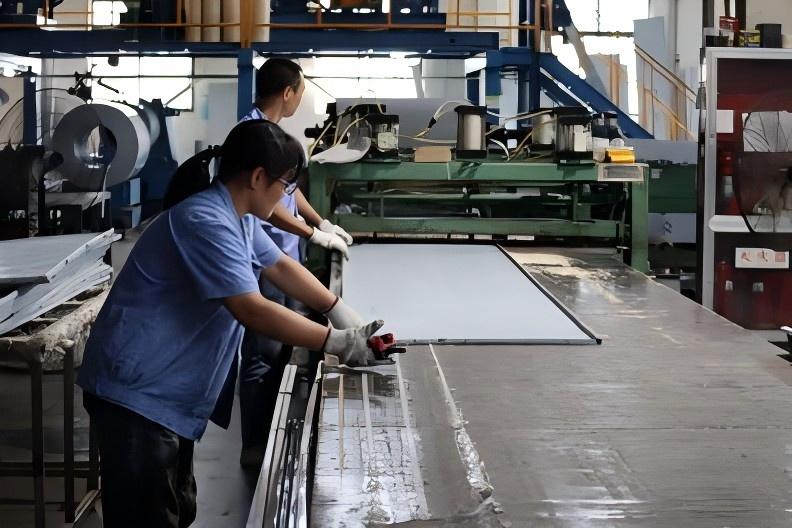
Over two decades of engineering expansion, manufacturing automation, and commitment to environmental sustainability.
Our founder initiated operations focused on commercial refrigeration marketing, component distribution, and industrial site installation.
Completed the construction of our first manufacturing base in Shaanxi, successfully delivering our first generation of cam-lock sandwich panels.
Established our second production facility in Lanzhou, expanding our regional supply chain to cover major markets in Northwest China.
Relocated the Shaanxi headquarters to a new, larger facility. The updated site spans 120 acres and includes 8 advanced workshops designed for higher capacity.
Introduced our first automated split-joint production line, enhancing output consistency and reducing manufacturing turnaround times.
Commissioned a second automated production line, further increasing our daily panel output and refining structural flatness parameters.
Transitioned our plant toward eco-friendly manufacturing, adopting clean energy resources and implementing low-emission, pentane-blown foam systems.
Our fabrication systems follow strict international standards, ensuring compliant physical performance in every batch.
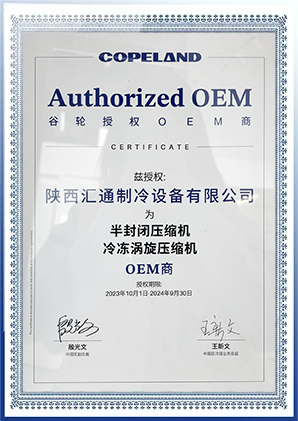
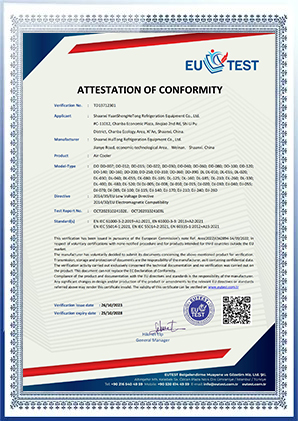
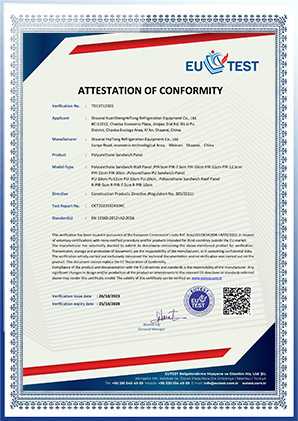
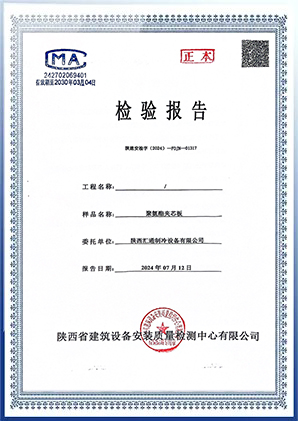
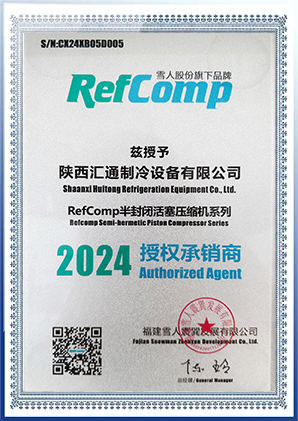
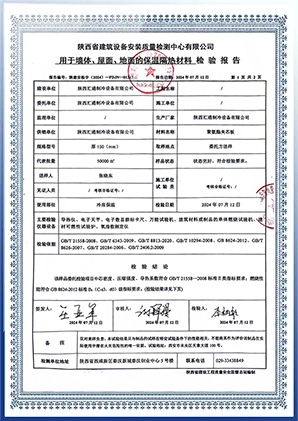
Comprehensive engineering insights and structural analysis from our technical division.
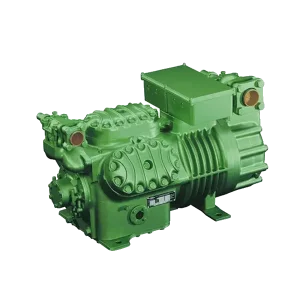
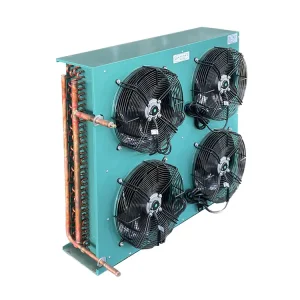
Complementary structural products including high-performance cold storage doors, specialized evaporator units, and heavy compressors for commercial installations.
 YuanShengHeTong