Engineered cold storage doors, high-efficiency evaporative systems, and high-density polyurethane/polyisocyanurate composite wall systems.
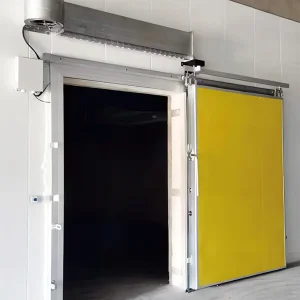
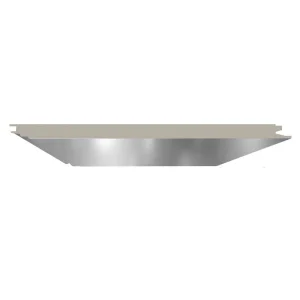
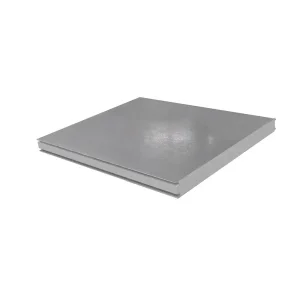
Established in 1996, Shaanxi YuanShengHeTong Refrigeration Co., Ltd. (YSHT) is a globally recognized manufacturer, exporter, and total service provider specializing in advanced insulation building envelopes and industrial refrigeration equipment. Over nearly three decades, we have transitioned from a localized installer into an international heavy-industry enterprise, offering integrated R&D, automated manufacturing, engineering design, custom system installation, and lifecycle after-sales support.
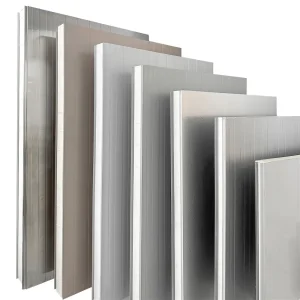
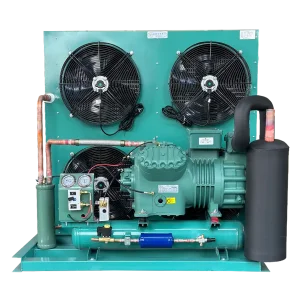
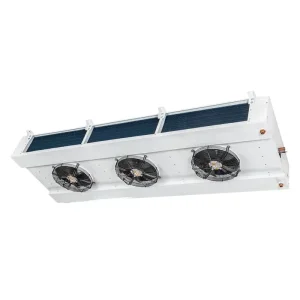
Our high-performance core products encompass Polyisocyanurate (PIR) and Polyurethane (PUR) composite sandwich panels, airtight cold storage doors, heavy-duty evaporative coolers, precision air-cooled condenser arrays, and industrial-grade condensing units. We formulate bespoke engineering systems targeted at the cold-chain logistics of perishables, bio-pharmaceutical storage, cleanroom construction, food processing plants, and commercial retail distribution hubs.
How YSHT achieves continuous panel quality, micron-level thickness precision, and structural uniformity.
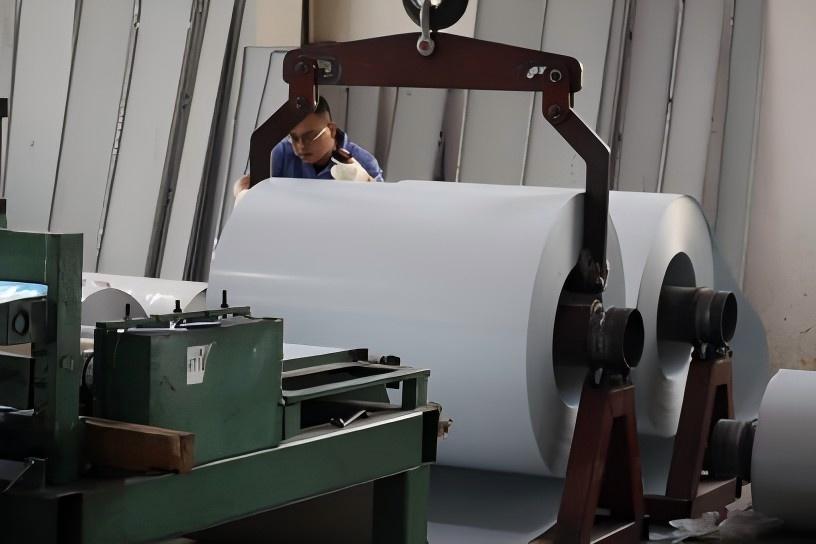
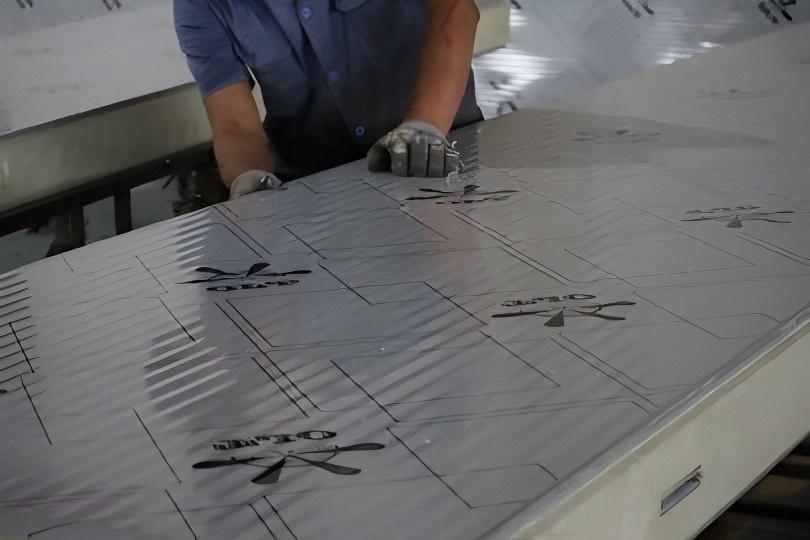
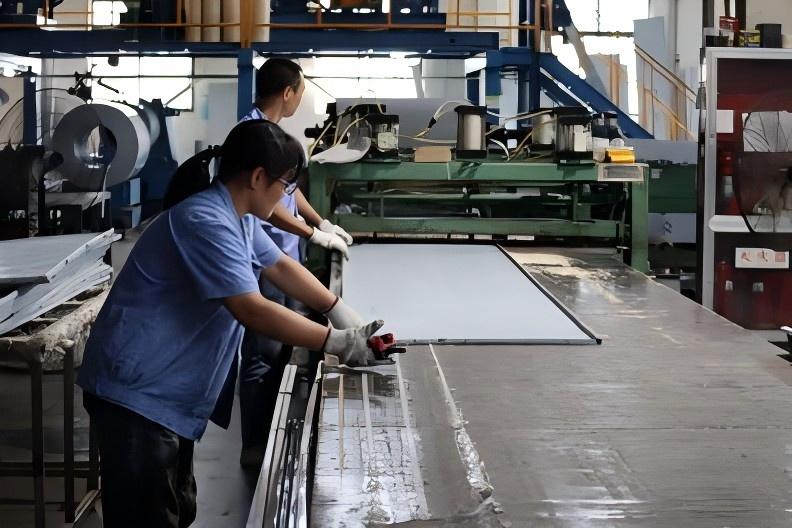
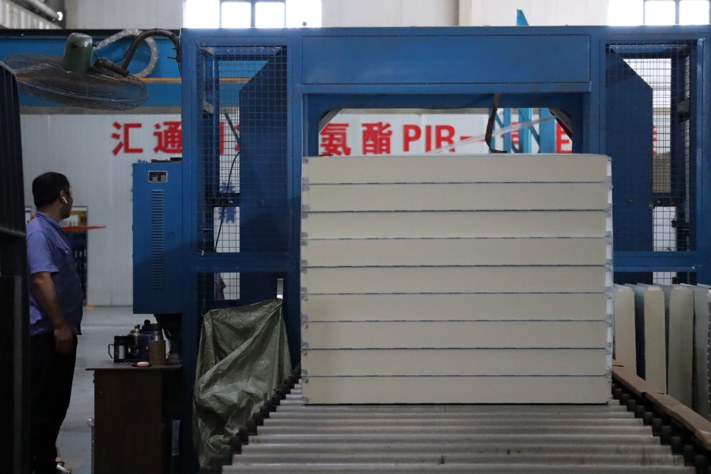
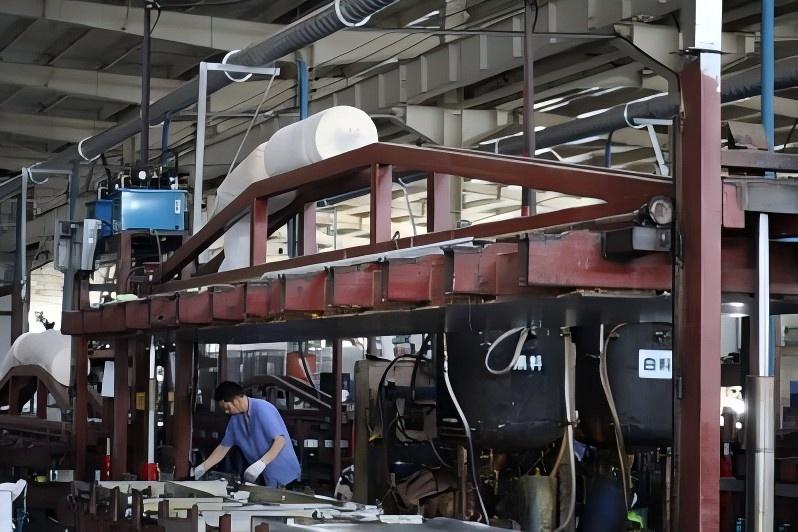
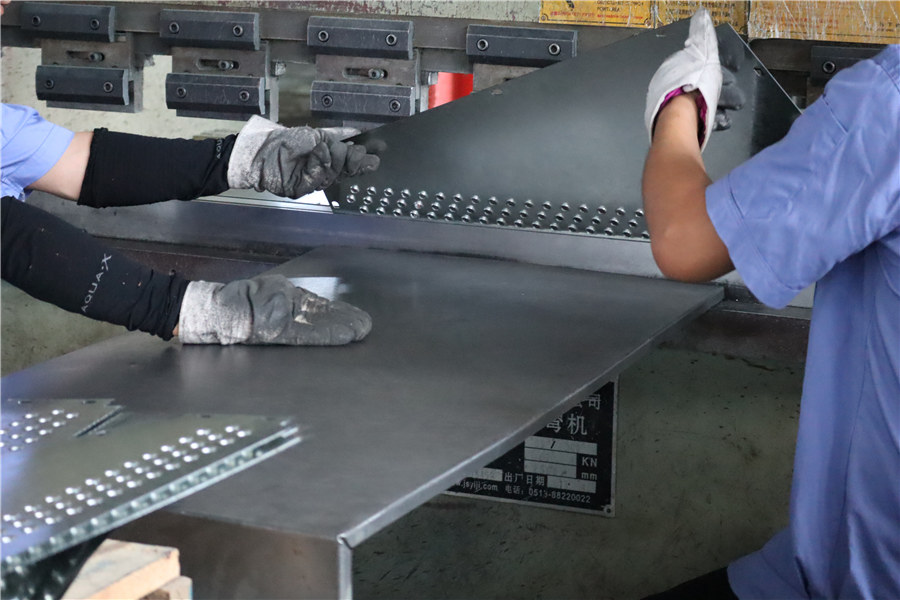
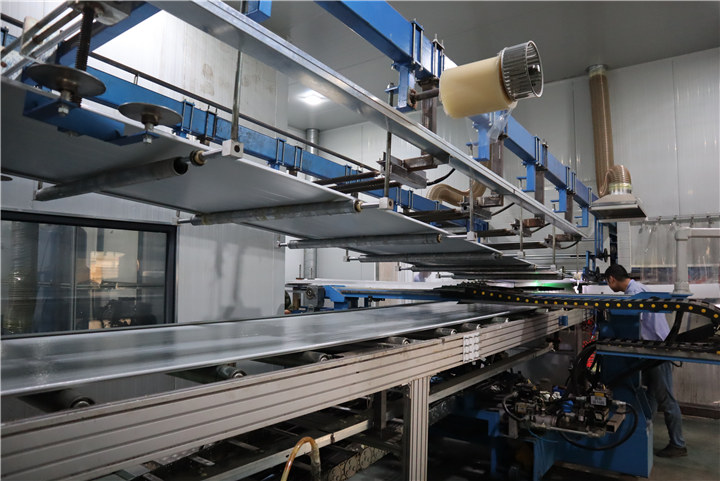
At our centralized 60,000-square-meter facility, we run four standardized workshops optimized for heavy manufacturing. The centerpiece of our production capability is our continuous double-belt high-pressure foaming sandwich panel production line. Unlike outdated discontinuous lines that suffer from air voids and inconsistent core density, our continuous line runs under strict computerized control.
This high-precision process introduces pre-blended polyol and polyisocyanate formulations under high pressure onto the metallic facings (galvanized steel, Galvalume, or stainless steel). As the materials react, the continuous double-belt system applies uniform temperature and physical restraint, ensuring a constant core density of 40 to 42 kg/m³. This uniform density is crucial for eliminating thermal bridges and guaranteeing an ultra-low thermal conductivity coefficient ($\lambda \le 0.019-0.021\text{ W/m}\cdot\text{K}$ for PIR).
A technical guide to selecting the optimal thermal insulation system based on mechanical and thermal dynamics.
| Performance Parameter | Polyurethane (PUR) Core | Polyisocyanurate (PIR) Core | Structural Facings Options |
|---|---|---|---|
| Thermal Conductivity ($\lambda$) | $\approx 0.022\text{ W/m}\cdot\text{K}$ (Initial) | $\le 0.019\text{ W/m}\cdot\text{K}$ (Optimized) | Galvanized Steel, SS304, Aluminium Foil |
| Core Density | $38 - 40\text{ kg/m}^3$ | $40 - 42\text{ kg/m}^3$ | Custom ranges up to $45\text{ kg/m}^3$ |
| Fire Behavior (EN 13501-1) | Class B2 / Class E | Class B-s1, d0 (Highly Self-extinguishing) | Non-combustible surface coatings |
| Compressive Strength | $\ge 120\text{ kPa}$ | $\ge 150 - 200\text{ kPa}$ | Governed by facing profiling |
| Water Absorption | $\le 2.0\text{ vol}\%$ | $\le 1.0\text{ vol}\%$ | Completely vapor-barrier jointing |
| Operational Temp. Range | $-60^\circ\text{C}$ to $+80^\circ\text{C}$ | $-200^\circ\text{C}$ to $+120^\circ\text{C}$ | Resistant to thermal expansion fatigue |
PIR (Polyisocyanurate) represents an evolutionary leap over standard polyurethane. The core formulation utilizes a higher ratio of excess MDI reactant, which, under the influence of dedicated trimerization catalysts, forms ring-structured chemical links. These cyclic structures require significantly higher thermal energy to break, allowing the panels to build an insulating carbonaceous layer (char) under direct flame exposure. This char layer blocks oxygen penetration, preventing fire spread and minimizing toxic smoke output (yielding the s1 smoke category).
Bespoke thermal architecture for global infrastructure developers and plant managers.
Large distribution warehouses require structural envelope integrity that stands up to constant thermal cycling. YSHT designs continuous sandwich panel configurations with tongue-and-groove jointing, combined with industrial cam-lock mechanisms to create air-tight envelopes. This configuration minimizes temperature fluctuation, keeping agricultural and frozen foods stable while reducing compressor energy use.
Strict GMP medical facilities require zero-leak environmental isolation. Our composite sandwich panels use non-outgassing cores faced with anti-bacterial, chemical-resistant PVC coatings. These coatings hold up under harsh washdown schedules and chemical sanitizers. Flush vertical joints prevent dust buildup, ensuring cleanrooms maintain class ISO 5 to ISO 8 cleanliness.
For chemical, meat-processing, and packaging plants, our panels provide durable fire protection (Class B-s1, d0) and high load capacity. Using thick structural metal facings up to 0.8 mm, these panels handle large wind load spans without needing secondary structural frames. This reduces structural steel costs and speeds up installation schedules.
Developing next-generation thermal isolation systems for sustainable and smart operations.
Transitioning our entire PIR production line to next-generation blowing agents (HFOs). These agents reduce Ozone Depletion Potential (ODP) to zero and Global Warming Potential (GWP) to less than 1, meeting strict global environmental regulations (such as US EPA SNAP and EU F-gas regulations).
Developing structural corner panel systems that eliminate traditional angle flashings. These pre-engineered corner components improve corner insulation and reduce installation time by up to 30%.
Integrating thin micro-sensors into the foam core to monitor temperature gradients, moisture levels, and structural stress. These sensors transmit real-time diagnostic data to facility operators to detect insulation problems before they lead to thermal loss.
A legacy built on precision engineering, manufacturing expansion, and green technology commitment.
Our founder started the business from refrigeration equipment marketing and installation.
With our first factory completed in Shaanxi, we produced our first cam-lock sandwich panels.
The second factory in LanZhou completed, our business started to cover the whole north-west market in China.
Follow with larger business and international business, the Shaanxi factory relocated to a larger fields, now we possess with 120 acers area with 8 advanced workshops.
With more advanced technology in insulation panel industry, we input our first automatic split -joint production line. Here the new chapter begins.
Our second advanced automatic production line put on stream, we reach to a higher productivity and efficiency with better quality.
With the responsibility of sustainability, we are now moving into a eco-friendly factory.
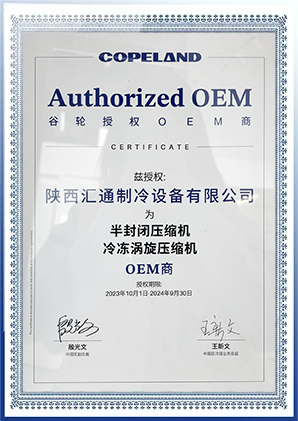
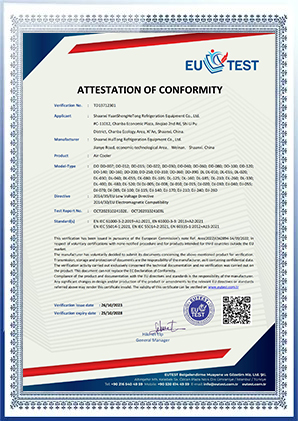
Fully certified and audited products meeting international construction standards.
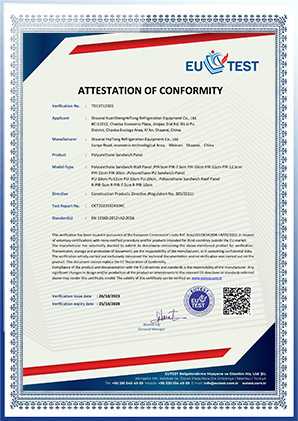
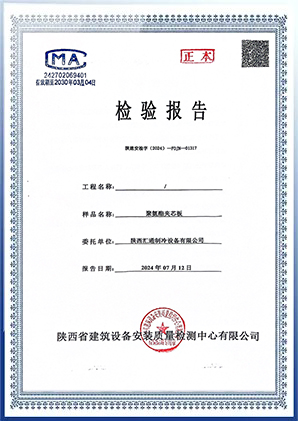
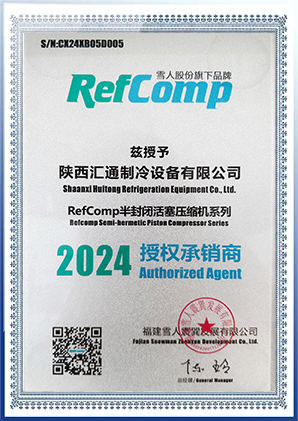
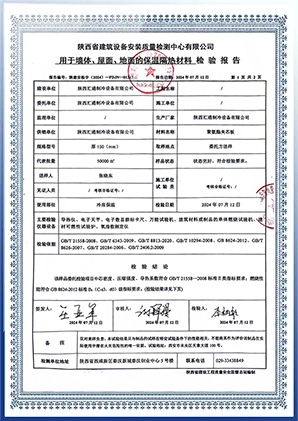
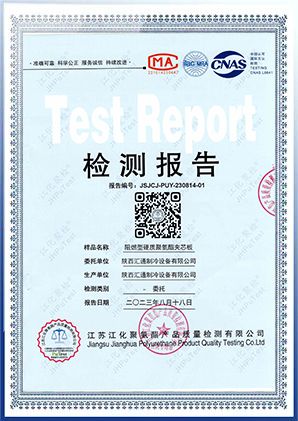
Shipping large-format structural sandwich panels internationally requires proper logistics planning to avoid freight damage and high shipping rates. YSHT manages every step of the export process, including custom packaging, container loading optimization, and international customs documentation.
To prevent transit damage, we protect panel facings with a 50-micron protective polyethylene film, bundle them in custom cardboard packaging, and secure them on heavy timber pallets. By adjusting our manufacturing runs to match high-cube container capacities, we maximize loading density. This reduces shipping costs per square meter of panel by up to 15%.
Critical engineering and installation answers from YSHT's senior design team.
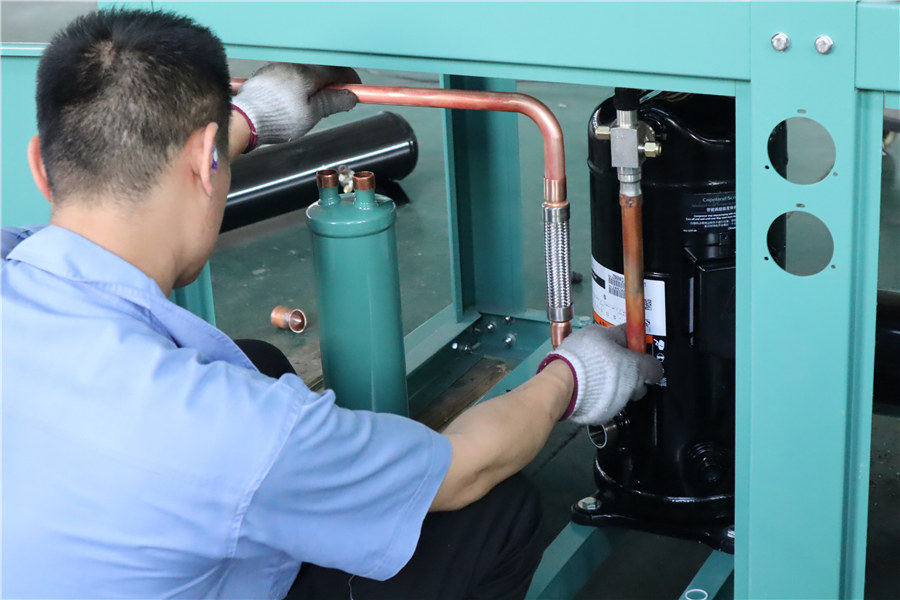
Complete your environmental system installation with certified open-type condensing units, heavy-duty evaporative coils, and multi-compressor racks.
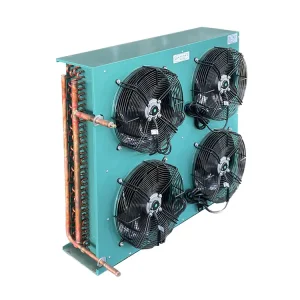
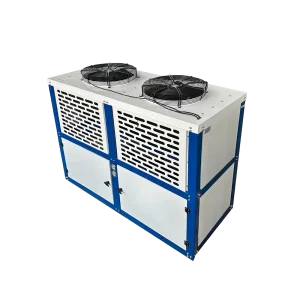
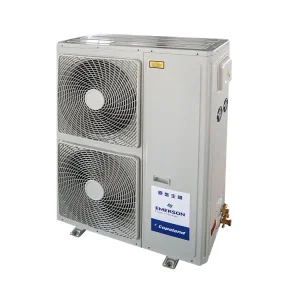
 YuanShengHeTong