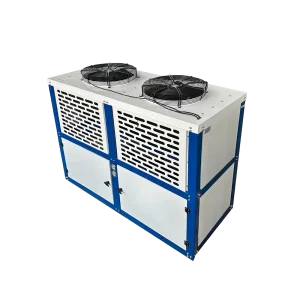
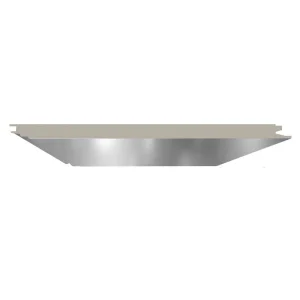
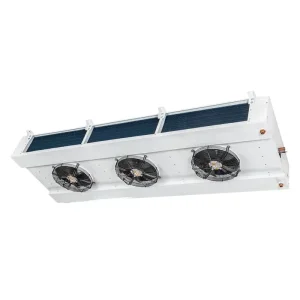
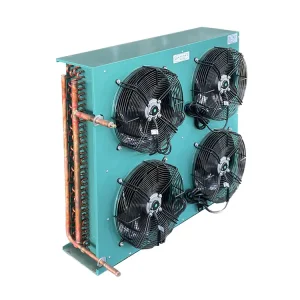
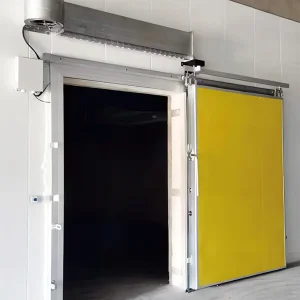
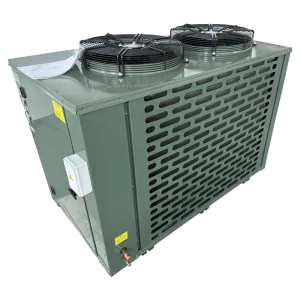
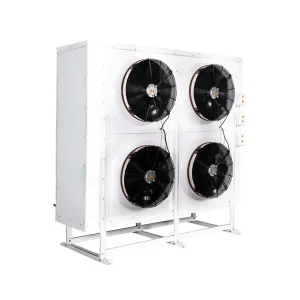
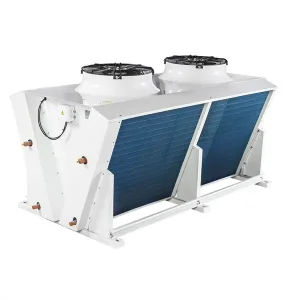
Engineered Evaporators, Industrial Condensers, and Precision Insulated Cold Room Closures.
The critical role of structural insulation in minimizing heat transfer and optimizing thermodynamic stability.
In the modern era of high-efficiency architecture and continuous cold chain supply logistics, structural cladding must deliver far more than basic weather protection. Aluminium sandwich panels, configured with high-performance cores like Polyisocyanurate (PIR) or Polyurethane (PUR), serve as the foundational envelope for cold storage environments, pharmaceutical laboratories, clean rooms, and food processing facilities.
These engineered structures utilize two high-tensile metal facings—often corrosion-resistant prepainted aluminium alloys or galvanized steel—bonded to a high-density, low-thermal-conductivity core. As energy costs soar and global regulatory bodies tighten regulations on structural emission coefficients, the thermodynamic optimization of the building envelope has become a critical engineering priority.
From micro-ribbed configurations designed for architectural beauty to heavy-duty structural roof panels capable of sustaining structural wind loads, modern manufacturers must provide customized solutions. The engineering focus has shifted toward reducing thermal bridging, improving fire resistance classifications, and guaranteeing structural integrity over multi-decade operation cycles.
A comparison of core material configurations demonstrates why Polyisocyanurate (PIR) and Polyurethane (PUR) cores are the preferred choice for thermal control structures globally.
Understanding the engineering differences between PIR, PUR, and alternative insulating cores is essential for proper specification.
| Performance Metrics | Polyurethane (PUR) Core | Polyisocyanurate (PIR) Core | Mineral Rockwool Core | EPS Core (Polystyrene) |
|---|---|---|---|---|
| Thermal Conductivity (W/m·K) | 0.022 – 0.024 | 0.019 – 0.021 | 0.038 – 0.044 | 0.033 – 0.038 |
| Fire Behavior Classification | Class B2 (Flame-retardant) | Class B1 / B-s1, d0 (Self-extinguishing) | Class A1 (Non-combustible) | Class B3 / Combustion-supporting |
| Core Density Range (kg/m³) | 38 – 42 | 40 – 45 | 100 – 120 | 15 – 25 |
| Moisture Absorption Rate | < 1.5% (Closed-Cell > 95%) | < 1.0% (Closed-Cell > 97%) | > 10% (Open Fibrous Core) | < 4.0% (Semi-Closed Cell) |
| Primary Application Fields | General cold room envelopes, standard logistics warehouses | High-security clean rooms, high-risk pharmaceutical warehouses | High fire-hazard zone separation walls, furnace partition linings | Low-cost temporary modular office structures |
How regional climate variations and regulatory requirements shape composite insulation configuration design.
Deployments in Southeast Asia and coastal South America require panels that resist salt spray corrosion and constant relative humidity above 90%. We utilize customized 0.6mm thickness prepainted aluminium skins protected with polyvinylidene fluoride (PVDF) polymer coatings. This prevents galvanic oxidation and surface bubbling, ensuring the structural envelope retains its reflectivity and R-value integrity for over 25 years.
For cryogenic processing systems, quick-freeze tunnels (-40°C), and pharmaceutical vaccine storage vaults, thermal expansion and contraction can damage joints. Our custom cam-lock polyurethane panels incorporate secondary dual-tongue-and-groove joint gaskets. This prevents atmospheric air penetration, thermal bridging, and ice accumulation at panel junctions.
Modern pharmaceutical laboratory environments demand wall systems that stand up to daily chemical washes, hydrogen peroxide sterilization cycles, and static buildup. Our flush-profile sandwich systems feature high-grade, static-dissipative topcoats. They are installed with hidden fasteners to prevent particulate accumulation and simplify cleaning.
An authoritative pioneer in advanced thermal insulation and industrial refrigeration solutions.
Established as a specialized designer, manufacturer, and contractor, Shaanxi YuanShengHeTong Refrigeration Equipment Co., Ltd. is a leading enterprise in insulation panels and refrigeration technology. We deliver comprehensive global services, including mechanical project design, precise engineering construction, specialized system installation, and lifecycle after-sales support.
Our core capabilities range from agricultural preservation (vegetables, fruits, and meat processing plants) to commercial refrigeration systems for hypermarkets, hotels, clean room facilities, and third-party cold logistics providers.
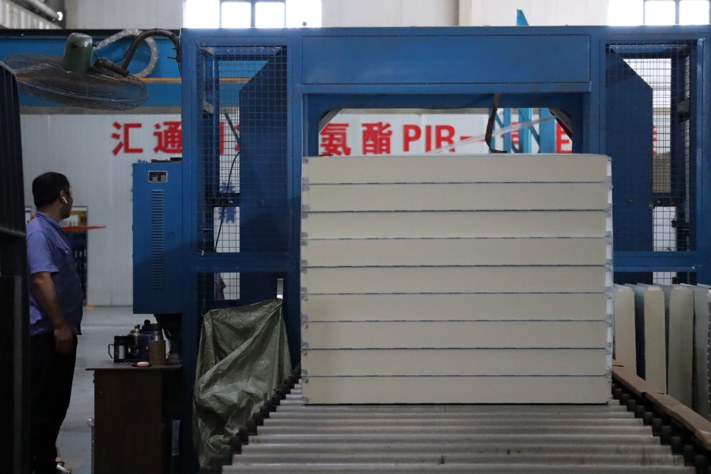
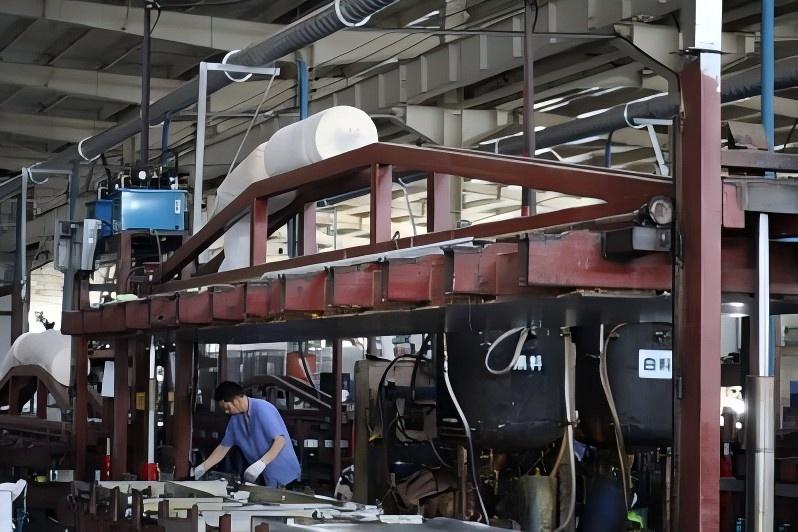
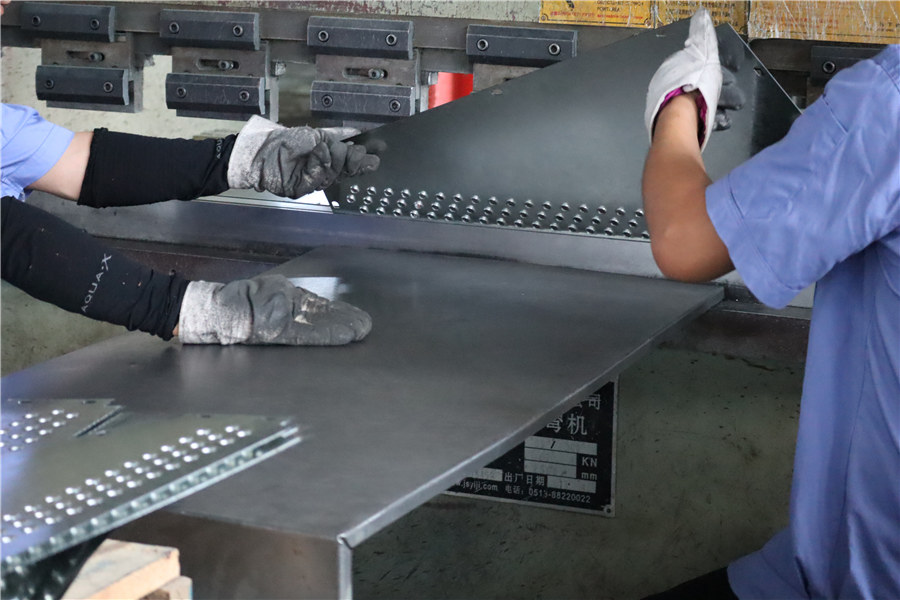
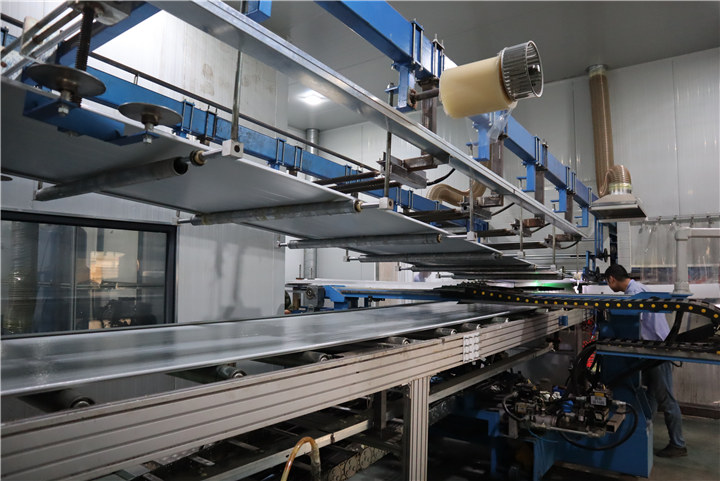
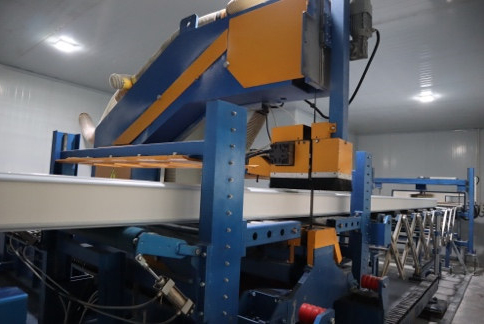
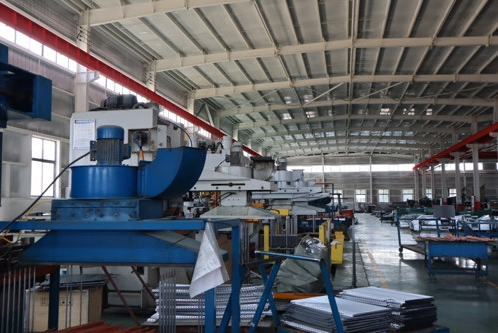
With an extensive manufacturing hub spanning over 60,000 square meters and housing four modern, standardized production workshops, our facility operates high-pressure automatic polyurethane injection lines and continuous double-belt metal-faced lamination systems. This ensures every panel conforms to international quality standards.
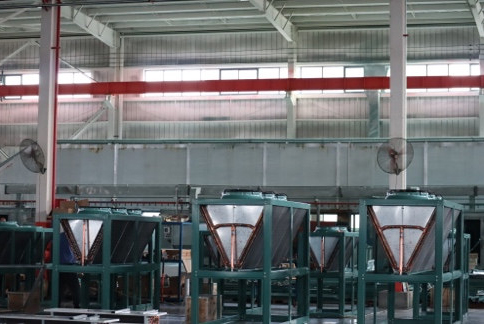
Equipped with high-efficiency production lines and advanced testing laboratories.
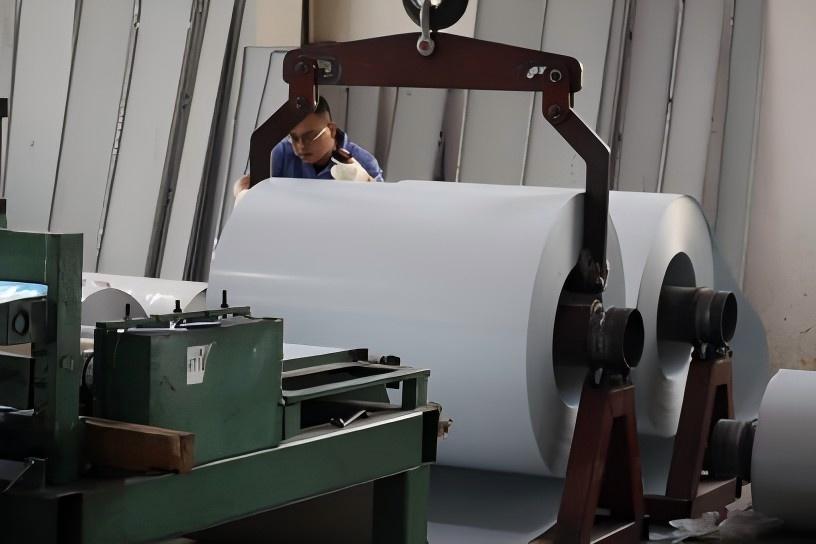
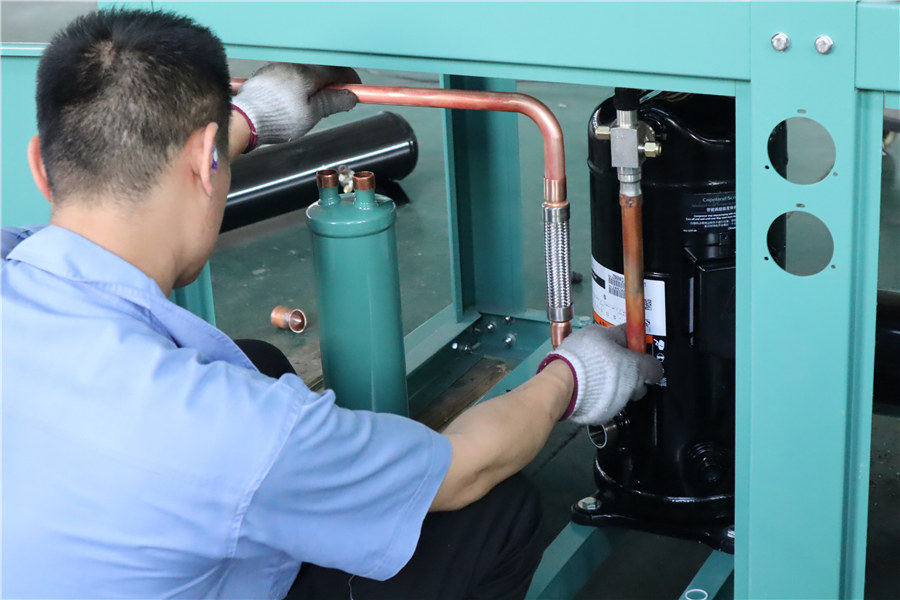
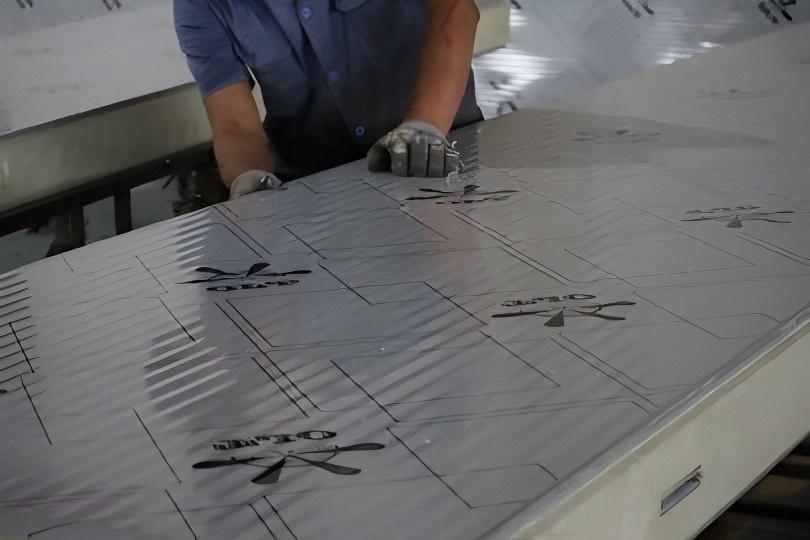
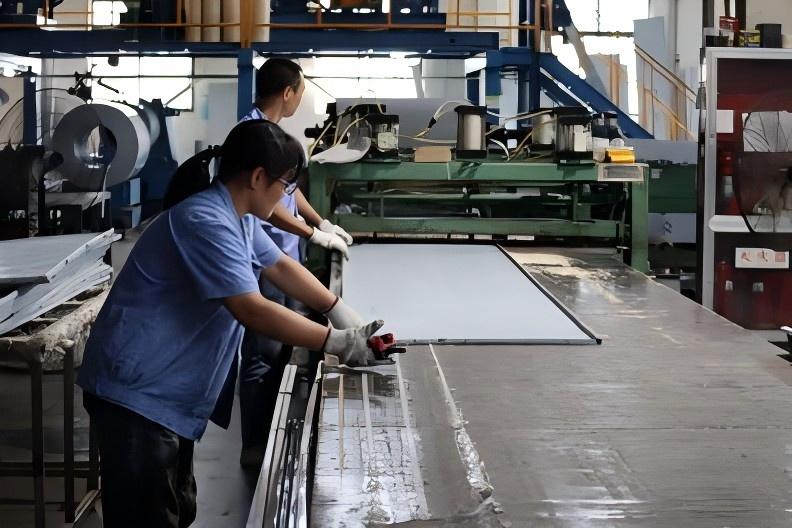
Our progression from a local installation service provider to an international equipment exporter.
Our founder launched the business, focusing initially on refrigeration equipment marketing and installation contracting across regional agricultural markets.
Commissioned our first manufacturing facility in Shaanxi. This factory produced our initial generation of structural cam-lock sandwich panels.
Completed construction of our second factory in Lanzhou, expanding our market coverage across Northwest China's fast-growing cold logistics sectors.
Relocated the main Shaanxi operations to a new 120-acre manufacturing park featuring eight advanced workshops to support growing export demands.
Upgraded our production facilities with a high-speed, continuous automatic split-joint production line, enhancing output consistency.
Commissioned our second advanced automatic production line, optimizing output volume and cell consistency for PIR/PUR panels.
Transitioned our operations toward ecological sustainability by adopting zero-ODP blowing agents and energy-efficient factory practices.
Leveraging domestic metal refining capacities, chemical networks, and seamless transport infrastructure.
Our proximity to major domestic aluminium smelting hubs and petrochemical complexes ensures a steady supply of high-grade raw materials. Direct pipeline access to base isocyanates and polyols allows us to hedge against volatile global market pricing, passing the cost savings directly to our international clients.
By using automated continuous laminators rather than manual press tables, we minimize processing times. This high level of automation reduces labor costs, eliminates dimensional tolerances, and ensures uniform core densities across large production runs.
Located near central rail lines and major ocean ports, our logistics networks support efficient shipping. We pack panels in custom heavy-duty crates to prevent edge damage during transit, ensuring they arrive on-site ready for installation.
Pioneering green chemistry and circular designs to meet global carbon neutrality goals.
Regulatory frameworks such as the European Green Deal and US EPA SNAP rules are tightening requirements for structural envelope emissions. Developing lower-carbon insulation systems is no longer optional—it is a core engineering requirement.
Shaanxi YuanShengHeTong is committed to sustainable innovation. We verify our environmental metrics through international testing agencies to ensure our panels meet strict environmental standards, helping developers achieve higher ratings under LEED and BREEAM certification systems.
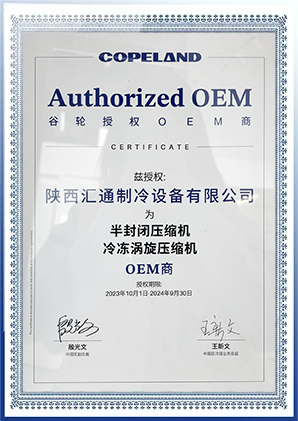
Our products undergo rigorous testing and inspection to ensure reliable performance on site.
We maintain a rigorous quality assurance program. Every batch of raw materials is verified prior to production, and finished panels are checked for dimensional tolerances, core density distribution, and peel strength.
ISO 9001 Certificate
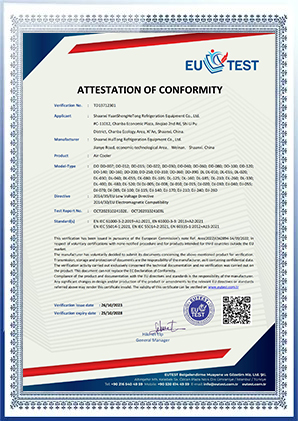
CE Compliance Mark
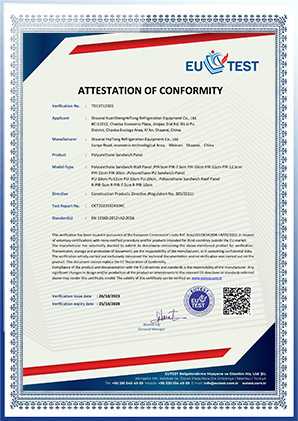
SGS Material Verification
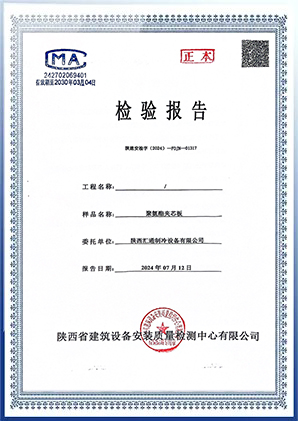
Fire Resistance Class B1
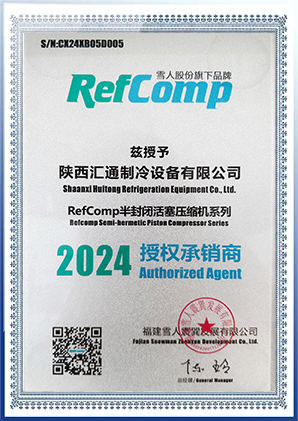
SGS Test Certificate
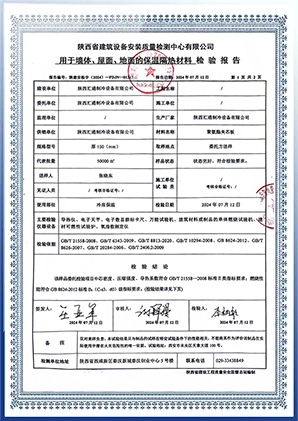
FM Class 1 Compliance
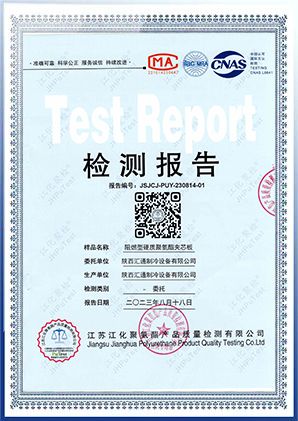
TUV Rheinland Certificate
Detailed technical answers to common questions regarding panel specification, performance, and installation.
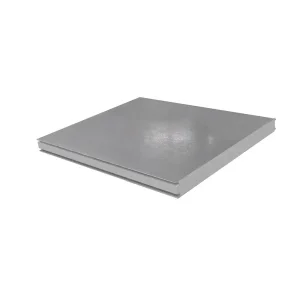
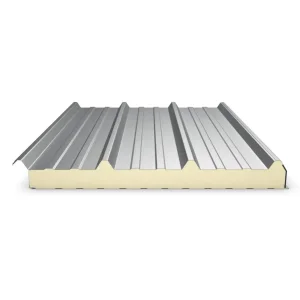
Premium PIR/PUR Cores, Modular Cam-Lock Walk-in Envelopes, and External Weather Cladding.
 YuanShengHeTong