What Is the Best China Sandwich Panel Supplier?

Time:2026-09-11 Author:Oliver
0%

Choosing the best China Sandwich Panel supplier requires more than comparing prices on a product sheet. A reliable supplier should demonstrate factory experience, stable raw materials, verified production controls, and clear technical documentation. Look closely at the panel core, steel thickness, coating system, joint design, thermal performance, and fire classification. Small details matter. A poorly sealed joint can invite moisture, corrosion, and heat loss.

Building-science expert Joseph Lstiburek has said, “There are no perfect walls, only walls that are better than others.” His observation applies well to Sandwich Panel selection. The strongest supplier is not necessarily the largest or cheapest. It is the company that explains limitations honestly and matches its panels to your climate, building use, and installation method. Request recent project references, independent test reports, production photographs, and sample panels before signing a contract. Speak with technical staff, not only sales representatives. Ask how they control density, bonding, dimensional accuracy, and batch consistency.

A factory visit can reveal more than polished brochures. Check storage conditions, cutting equipment, inspection records, and packaging protection. Delivery reliability also matters, especially when one damaged shipment can delay roof or wall installation. Some buyers focus too heavily on headline specifications. That is understandable, but incomplete. Supplier communication, after-sales support, replacement procedures, and export experience deserve equal attention. The final decision should balance performance, evidence, service, and total project cost. There is no perfect choice. There may be a more defensible one.
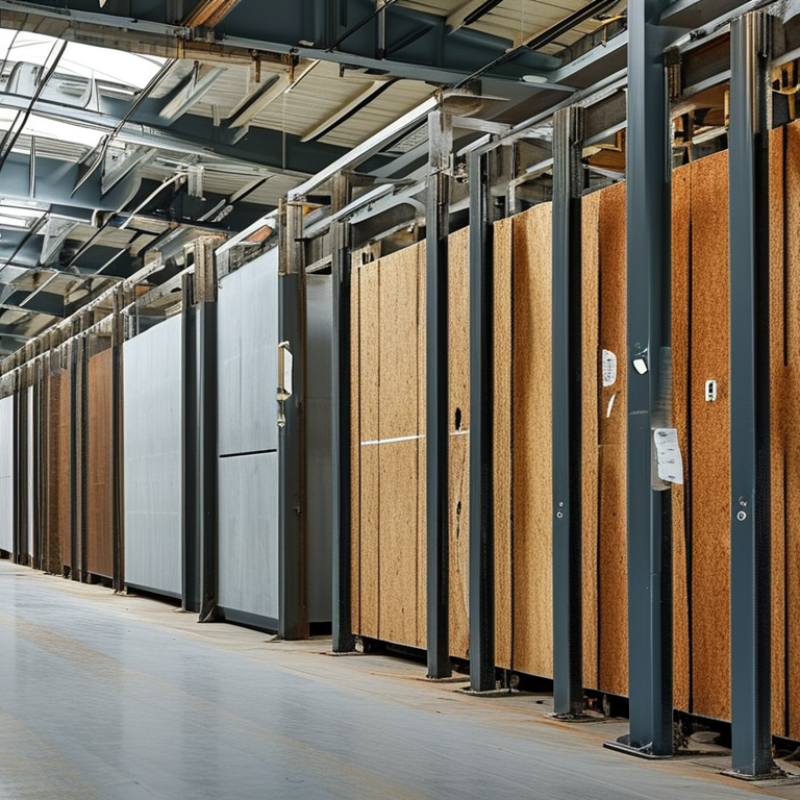
What Is the Best China Sandwich Panel Supplier?

What Is a China Sandwich Panel Supplier?

A China sandwich panel supplier is a manufacturer or exporter providing insulated panels for walls, roofs, cold rooms, and temporary buildings. The panel usually combines two metal skins with a core such as EPS, rock wool, or polyurethane. It is more than a trading company with a product catalogue. A dependable supplier should explain core density, thermal conductivity, fire classification, steel thickness, coating, and joint design. That distinction matters.

The International Energy Agency’s Buildings 2023 report states that buildings consume about 30% of global final energy. It also links buildings to approximately 26% of energy-related emissions. These figures explain why panel insulation deserves careful technical review. A China supplier should provide test results under recognized standards, including EN 14509 where applicable. Factory quality records should cover adhesive bonding, dimensional tolerance, moisture resistance, and surface defects. ISO 9001 certification can support process control, but it does not prove every panel performs well.

The best China sandwich panel supplier is therefore selected through evidence, not only price. Ask for recent production samples, batch reports, fire-test documentation, and photographs of packaging details. Check whether panels arrive with protected edges and clear installation instructions. Freight distance can reduce the initial saving. This is often overlooked. Site conditions also matter; a panel suitable for a dry warehouse may fail in a humid coastal environment. Even experienced buyers sometimes compare only thickness, which is an imperfect shortcut. The details decide.

What Is the Best China Sandwich Panel Supplier?

Thermal conductivity is one of the most useful technical criteria when comparing sandwich panel suppliers. Lower values generally indicate better insulation performance. The chart shows representative values commonly used for major panel core materials.

Representative thermal conductivity values at approximately 10°C. Actual performance varies according to density, thickness, moisture, temperature and certified product testing.

Which Types of Sandwich Panels Are Available?

Sandwich panels combine two protective facings with an insulated core. Their performance depends on the core, thickness, joints, and installation quality. The most suitable type changes with the building’s purpose, climate, and fire requirements.

Expanded polystyrene panels are lightweight and economical. They work well for warehouses, temporary buildings, and general partitions.

Polyurethane and polyisocyanurate panels provide stronger thermal insulation in thinner sections. They are often selected for cold rooms, food facilities, and temperature-controlled spaces.

Mineral wool panels offer better fire resistance and acoustic performance. Their greater weight requires careful structural planning.

Phenolic panels can provide efficient insulation, but availability and handling requirements may vary.

Roof panels usually have deeper profiles and stronger load resistance than wall panels. Cold-room panels need tight joints, smooth surfaces, and reliable sealing around doors and corners. Cleanroom projects may require coated steel facings that resist moisture and frequent cleaning.

I have seen projects choose a cheaper core, then spend more on heating, cooling, and repairs. That decision looked reasonable at first.

No panel fits every project.

A qualified supplier should provide core density, thermal conductivity, fire-test data, coating details, and connection drawings. Check the actual panel samples, not only the catalogue. Local weather, transport damage, and installer skill can change the final result. Even an excellent panel may perform poorly when joints are uneven or fasteners are misplaced. That practical detail is easy to overlook.

How to Evaluate Supplier Quality and Certifications

What Is the Best China Sandwich Panel Supplier?

Supplier quality begins with evidence, not attractive catalog images. Request factory-specific test reports for fire resistance, thermal conductivity, water absorption, density, and panel strength. EN 14509 provides a useful benchmark for insulated metal panels in Europe. However, compliance depends on the tested construction, not only the panel name.

ISO’s 2022 Survey recorded more than 1.2 million ISO 9001 certificates worldwide. This figure shows certification is common, but it does not guarantee consistent production. Check the certificate scope, issuing body, expiry date, and manufacturing address. For laboratory results, confirm that the laboratory holds ISO/IEC 17025 accreditation. Compare report details with the proposed core material, steel thickness, coating, and joint design. A mismatch is a warning sign.

Tips: Ask for recent batch records, incoming steel inspection data, and production photographs. Visit the plant when possible. Inspect roll-forming lines, adhesive application, curing areas, and storage conditions. Samples should be cut open during evaluation. Look for uneven bonding, crushed edges, or visible gaps. The UNEP 2023 Global Status Report states that buildings account for about 34% of global energy demand, making thermal performance commercially important. Still, declared U-values may change after installation. This check is not perfect. Measure assumptions carefully, and require independent verification before placing a large order.

What Factors Affect Pricing, Delivery, and Customization?

Choosing a China sandwich panel supplier requires more than comparing a low quoted price. Pricing usually depends on the core material, steel thickness, coating, dimensions, and fire-performance requirements. A thicker steel skin costs more, but it can reduce dents during installation and transport. Freight distance, export packaging, taxes, and seasonal container rates also affect the final figure. Ask for an itemized quotation.

Delivery depends on production capacity, material availability, inspection schedules, and port conditions. A supplier may promise seven days, yet custom profiles often require drawing approval and special tooling. Request a production schedule with checkpoints, carton counts, loading photos, and tracking documents. This evidence is more useful than a confident promise. Leave time for delays.

Customization affects both cost and project risk. You may specify length, joint design, color, insulation density, acoustic performance, and cutouts for doors or services. Every change should appear on a signed technical drawing before production. Confirm tolerances, relevant test reports, warranty terms, and replacement procedures. I have seen projects lose time because an opening was measured from the wrong reference line. That mistake is avoidable, although not every supplier admits it quickly. Compare physical samples, inspection records, technical responses, and communication quality before approving production.

What Is the Best China Sandwich Panel Supplier? - What Factors Affect Pricing, Delivery, and Customization?

Supplier Profile Common Panel Core Typical Thickness Indicative Price
(USD/m², EXW)
Typical MOQ Estimated Production Lead Time Customization Capability Best Application
Economy panel manufacturer EPS 50–150 mm $10–18 300–800 m² 7–15 days Basic colors, standard profiles, cut-to-length service Temporary buildings, warehouses, partitions, and budget projects
Fire-performance focused manufacturer Rock wool 50–200 mm $18–32 300–600 m² 15–25 days Fire-rated assemblies, density options, joint and edge details Industrial buildings, fire-sensitive areas, and public facilities
High-insulation manufacturer PU or PIR 40–150 mm $16–30 300–800 m² 10–20 days Thermal-performance targets, concealed fasteners, profiles, and coatings Cold rooms, food facilities, logistics centers, and energy-efficient buildings
Acoustic and lightweight panel manufacturer Glass wool 50–150 mm $15–27 300–600 m² 12–22 days Perforated or micro-perforated surfaces, acoustic linings, and custom lengths Workshops, equipment rooms, commercial interiors, and sound-control projects
Cleanroom panel specialist EPS, rock wool, or aluminum honeycomb 50–150 mm $22–45 200–500 m² 20–35 days Flush joints, hygienic coatings, doors, windows, coving, and service openings Pharmaceutical, medical, electronic, and food-processing cleanrooms
Project-oriented custom fabricator EPS, PU, PIR, or rock wool Customized $18–40+ 100–500 m² 20–40 days Nonstandard dimensions, mixed cores, special coatings, drawings, and accessory packages Complex commercial, industrial, modular, and export projects
Pricing and procurement factors: The figures are indicative EXW ranges for standard metal-faced panels and may vary according to steel thickness, coating type, core density, panel length, order volume, packaging, accessories, testing requirements, exchange rates, and raw-material costs. Freight, export documentation, insurance, taxes, and installation are normally quoted separately.
Supplier evaluation checklist: Compare verified technical data, fire and thermal test reports, sample quality, production capacity, quality-control procedures, packaging standards, warranty terms, communication speed, and the supplier’s ability to meet the required delivery schedule.

How to Select the Best Supplier for Your Project

Selecting the best China sandwich panel supplier starts with your project conditions, not a catalog price. Define panel thickness, core material, fire rating, thermal target, surface coating, and joint design. A cold-storage wall needs different performance from a warehouse partition. Write these details into a technical specification. It prevents vague quotations and expensive changes later. That sounds basic.

Ask for test reports and verify the issuing laboratory, test date, and tested assembly. Request physical samples, then inspect edge alignment, coating consistency, panel flatness, and tongue-and-groove accuracy. Compare the sample with technical drawings. Experienced suppliers should explain tolerances, not only promise performance. Check production capacity through schedules, equipment details, quality records, and packaging photos. Confirm material traceability.

Review the contract carefully. Include dimensions, colors, quantities, accessories, delivery terms, warranty conditions, and inspection procedures. Ask for references from projects with similar weather and building use. A cheap quote may omit flashings, fasteners, sealants, or unloading costs. That omission matters. Consider an independent inspection before shipment. For sensitive projects, test one sample installation before mass production. Perfect selection is unrealistic; buyers can still miss local code details or site constraints. Leave room for engineering review, and notice whether the supplier documents changes clearly.

FAQS

: What does a China sandwich panel supplier provide?

: It manufactures or exports insulated panels for walls, roofs, cold rooms, and temporary buildings. Panels usually contain two metal skins and an insulated core. A reliable supplier explains density, thermal conductivity, fire performance, steel thickness, coating, and joint design.

Which sandwich panel cores are available?

Common cores include expanded polystyrene, polyurethane, polyisocyanurate, mineral wool, and phenolic insulation. Expanded polystyrene is light and economical. Polyurethane and polyisocyanurate offer strong insulation in thinner panels. Mineral wool improves fire resistance and sound control.

How should I choose between wall and roof panels?

Roof panels usually have deeper profiles and stronger load resistance. Wall panels focus more on appearance, insulation, and connection details. Consider weather, building use, structural loads, and installer skill. One panel cannot suit every project.

Which panels suit cold rooms and clean areas?

Cold-room panels need tight joints and dependable sealing around doors and corners. Smooth surfaces help cleaning and moisture control. Clean areas may need coated steel facings that resist moisture and frequent washing. Small gaps can cause large performance problems.

What information should I request from a supplier?

Request recent samples, core density, thermal conductivity, fire-test documents, coating details, and connection drawings. Ask for production records covering bonding, dimensions, moisture resistance, and surface defects. Packaging photographs are useful. Inspect the sample, not only the catalogue.

What affects sandwich panel pricing?

Price depends on core type, panel thickness, steel thickness, coating, dimensions, and fire requirements. Freight, export packaging, taxes, and seasonal transport rates also affect costs. Request an itemized quotation. A low factory price may not mean a low project cost.

How can I control delivery and customization risks?

Request a production schedule with drawing approval dates and inspection checkpoints. Confirm carton counts, loading photographs, and tracking documents. Every custom change should appear on a signed technical drawing. Leave time for delays.

Does thicker insulation guarantee better performance?

No. Joint design, installation quality, core density, and moisture conditions also matter. A thick panel can perform poorly when fasteners are misplaced. I once trusted thickness alone. That was not enough.

Conclusion

Choosing the best China Sandwich Panel supplier requires more than comparing prices. A reliable supplier should offer a clear product range, including panels for walls, roofs, cold rooms, fire-resistant applications, and different insulation requirements. Buyers should review the supplier’s manufacturing capabilities, material specifications, quality-control procedures, and relevant certifications. Attention should also be given to core materials, panel thickness, surface coatings, structural performance, and resistance to fire, moisture, and temperature changes.

Pricing can be affected by raw materials, panel dimensions, insulation type, order volume, packaging, shipping distance, and customization requirements. Delivery reliability and communication are equally important, especially for projects with strict construction schedules. Before making a decision, request technical documents, samples, production details, inspection arrangements, and a complete quotation. The most suitable supplier is one that combines consistent quality, transparent pricing, practical customization, dependable delivery, and responsive after-sales support while meeting the project’s technical and regulatory requirements.

Oliver

Oliver

Oliver is a seasoned marketing professional with a wealth of expertise in driving brand awareness and engagement. With a deep understanding of our company's product offerings, he consistently delivers high-quality content that enriches our professional blog. His insights not only shed light on......