In the evolving landscape of industrial machinery, understanding the different types of piston compressors is crucial for global buyers. Experts in the field recognize the significance of selecting the right compressor for varied applications. John Mitchell, a prominent figure in the compressor industry, once stated, "Selecting the right piston compressor can greatly enhance operational efficiency."
Piston compressors are widely used in many sectors, from manufacturing to automotive applications. Their ability to deliver high-pressure air makes them a staple. However, not all piston compressors are created equal. Buyers must navigate the myriad of options available in the market today. Some products may not meet reliability standards. The choice between single-stage and two-stage compressors can significantly affect performance and energy consumption.
As buyers delve into this topic, they must consider functionality alongside cost. Certain cheaper models may lack the durability required for heavy-duty tasks. Selecting a piston compressor is more than a simple purchase. It involves considering the long-term investment and understanding that not every option will suit every need. A thorough evaluation is essential to making an informed decision. Balancing needs with options might not always lead to the ideal choice, emphasizing the importance of expert guidance in this endeavor.
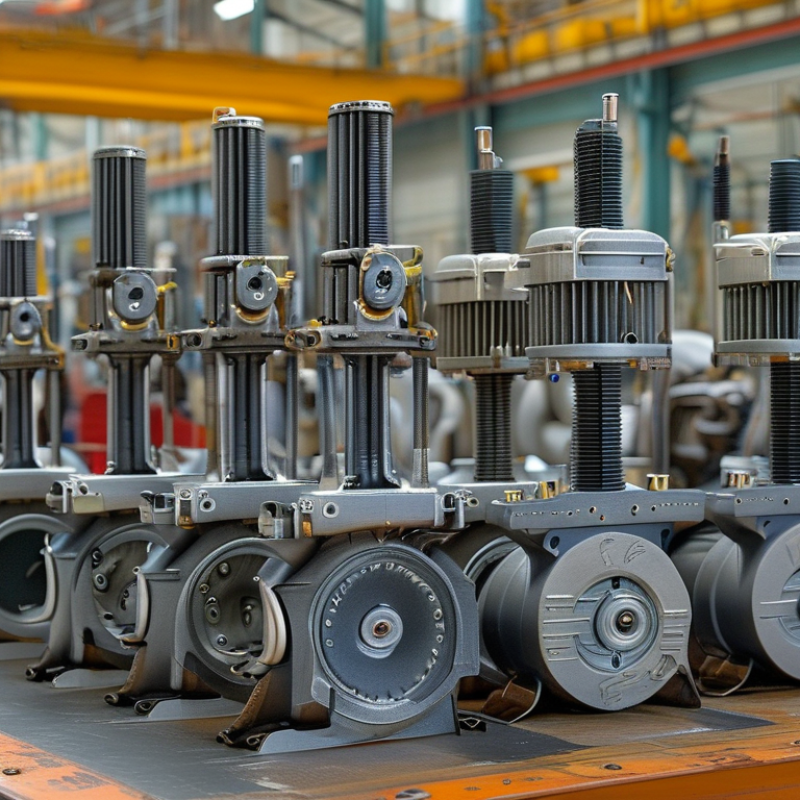
Piston compressors are essential in various industries. They convert mechanical energy into compressed air or gas. This process supports numerous applications, from powering tools to aiding in refrigeration systems. Understanding the different types can help buyers make informed decisions.
There are several piston compressor types. The single-stage compressor is common for light to moderate applications. It compresses air to moderate pressures and is efficient for small workshops. On the other hand, the two-stage compressor handles higher pressure levels. It's ideal for heavy industrial applications requiring consistent performance. Each type has its advantages, and selecting the right one can be challenging.
Some buyers may overlook maintenance needs. Regular checks are crucial for longevity and efficiency. Compressed air systems may face issues like leaks or moisture buildup. These problems can reduce performance significantly. It's essential to evaluate not just the compressor type, but also the entire system and its requirements. A thoughtful approach ensures optimal use and longevity of the equipment.
| Type of Piston Compressor | Working Principle | Typical Applications | Advantages | Disadvantages |
|---|---|---|---|---|
| Single-Stage Piston Compressor | Compresses air in one stroke | Small workshops, home use | Simplicity, low cost | Limited pressure capability |
| Two-Stage Piston Compressor | Uses two cylinders for compression | Industrial applications, automotive shops | Higher efficiency, greater pressure output | More complex, higher cost |
| Oil-Lubricated Piston Compressor | Uses oil for lubrication of internal components | Heavy-duty tasks, manufacturing | Longer lifespan, quieter operation | Potential for oil contamination |
| Oil-Free Piston Compressor | Uses special materials/technology to avoid oil | Food industry, medical applications | Clean air output, less maintenance | Typically more expensive |
| Electric-Powered Piston Compressor | Runs on electric power | Various applications, home and industrial | Easy to use, no fuel requirement | Dependent on electricity supply |
: A piston compressor converts mechanical energy into compressed air or gas for various applications.
Common types include single-stage and multi-stage compressors, each suited for different applications.
Single-stage compressors are ideal for light to moderate applications, like small workshops.
Multi-stage compressors handle higher pressures and are better for heavy industrial use.
Regular maintenance ensures longevity and prevents performance issues like leaks and overheating.
Check the oil level weekly to prevent overheating and ensure proper lubrication.
Clean or replace air filters every few months to maintain efficiency and airflow.
Unusual vibrations may signal internal problems, so monitor your compressor regularly.
Yes, they may require specialized service, incurring additional maintenance costs over time.
Neglect can lead to costly repairs and reduced efficiency, so regular checks are vital.
This article provides a comprehensive overview of piston compressors, highlighting the various types available to global buyers today. It outlines the key features that should be considered when selecting a piston compressor, ensuring that buyers can make informed decisions tailored to their specific needs.
Additionally, it compares different piston compressor types, showcasing their unique functionalities and advantages across various applications in multiple industries, from automotive to manufacturing. To maximize the lifespan and efficiency of piston compressors, the article also offers essential maintenance tips. This guidance helps users maintain optimal performance and longevity, reinforcing the significance of piston compressors in diverse operational settings.

 YuanShengHeTong