Top 10 Cold Room Condenser Suppliers Worldwide

Time:2026-09-26 Author:Isabella
0%

Cold rooms protect food, medicines, and other temperature-sensitive goods. Their reliability depends on more than insulation and refrigeration capacity. A well-matched Cold Room Condenser must reject heat effectively, tolerate local operating conditions, and support practical servicing. Small details matter: ambient temperature, coil cleanliness, and replacement-part availability can all affect performance.

The scale of cooling makes supplier choice increasingly important. UNEP’s 2023 Global Cooling Watch report says global cooling capacity could more than triple by 2050 compared with 2022 levels. It also identifies cooling as responsible for about 20% of global electricity consumption. These figures underline the value of efficient equipment, though they do not predict the performance of any single product. That depends on system design and real operating conditions.

This overview of ten worldwide suppliers considers product range, application experience, energy-efficiency options, service access, and suitability for different cold-room projects. Those criteria help buyers compare manufacturers beyond headline capacity or price. A strong brand may still be a poor fit for a remote site, a humid climate, or a facility with limited maintenance staff. Rankings are not universal. The right choice depends on the room’s load, operating schedule, refrigerant strategy, and support requirements. Supplier claims also deserve checking against technical documents and project references. That work takes time, and it is easy to overlook.
Top 10 Cold Room Condenser Suppliers Worldwide

Cold Room Condensers: Purpose and Core Components

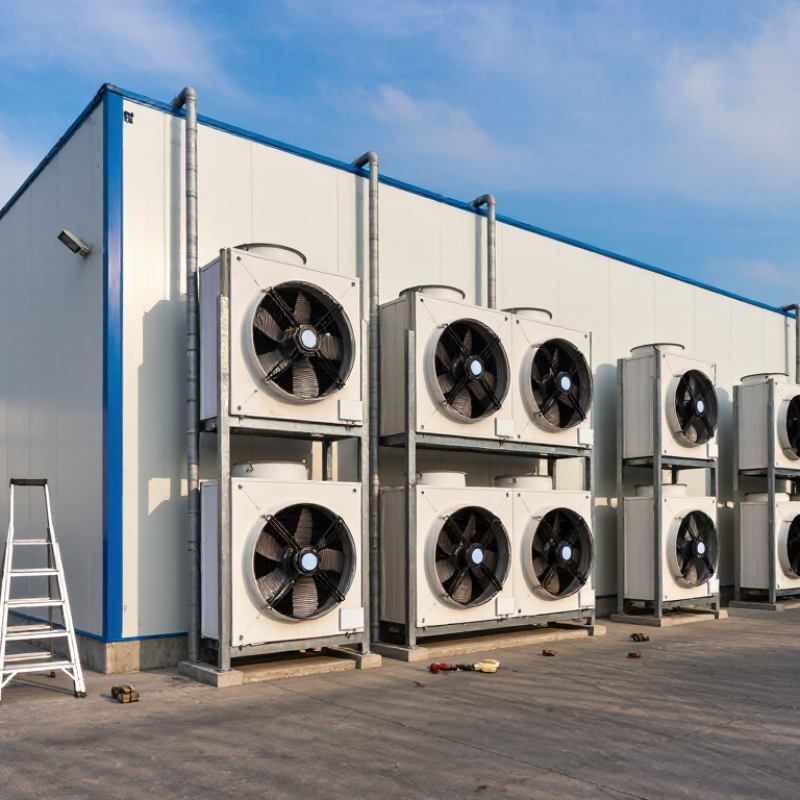
A cold room condenser removes heat from the refrigerant and releases it into the surrounding air. It supports stable storage temperatures by completing the high-pressure side of the refrigeration cycle. Without effective heat rejection, the evaporator cannot maintain reliable cooling.

The condenser coil is the main heat-transfer surface. Copper tubes and aluminum fins carry refrigerant while moving air removes heat. A fan motor drives airflow across the coil, and a protective grille reduces physical damage. Many assemblies also include a receiver, filter-drier, pressure controls, and service valves. The compressor is usually installed nearby, but it is not the condenser itself.

Air-cooled condensers suit many commercial cold rooms because installation is relatively simple. Water-cooled designs can perform well where water quality and maintenance are controlled. I have found that actual performance depends heavily on airflow, ambient temperature, coil cleanliness, and correct refrigerant charging. Small details matter.

Dirty fins reduce capacity quickly. Poor ventilation can cause high discharge pressure. Undersized equipment may run continuously, yet still leave products warmer than expected. Supplier comparisons should examine cooling capacity, operating range, spare-part access, noise levels, and technical documentation. Published ratings are useful, but field conditions are rarely perfect. A careful installer should verify heat load, room usage, door openings, and defrost requirements before selecting a condenser. Mistakes here can become expensive.

Top 10 Cold Room Condenser Suppliers Worldwide — Cold Room Condensers: Purpose and Core Components

This chart is an engineering reference, not a supplier ranking. It shows how R134a saturation pressure rises with temperature, illustrating the pressure conditions involved as a condenser rejects heat and turns refrigerant vapor into liquid.

Core components: heat-exchange coil, fins, fan (in air-cooled units), refrigerant inlet and outlet connections, and a receiver where fitted. Actual operating pressures vary with refrigerant, ambient conditions, and system design.

How to Evaluate Worldwide Condenser Suppliers

Top 10 Cold Room Condenser Suppliers Worldwide

How to Evaluate Worldwide Condenser Suppliers

A strong supplier should provide more than a competitive quotation. Check condenser capacity, operating temperature, airflow, refrigerant compatibility, and expected ambient conditions. A unit designed for 35°C may perform poorly in a 45°C warehouse. Ask for certified performance data, test methods, and sound-level measurements.

Look for documented manufacturing controls. Reliable suppliers can explain tube materials, fin spacing, coating quality, pressure testing, and leak inspection. Request sample inspection records and installation manuals. Experience matters here. A supplier familiar with humid coastal sites may recommend protective coatings and wider fin spacing. That advice can prevent frequent cleaning and early corrosion.

Do not trust laboratory figures alone. Field performance varies with dust, voltage changes, poor airflow, and irregular maintenance. Ask for references from cold rooms with similar capacity and climate. Contact those users directly, if possible. Check warranty terms, spare-part availability, response times, packaging, and export documentation. Delivery promises need evidence, not confidence.

Price deserves careful attention. A cheaper condenser may consume more energy or require costly replacement parts. Compare total ownership costs over five years. Include freight, installation, controls, maintenance, and downtime. Supplier rankings can still be imperfect because public information is uneven. I would record unanswered questions instead of guessing. That small discipline often reveals more than polished sales material.

Profiles of Ten Leading Cold Room Condenser Suppliers

Top 10 Cold Room Condenser Suppliers Worldwide

These ten supplier profiles reflect practical differences in cold room condenser manufacturing.

A northern European producer focuses on low-noise units for supermarkets and urban storage sites.
A Japanese supplier emphasizes precise controls, compact cabinets, and stable operation during frequent door opening.
A German manufacturer is known for heavy-duty frames, service access, and documented factory testing.
One Italian supplier develops modular condensers for food processing rooms with limited installation space.
A North American company offers air-cooled systems for distribution centers, where quick maintenance matters.
A South Korean supplier combines inverter technology with remote monitoring for fluctuating loads.
An Indian manufacturer provides cost-conscious equipment for warm, dusty environments, though buyers should verify corrosion protection carefully.
A Chinese producer supplies broad capacity ranges and configurable fan assemblies, but quality can vary between product lines.
A Turkish supplier serves regional cold-chain projects with practical customization and accessible replacement parts.
An Australian manufacturer designs systems for demanding ambient temperatures and isolated service locations.

Experienced buyers compare more than cooling capacity.

They check refrigerant compatibility, coil coating, fan efficiency, sound levels, and condenser operating limits. Installation records often reveal problems that brochures hide. One overlooked detail is airflow clearance around the unit. Poor spacing can raise discharge pressure and shorten compressor life.

Energy labels help, but actual performance depends on cleaning schedules and local climate. Supplier documentation should include wiring diagrams, pressure data, spare-part availability, and commissioning guidance.

No supplier is perfect. Even a technically strong unit may disappoint when support is slow or maintenance skills are limited.

Comparing Supplier Products, Services, and Market Reach

When comparing ten cold room condenser suppliers worldwide, product fit matters more than catalog size. Each supplier should disclose cooling capacity, refrigerant compatibility, ambient operating range, sound level, and corrosion protection. A condenser performing well at 25°C may lose efficiency beside a hot loading bay. Ask for tested data, not optimistic estimates. Small details matter. Fan motor access, coil spacing, and drain design affect maintenance time. In my experience, clear technical drawings often reveal more than polished sales pages.

Service quality separates dependable suppliers from distant exporters. Compare commissioning support, response times, spare-parts availability, warranty terms, and technician training. A useful supplier can explain pressure readings over a video call and provide a replacement fan within days, not weeks. However, service promises may change by region. Check local service partners, language coverage, and emergency procedures in writing. This is where many comparisons become imperfect; published response times rarely reflect holidays, customs delays, or rural deliveries.

Market reach should be measured by proven installations, not a long country list. Review references from humid ports, dry inland sites, and facilities with unstable power. Suppliers with broad reach may offer standardized parts, but standardization can limit adaptation to unusual room sizes. Smaller specialists may customize faster, yet carry fewer backup components. Request installation records, energy data, and failure histories when available. Leave room for doubt. One supplier’s low purchase price may hide higher cleaning, electricity, or downtime costs across five years.

Key Factors in Selecting a Supplier for Your Project

Choosing a cold room condenser supplier starts with the actual operating conditions, not a catalogue headline. Record room temperature, product load, door-opening frequency, and the hottest expected outdoor temperature. The International Institute of Refrigeration estimates that refrigeration uses about 20% of global electricity, making efficiency worth checking over the equipment’s full service life. UNEP’s 2023 Global Cooling Watch projects cooling demand could more than triple by 2050 under business-as-usual. These broad figures are not cold-room performance guarantees, but they underline why measured efficiency matters.

Ask suppliers for capacity data at your design temperatures, sound levels, corrosion protection, and a clear commissioning plan. Check that local technicians can obtain common parts, such as fan motors and controls, without lengthy delays. Request references for installations with similar loads and climates. Compare warranty exclusions and service response times alongside purchase price. A low quote can conceal costly gaps. I have seen specifications look complete until maintenance access or defrost settings were discussed; those details deserve attention early.

Tips: Ask for selection data at your actual ambient temperature, not just standard test conditions. Get energy figures, exclusions, and service commitments in writing. No checklist catches everything.

Top 10 Cold Room Condenser Suppliers Worldwide - Key Factors in Selecting a Supplier for Your Project
No. Selection Factor What to Compare Evidence to Request Why It Matters
1 Capacity at design conditions Heat-rejection capacity at the project’s design ambient temperature, refrigerant, condensing temperature, and operating conditions. A selection sheet showing the stated rating conditions and capacity, rather than a model’s nominal capacity alone. Condenser output changes with operating conditions. Comparing ratings on a like-for-like basis helps avoid undersizing or unnecessary oversizing.
2 Refrigerant compatibility Approved refrigerants, operating-pressure limits, materials, connections, and any required design changes for the specified refrigerant. Written confirmation of compatibility for the exact model and refrigerant proposed. Refrigerant choice affects equipment design and must align with the refrigeration system and applicable local requirements.
3 Energy performance Fan power, control method, heat-rejection performance, and operating data across relevant ambient and load conditions. Technical data at comparable test conditions, including fan input and the assumptions used in the selection. Energy use depends on both equipment performance and how the system operates; comparable data supports a meaningful lifecycle assessment.
4 Climate and ambient-temperature suitability Permitted ambient range, design ambient temperature, altitude limits where relevant, and performance during peak conditions. Published operating limits and a project-specific selection for the installation location. Local temperature and site conditions affect available heat rejection and may influence system capacity and operating pressure.
5 Coil and corrosion protection Tube and fin materials, protective coatings, and suitability for coastal, humid, industrial, or otherwise corrosive environments. Material specifications, coating details, and documented limitations or maintenance requirements. Exposure conditions can affect coil durability, cleaning needs, and long-term performance.
6 Fan and sound characteristics Fan configuration, speed-control options, electrical characteristics, airflow direction, and sound data with its measurement conditions. Fan and motor data, wiring requirements, and sound-pressure or sound-power figures with test details. These factors affect electrical integration, site comfort, noise compliance, and the condenser’s suitability for its location.
7 Installation and service access Dimensions, operating and shipping weight, lifting points, clearance requirements, connection locations, and access for cleaning or repair. Dimensioned drawings, installation instructions, and the stated service clearances. Checking the installation envelope early helps prevent site, transport, maintenance, and replacement-access problems.
8 Controls and system integration Compatibility with the project’s control strategy, fan staging or speed control, electrical supply, and monitoring requirements. Wiring diagrams, control descriptions, electrical ratings, and a list of required interface signals or accessories. Clear interface information reduces commissioning delays and helps ensure the condenser works correctly with the rest of the system.
9 Compliance and documentation Applicable safety, pressure-equipment, electrical, and environmental requirements for the destination market and installation. Relevant declarations, certificates, technical files, and installation documents for the exact product and jurisdiction. Requirements vary by country and project. Confirming applicability with the supplier and project team helps prevent approval or import issues.
10 Lifecycle support and commercial terms Lead time, spare-parts availability, technical support, warranty scope, service coverage, and delivery terms. Written quotation, warranty conditions, parts list, support contacts, and confirmed delivery schedule. Documented support and terms make suppliers easier to compare and help manage commissioning, maintenance, and downtime risks.

This is a supplier-selection scorecard, not a ranked directory of named manufacturers. Confirm all ratings, compliance requirements, and commercial terms for the specific project and destination market.

FAQS

What is the main purpose of a cold room condenser?

It removes heat from refrigerant and releases that heat into surrounding air. Stable cooling depends on it.

Which parts are commonly found in a condenser assembly?

The main parts include a coil, copper tubes, aluminum fins, fan motor, and protective grille. Some assemblies include receivers, filter-driers, pressure controls, and service valves.

Is the nearby compressor part of the condenser?

No. The compressor is usually installed nearby but remains a separate component. They work together.

Should a cold room use an air-cooled or water-cooled condenser?

Air-cooled models usually offer simpler installation for many commercial rooms. Water-cooled models can perform well with controlled water quality and regular maintenance. The site decides.

What conditions can reduce condenser performance?

Dirty fins restrict heat transfer and reduce cooling capacity. Poor ventilation can raise discharge pressure. Hot loading areas may reduce efficiency.

How should condenser capacity be selected?

Check room heat load, usage, door openings, ambient temperature, and defrost requirements. An undersized unit may run continuously while products remain too warm.

What technical information should suppliers provide?

Request cooling capacity, refrigerant compatibility, operating range, sound level, and corrosion protection. Technical drawings can reveal coil spacing and fan access.

How can service quality be compared between suppliers?

Compare commissioning support, response times, spare parts, warranty terms, and technician training. Ask whether replacement fans can arrive within days. Promises may change.

How should a supplier’s market reach be evaluated?

Review proven installations in humid, dry, and unstable-power locations. A long country list proves little. Installation records matter more.

What hidden costs should be considered during supplier selection?

Include cleaning, electricity, spare parts, repairs, and possible downtime over five years. A low purchase price may not remain low. This deserves careful doubt.

Conclusion

This article explains the purpose of a Cold Room Condenser and the role its core components play in removing heat and supporting reliable refrigeration. It outlines practical ways to evaluate suppliers worldwide, including product range, technical capabilities, manufacturing consistency, customer support, and experience with different project requirements. The article also profiles ten leading supplier types and compares how their products, services, and market reach may vary, helping readers understand the options available without relying on brand recommendations.

Choosing a supplier involves more than comparing prices. Buyers should consider system compatibility, cooling capacity, energy efficiency, operating conditions, delivery timelines, warranty terms, and access to maintenance support. By weighing these factors against the needs and budget of a project, readers can make a more informed decision and select a supplier suited to their installation and long-term operating goals.

Isabella

Isabella

Isabella is a dedicated marketing professional with a sharp focus on driving brand growth and engagement through strategic content creation. With an extensive background in digital marketing, she combines her passion for storytelling with her keen understanding of industry trends to deliver......