Global buyers are reassessing refrigeration as energy prices, food waste, and climate risks increase. The International Energy Agency’s The Future of Cooling report projects global cooling electricity demand could more than triple by 2050, reaching approximately 6,200 TWh annually. Although the report focuses mainly on space cooling, its warning also matters inside cold rooms. Every inefficient fan, blocked coil, or poorly sealed door adds operational cost.
This guide examines the Top 10 Cold Room Air Coolers for Global Buyers. It compares airflow, temperature stability, energy performance, corrosion resistance, maintenance access, and compatibility with different refrigerants. Real-world details matter. A cooler may look efficient in a showroom, yet struggle beside a frequently opened loading door. It may also create uneven temperatures across stacked cartons. That weakness is easy to miss.
Professor Toby Peters, a leading cold-chain researcher at the University of Birmingham, has stated, “The cold chain is a vital piece of infrastructure for society.” His observation places equipment selection within a wider responsibility. Reliable cooling protects food quality, medicines, and business continuity. The UNEP-led Cooling Emissions and Policy Synthesis Report also emphasizes efficient equipment and lower-emission refrigerants as important climate measures.
Still, no ranking is universal. Climate, room volume, product load, voltage, and service availability can change the result. Some published efficiency figures are difficult to compare fairly. Buyers should verify testing conditions, warranty terms, spare-part access, and installation requirements before purchasing. The strongest Cold Room Air Cooler is not always the most powerful model. It is the one that remains stable, serviceable, and efficient during ordinary working pressure.
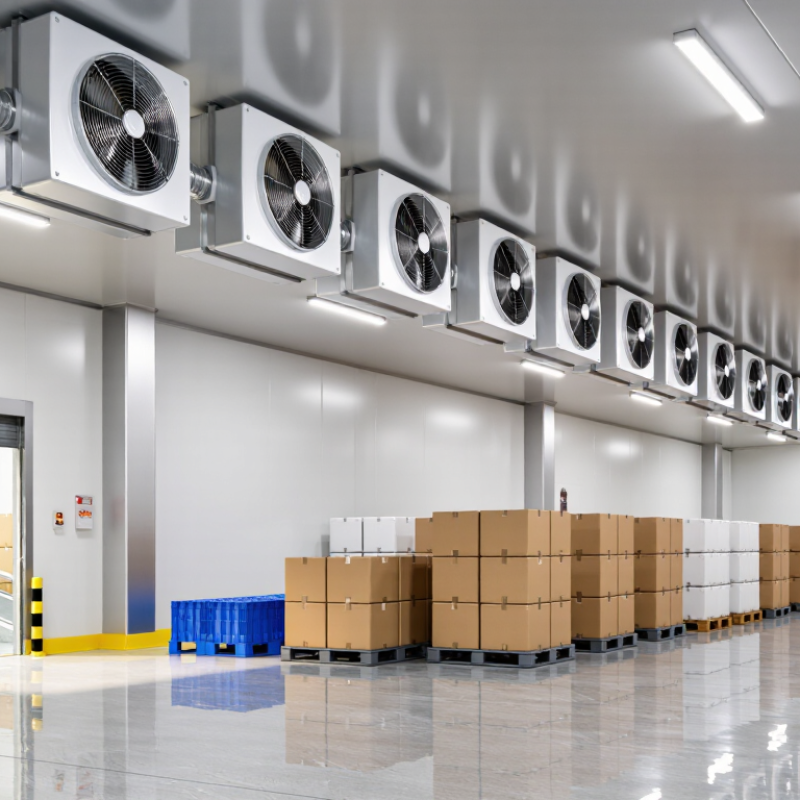
What Defines a Cold Room Air Cooler?
What Defines a Cold Room Air Cooler?
A cold room air cooler is the indoor heat-transfer unit inside a refrigerated storage space. It pulls warm air across a chilled coil and returns cooler air to the room. Its finned coil, fan, drain pan, and defrost system work together. The coil may use refrigerant or chilled glycol, depending on the refrigeration design.
That is the core definition.
A cooler is not a magic box. Its performance depends on airflow, room insulation, product load, humidity, and operating temperature. In practical inspections, blocked fins often reduce cooling more than buyers expect. Frost can also restrict airflow and increase energy use. Low-temperature rooms usually need electric, hot-gas, or off-cycle defrost protection. The correct choice depends on the application, not only the catalogue capacity.
Global buyers should compare cooling capacity at the actual evaporating temperature. They should also check fan power, noise, corrosion resistance, drain heating, and service access. Stainless steel construction can suit humid or washdown environments, while coated materials may fit less demanding rooms. Ask for airflow data, defrost details, safety documentation, and tested performance conditions. A unit may appear efficient on paper but perform differently after installation. That gap deserves attention. Temperature sensors should be positioned away from direct discharge air. Otherwise, readings may look stable while stored products warm unevenly.
How Cold Room Air Coolers Work
How Cold Room Air Coolers Work
A cold room air cooler is an evaporator, not a simple fan. Liquid refrigerant enters its coil and absorbs heat from the stored air. The refrigerant then changes into vapor and returns to the compressor. Fans push air across the cold coil, creating steady circulation around cartons, racks, and pallets. A thermostat controls cooling cycles, while a defrost system removes ice that blocks airflow. In practice, poor airflow often causes warmer corners, even when the display shows the correct temperature.
Airflow matters
Poor airflow can create warmer corners, even when the display shows the correct temperature.
The FAO’s State of Food and Agriculture 2019 report estimates that 14% of food is lost between harvest and retail. Reliable temperature control can reduce part of this loss, but equipment selection matters. Coil capacity, fan volume, room insulation, door opening frequency, and product loading must match actual operating conditions. The International Institute of Refrigeration also identifies cold chains as essential for protecting food quality and safety worldwide. One detail is easy to miss: colder is not always better. Excessive cooling may increase energy use and damage sensitive produce.
Tips
Keep evaporator coils clean and leave clear space around them. Check air temperature at several room points, not only near the sensor. Record door openings and defrost performance weekly. A small data logger can reveal problems earlier than visual inspection. No single setting fits every room.
Key Features for Global Buyers to Compare
When comparing the Top 10 Cold Room Air Coolers, global buyers should examine operating conditions, not only catalog figures. Airflow, cooling capacity, and temperature range must match the room’s size and stored products. A unit for frozen food needs different performance from one used for fresh produce. Check refrigerant compatibility, fan efficiency, defrost method, and heat-exchanger material. Stainless or corrosion-resistant surfaces can improve durability in humid environments. Noise also matters near workers.
Electrical details are easy to overlook. Confirm voltage, frequency, phase, control requirements, and local certification needs before ordering. Drainage design deserves attention too. Poorly placed drain outlets may cause standing water and icing. In practical site checks, installation space often becomes the real limitation. Measure ceiling height, service clearance, door width, and lifting access. A high airflow number can mislead if air distribution creates dry spots or uneven temperatures. I still find that specification sheets rarely show cleaning difficulty. That weakness deserves honest review.
Tips: Compare tested capacity at your intended room temperature. Ask for sound levels, defrost data, wiring diagrams, and maintenance instructions. Check spare-part availability and technician support in your region. Request operating data for both normal and peak conditions. Do not ignore humidity. It affects frost formation, energy use, and product quality. A slightly larger unit is not always better; poor control can increase cycling and waste power. Consider the full service life, not just the purchase price.
Top 10 Cold Room Air Coolers by Use Case
Top 10 Cold Room Air Coolers for Global Buyers
Cold room air coolers should match the product, room size, and operating temperature. For fresh produce storage, choose gentle airflow that limits moisture loss. Meat rooms need washable coils, strong corrosion resistance, and stable temperature control. Seafood storage benefits from coated materials and careful drainage around melting ice.
Dairy rooms require quiet, even cooling near shelves and tanks. Frozen storage needs low-temperature fans, defrost control, and insulation around the evaporator. Pharmaceutical rooms demand validated temperature performance, alarm connections, and documented maintenance. Flowers need soft airflow to avoid dehydration. Small details matter.
Bakery storage benefits from low air velocity and cleanable surfaces. Beverage warehouses usually need wide air distribution across tall pallets. Logistics cross-docking rooms need fast pull-down and reliable restart after frequent door openings. A tenth use case is mixed-product storage, though it is harder to manage. Different products may need separate zones. That can cost more, but one shared setting may damage sensitive goods. Buyers should check refrigerant requirements, voltage, ambient conditions, noise, fan safety, and local service access. Airflow figures on paper can mislead when racks block circulation. A simple smoke test, temperature map, and defrost review often reveal weaknesses before installation.
Installation, Maintenance, and Buying Considerations
Choosing among the top 10 cold room air coolers requires more than comparing cooling capacity. Installation quality affects temperature stability, energy use, and food safety. The International Institute of Refrigeration reports that refrigeration represents about 17% of global electricity consumption. Poor airflow can increase that burden.
Mount the cooler above the product zone, with clear space around the fan and coil. Keep discharge air away from the doorway. Seal panel joints and check door curtains carefully. A small air leak can create frost near the entrance. Drain lines need a visible slope and suitable insulation. Defrost heaters must match the room’s operating temperature. Oversized heaters may waste energy or damage sensitive products. Undersized units may never complete defrosting. That happens more often than expected.
Tips: Record room temperature, suction pressure, coil frost, and door-opening frequency each week. Clean filters and fan guards monthly, while technicians should inspect refrigerant circuits and electrical connections regularly. ASHRAE Handbook—Refrigeration recommends planned maintenance because coil fouling and airflow restrictions reduce system performance. UNEP’s 2023 Global Cooling Watch also projects cooling demand could more than triple by 2050, making efficient equipment selection increasingly important. Buyers should compare tested capacity, operating temperature, defrost method, noise, corrosion resistance, spare-part access, and local service support. Do not trust capacity figures without the stated ambient and refrigerant conditions. A lower-priced unit may become expensive after one difficult winter.
Top 10 Cold Room Air Coolers for Global Buyers
Representative cooling-capacity ranges for common cold-room evaporator configurations, with installation, maintenance, and purchasing factors considered.
Cooling capacity is shown at typical design conditions and varies with room temperature, refrigerant, evaporating temperature, airflow, product load, insulation, and defrost method. Before purchasing, verify capacity at the supplier’s stated conditions, confirm ceiling or wall installation requirements, provide adequate drainage and electrical protection, and schedule regular coil cleaning, fan inspection, drain-pan cleaning, and defrost checks.
FAQS
Match airflow, temperature, moisture control, and cleaning needs to the product. Gentle airflow suits flowers and fresh produce. Meat storage needs washable coils and corrosion resistance. Frozen rooms need low-temperature fans and defrost control.
Choose gentle, even airflow to reduce moisture loss. Avoid strong air jets against exposed vegetables. Keep products away from direct discharge air. Small airflow changes can affect shelf life.
Select washable coils, corrosion-resistant materials, and stable temperature control. Seafood rooms also need coated surfaces and careful drainage around melting ice. Keep standing water away from walkways.
Dairy rooms need quiet cooling near shelves and tanks. Bakery rooms benefit from low air velocity and cleanable surfaces. Flowers require soft airflow because dehydration happens easily. Not always obvious.
Use low-temperature fans, suitable insulation, and reliable defrost control. Defrost heaters must match the room temperature. Oversized heaters waste energy. Undersized heaters may never finish defrosting.
Beverage warehouses need wide air distribution across tall pallets. Logistics rooms need fast pull-down and dependable restart after frequent door openings. Leave clear airflow paths between racks. A simple smoke test can expose blocked circulation.
Pharmaceutical rooms need validated temperature performance, alarm connections, and documented maintenance. Mixed-product rooms are more difficult to control. Separate zones may protect sensitive goods, but they cost more. One shared setting may cause damage.
Mount the cooler above the product zone. Leave clear space around the fan and coil. Keep discharge air away from doors. Seal panel joints and inspect door curtains. Insulate sloped drain lines. Small leaks can create frost near entrances.
Record room temperature, suction pressure, coil frost, and door openings weekly. Clean filters and fan guards monthly. Inspect refrigerant circuits and electrical connections regularly. Look for repeating faults. They may reveal poor airflow or weak defrosting.
Compare tested capacity under stated ambient and refrigerant conditions. Check operating temperature, defrost method, noise, corrosion resistance, spare parts, and local service. Paper airflow figures can mislead when racks block circulation. A cheaper unit may cost more after one harsh winter.
Conclusion
A Cold Room Air Cooler is a specialized cooling system designed to maintain stable, low temperatures in refrigerated rooms, storage areas, and temperature-sensitive workspaces. Unlike ordinary fans or household air conditioners, it combines controlled airflow, heat removal, humidity management, and durable components suited to demanding environments. This guide explains how these systems circulate warm air through a cooling unit, remove heat, and return chilled air evenly throughout the room.
For global buyers, the most important comparison points include cooling capacity, energy efficiency, temperature range, airflow distribution, noise level, corrosion resistance, control options, and compatibility with local power systems. The top ten choices are organized by practical use cases, helping readers match equipment to food storage, logistics, commercial operations, or compact facilities. The article also highlights proper installation, routine cleaning, condensate management, filter inspection, safety checks, and long-term service needs. Careful evaluation of room size, insulation, climate, maintenance access, and total operating cost can support a reliable and cost-effective purchase.

 YuanShengHeTong