What is a Refrigeration Condenser and How Does It Work?

Time:2026-06-25 Author:Sienna
0%

The Refrigeration Condenser is a vital component in cooling systems. Its role is to convert refrigerant gas into liquid. This process involves releasing heat absorbed from the environment. Understanding how this device functions can enhance your knowledge of refrigeration technology.

Every refrigeration condenser operates under principles of thermodynamics. When the refrigerant enters the condenser, it is under high pressure and temperature. It moves into coils, allowing airflow to cool it down. This change transforms the refrigerant from gas to liquid. Without this crucial step, cooling systems would fail.

While the technology is reliable, some common issues can arise. Blockages or leaks in the condenser can affect efficiency. Regular maintenance is essential for optimal performance. It’s critical to recognize signs of wear. Taking proactive measures can prevent costly repairs down the line.
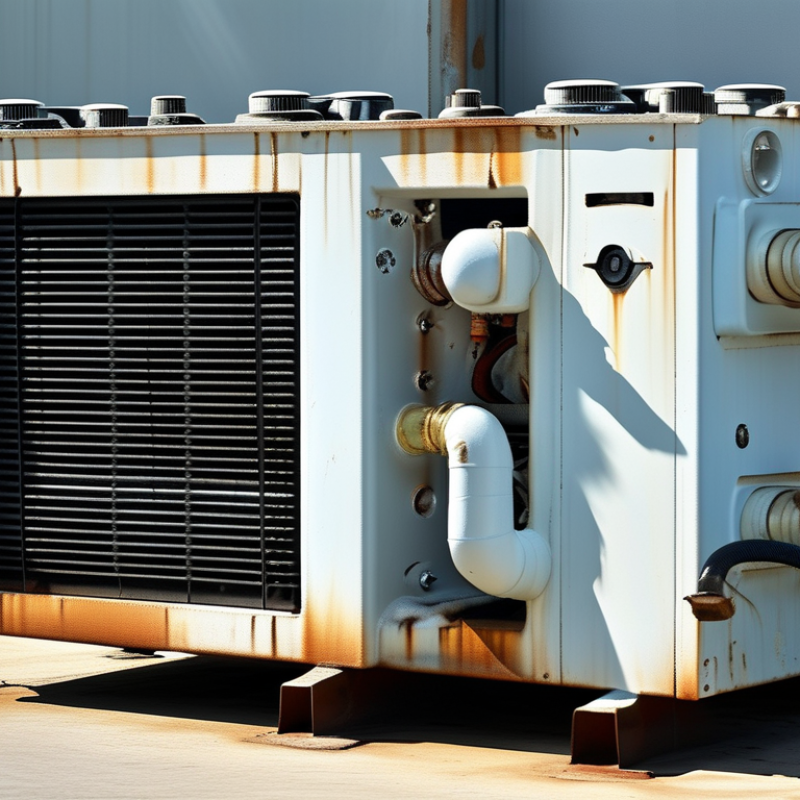
What is a Refrigeration Condenser and How Does It Work?

What is a Refrigeration Condenser?

A refrigeration condenser plays a vital role in cooling systems. It's a crucial component in air conditioning and refrigeration. Essentially, it converts refrigerant gas into a liquid. This process releases heat, allowing the refrigerant to flow through the system effectively.

Inside a condenser, warm refrigerant gas enters and moves through coils. As the gas passes, it loses heat to the surrounding air. This heat exchange causes the refrigerant to condense. The resulting liquid then travels to the expansion valve, completing the cycle. It's interesting how this process is pivotal for maintaining a cool environment.

**Tips:** Ensure proper airflow around the condenser. Obstructions can hinder its efficiency. Regularly check for dirt or debris build-up on coils. A clean condenser performs better and lasts longer. Consider monitoring refrigerant levels as well. Low levels can strain your system, causing inefficiencies.

Understanding how a refrigeration condenser works can help in maintaining your cooling systems. It’s not just a mechanical part; it’s vital for comfort and safety in various applications. Recognizing its importance can lead to better maintenance practices. Regular evaluations can prevent costly repairs and ensure optimal performance throughout the year.

The Purpose and Function of a Refrigeration Condenser

A refrigeration condenser is a crucial component in cooling systems. Its main purpose is to dissipate heat from refrigerants as they transition from a gas to a liquid state. This heat exchange process occurs when the refrigerant, having absorbed heat from the environment, passes through coils in the condenser. The efficient heat transfer prevents system overloads and enhances overall performance.

The function of a refrigeration condenser directly impacts energy efficiency. According to the U.S. Department of Energy, up to 30% of energy in cooling systems can be wasted if condensers are not functioning properly. Well-maintained condensers can improve the operational efficiency of refrigeration units, leading to significant cost savings. However, many systems experience problems due to neglect or improper design. Regular maintenance and inspections are essential for optimal performance.

Observations in the field show that inefficiencies often arise from dirt and debris buildup on condenser coils. This can lead to increased energy consumption and higher operating costs. In some cases, replacing a condenser may seem necessary, when, in fact, cleaning or minor repairs could suffice. Understanding the role and function of condensers allows professionals to make informed decisions about system maintenance and upgrades.

How Refrigeration Condensers Work: The Process Explained

Refrigeration condensers play a crucial role in cooling systems. They convert refrigerant vapor into liquid, enabling efficient heat exchange. This process begins when warm refrigerant gas enters the condenser from the compressor. As it flows through the condenser coils, the refrigerant releases heat to the outside air.

The heat transfer occurs through a process called convection. The coils are often made of metal, allowing for quick heat dissipation. Fans blow air across the coils, enhancing this transfer. As the refrigerant cools, it condenses into a liquid state. This liquid then travels to the evaporator, where it absorbs heat from the environment, continuing the cycle.

Although condensers are reliable, they can face issues. Common problems include clogs in the coils or failing fans. This can lead to reduced efficiency or even system failure. Regular maintenance is vital in preventing these issues. Understanding how condensers operate aids in recognizing when service is needed, ensuring optimal performance.

What is a Refrigeration Condenser and How Does It Work?

Component Function Operating Principle Common Materials Typical Applications
Condenser Coil Condenses refrigerant from gas to liquid Releases heat absorbed by refrigerant Copper, Aluminum Air conditioning, Refrigerators
Fan Improves airflow across the coil Circulates air to enhance heat exchange Plastic, Metal Outdoor condensers, Refrigeration units
Expansion Valve Controls refrigerant flow into the evaporator Reduces pressure of refrigerant Brass, Stainless Steel Refrigeration systems, HVAC systems
Receiver Holds liquid refrigerant Stores refrigerant until needed Steel, Aluminum Commercial refrigeration, Chillers

Types of Refrigeration Condensers: Air-Cooled vs. Water-Cooled

Refrigeration condensers are vital components in cooling systems. They facilitate heat exchange, converting refrigerant gas into liquid. Two primary types of condensers exist: air-cooled and water-cooled. Each has distinct advantages and disadvantages.

Air-cooled condensers utilize ambient air to cool the refrigerant. They are simpler and require less maintenance. However, they may be less efficient in high-temperature climates. In contrast, water-cooled condensers are more efficient. They use water to absorb heat but can face issues like water quality and availability.

Tips: Regular checks on air filters can enhance air-cooled condenser performance. For water-cooled systems, ensure the water supply is clean and consistent.

Both systems can be effective. Understanding their differences helps in choosing the right type for your needs. Consider your environment and maintenance capabilities. Making an informed choice is crucial to optimizing energy use.

Common Issues and Maintenance Tips for Refrigeration Condensers

Maintaining a refrigeration condenser is vital for optimal performance. A condenser extracts heat from the refrigerant. If it becomes dirty, the system may struggle to cool efficiently. Regular maintenance helps prevent costly repairs.

Clean the condenser coils at least twice a year. Dust and dirt can block airflow. Use a soft brush or specialized cleaning solution to remove debris. For best results, check the coils every few months. Ensure no vegetation or obstacles hinder air circulation around the unit.

Monitor the condenser for unusual noises. Sounds like hissing or banging may indicate issues. Additionally, watch for refrigerant leaks. Such problems require immediate attention. When in doubt, consult a professional for a thorough inspection. This proactive approach can extend the lifespan of your refrigeration system.

FAQS

: What is the primary function of a refrigeration condenser?

: The main function is to dissipate heat, converting refrigerant gas to liquid. This keeps cooling systems efficient.

How does a refrigeration condenser work?

Warm refrigerant gas enters coils, loses heat to surrounding air, and condenses into liquid.

What can happen if the condenser coils are dirty?

Dirt buildup can reduce efficiency, increase energy consumption, and raise operating costs significantly.

Why is regular maintenance of condensers important?

Maintenance prevents issues like clogs and ensures optimal performance, avoiding costly repairs later.

What impact does a well-maintained condenser have on energy costs?

A properly functioning condenser can save up to 30% of energy typically wasted in cooling systems.

Can cleaning a condenser coil be enough instead of replacement?

Yes, often minor repairs or cleaning is sufficient, rather than replacing the entire unit.

What role does airflow play in a condenser's efficiency?

Proper airflow enhances heat dissipation; obstructions can significantly hinder its performance.

What issues can arise from low refrigerant levels in the system?

Low refrigerant levels can strain the system, leading to inefficiencies and potentially causing breakdowns.

How is heat exchanged in a condenser?

Heat exchange occurs through convection as fans blow air across metal coils, allowing quick heat loss.

What should be monitored regularly for optimal condenser performance?

Regular checks on refrigerant levels, coil cleanliness, and airflow are essential for efficiency.

Conclusion

A Refrigeration Condenser is a crucial component in refrigeration and air conditioning systems, responsible for dissipating heat from the refrigerant. Its primary function is to convert the refrigerant gas back into a liquid state after it has absorbed heat from the environment, thereby facilitating the cooling cycle. The operation of refrigeration condensers involves the principles of thermodynamics, where the refrigerant releases heat as it passes through coils, allowing air or water to cool it down.

There are two main types of refrigeration condensers: air-cooled and water-cooled. Air-cooled condensers rely on ambient air for heat dissipation, while water-cooled condensers use water for this purpose. Understanding the common issues, such as leaks or blockages, and implementing maintenance tips can significantly extend the lifespan and efficiency of refrigeration condensers, ensuring they perform optimally in various cooling applications.


Sienna

Sienna

Sienna is a skilled marketing professional with a deep expertise in our company’s core products and services. With a passion for innovation and detail, she plays a pivotal role in crafting insightful blog posts that not only highlight the unique features of our offerings but also provide valuable......