Essential Tips for Choosing the Right Cold Room Condenser?

Time:2026-06-22 Author:Liam
0%

Choosing the right Cold Room Condenser is crucial for efficient refrigeration. A suitable condenser ensures optimal temperature control and energy savings. Factors such as size, capacity, and efficiency ratings directly impact your operation.

In selecting a Cold Room Condenser, consider the specific needs of your space. Different applications demand unique features. For instance, energy efficiency can significantly reduce operational costs in the long run. Not all condensers fit every cold room, making informed choices vital.

Reflect on your past experiences with refrigeration systems. What worked well? What didn’t? Learning from these insights will guide your decision. The right Cold Room Condenser not only meets your current requirements but also adapts to future needs. Your choice should reflect a balance of reliability, performance, and cost.
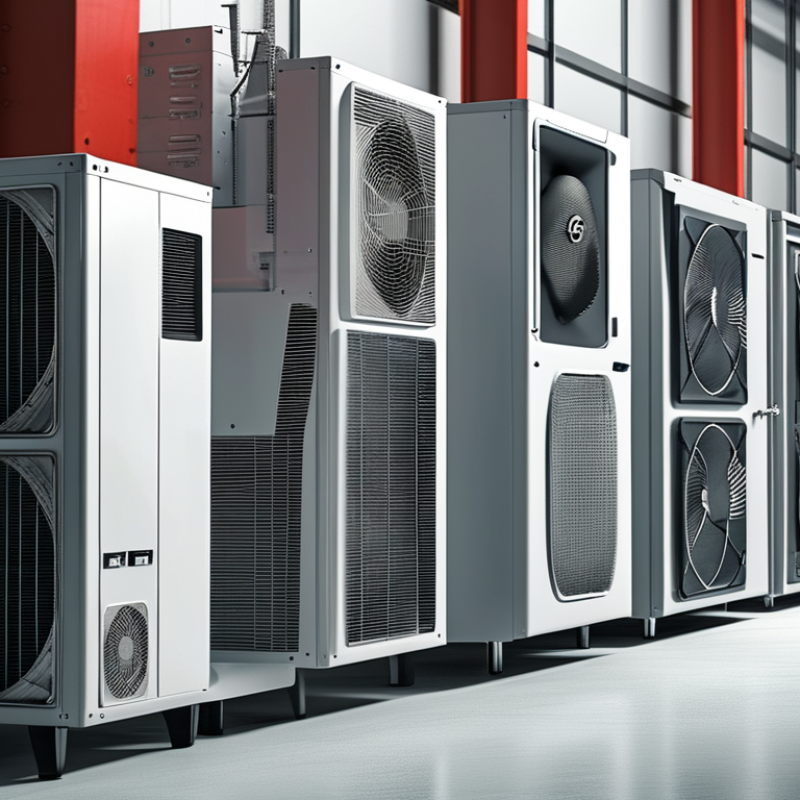
Essential Tips for Choosing the Right Cold Room Condenser?

Understanding the Basics of Cold Room Condensers

Choosing the right cold room condenser is crucial for maintaining optimal temperature and efficiency. Understanding the basics of cold room condensers can help you make informed decisions. A cold room condenser works by removing heat from the refrigerant, allowing it to cool your storage space effectively. Familiarizing yourself with its various components, like fans and compressors, can enhance your selection process.

When selecting a condenser, consider the size of your cold room. An over-sized unit can lead to energy inefficiency. A unit that is too small may not meet refrigeration needs. It’s essential to match the condenser capacity with the volume of the cold room.

Tip: Always prioritize energy efficiency ratings. A higher rating indicates lower operational costs and reduced energy consumption. Also, think about the environmental impact. Condensers with eco-friendly refrigerants can minimize your carbon footprint. Remember, regular maintenance is often overlooked. Neglecting this can lead to costly repairs down the line.

Essential Tips for Choosing the Right Cold Room Condenser

Feature Importance Considerations
Cooling Capacity Critical for efficiency Choose based on room size and load
Energy Efficiency Rating Saves on operating costs Look for high EER or SEER
Noise Level Affects working environment Choose quieter models for proximity to work areas
Size and Dimensions Fits the installation space Measure available space carefully
Type of Refrigerant Environmental impact Consider R-410A or R-134A for lower environmental footprint
Maintenance Requirements Long-term cost implications Select models with easy access to components
Warranty and Support Peace of mind Check warranty terms and customer service options

Factors to Consider When Choosing a Cold Room Condenser

When selecting a cold room condenser, several key factors come into play. Firstly, consider the capacity required for your space. This depends on factors like room size and the volume of products needing refrigeration. A unit that is too small will struggle, causing temperature fluctuations. Conversely, one that is too large may waste energy and lead to unnecessary costs.

Energy efficiency is another critical aspect. Look for models with high efficiency ratings. A more efficient condenser uses less electricity, saving you money over time. Also, think about the noise level. Some condensers can be quite loud, which may disrupt your business operations. Finding a balance between performance and noise is essential.

Durability and maintenance aspects should not be overlooked. A condenser that requires frequent repairs can be a source of frustration. Evaluate the warranty and the availability of customer support. Choosing a reliable unit can sometimes feel overwhelming due to the variety available. Reflection on experiences can aid in better decisions. Understand your specific needs, and do not rush the choice.

Essential Tips for Choosing the Right Cold Room Condenser

Evaluating Energy Efficiency in Cold Room Condensers

When selecting a cold room condenser, energy efficiency should be a top priority. A high-efficiency model can significantly reduce operational costs and lower environmental impact. Look for units with a high Energy Efficiency Ratio (EER). This rating indicates how effectively a condenser uses energy. A well-chosen condenser can save money over time and improve overall system performance.

Consider the size of your cold room and the heat load it generates. A larger room may require more powerful systems. However, over-sizing can lead to energy waste. Balance is key. Assess the cooling needs carefully. Also, be mindful of the ambient temperature where the condenser will operate. It affects the efficiency of the unit.

Regular maintenance is another critical factor. Dirt and debris can obstruct airflow and reduce efficiency. Schedule routine check-ups to avoid potential problems. Understanding the features and specifications of different models can help in making informed choices. Your goal should be a unit that runs efficiently and meets your cold storage requirements effectively.

Identifying the Right Size and Capacity for Your Needs

When selecting a cold room condenser, size and capacity are paramount. An undersized unit may struggle to maintain the set temperature, risking spoilage of stored goods. In contrast, an oversized condenser can lead to increased energy costs and inconsistent cooling. Industry studies suggest that proper sizing can improve efficiency by up to 30%. This efficiency translates to significant savings over time.

To determine the right size, assess the cold room's volume and the type of goods it stores. For example, a typical cold room holds around 40-50 cubic meters. If you're storing perishables, like fruits or vegetables, you might need a higher capacity unit compared to storing dry goods. The cooling load is affected by external temperatures, humidity, and how often the door is opened. Specifications typically recommend calculating around 100-150 BTUs per cubic meter for refrigerated spaces.

Many operators rely on general guidelines, but every situation is unique. It’s essential to account for specific conditions and usage patterns. Regularly reviewing performance metrics can reveal inefficiencies. Adjustments, based on these insights, ensure that you maintain optimal conditions and energy efficiency over time.

Maintenance Tips for Prolonging the Life of Your Condenser

Maintaining the longevity of your cold room condenser requires attention to detail and regular upkeep. Clean the condenser coils frequently. Dust and debris can accumulate, reducing efficiency. A simple brush or vacuum can help. Pay attention to the airflow around the unit. Ensure that nothing obstructs it. This not only improves performance but also prevents overheating.

Check the refrigerant levels regularly. Low levels can lead to inadequate cooling and stress on the system. If you notice irregularities, contact a professional. Even small issues can escalate into larger problems if not addressed. Establish a routine maintenance schedule. Consistency is key. Consider seasonal checks to ensure everything operates smoothly year-round.

Don't overlook the importance of monitoring the temperature settings. They should align with your specific needs. If your unit is cycling too often, it may indicate an issue. Excessive wear can result from this. Listen for unusual noises, too. Strange sounds can signal mechanical problems. Being attentive can save you both time and money down the line.

FAQS

: What factors should be considered when choosing a cold room condenser?

: Consider capacity requirements, energy efficiency, noise level, and maintenance needs.

How does the size of the condenser affect its performance?

An undersized unit struggles with temperature, while an oversized one wastes energy.

What is the ideal BTU calculation for refrigerated spaces?

Calculate around 100-150 BTUs per cubic meter for efficient cooling.

How can I maintain my condenser effectively?

Clean the coils regularly and ensure proper airflow around the unit to prevent overheating.

Why is it important to check refrigerant levels?

Low refrigerant levels can lead to inadequate cooling and increased system stress.

What should I do if my condenser cycles too often?

This may indicate a problem. Monitor it closely to prevent excessive wear.

How can I ensure my condenser operates smoothly year-round?

Establish a routine maintenance schedule with seasonal checks for optimal performance.

What noise levels should I be aware of regarding condensers?

Some models may be loud. Consider this to avoid disruptions in your work environment.

How can I assess if my condenser is energy efficient?

Look for models with high efficiency ratings, as they save electricity and costs.

Why is it crucial to reflect on past experiences when choosing a condenser?

Past reflections can aid in making better-informed decisions based on specific needs.

Conclusion

When selecting a Cold Room Condenser, it is essential to understand its basic functions and components. Consider key factors such as the operating environment, the type of refrigerant used, and your specific cooling requirements. Energy efficiency should be a priority, as it directly impacts operational costs. Additionally, evaluating the appropriate size and capacity of the condenser is crucial to ensure optimal performance without unnecessary energy waste.

Regular maintenance is vital to prolonging the life of your Cold Room Condenser. Implementing routine checks and servicing can prevent breakdowns and enhance efficiency. By following these guidelines, you can make an informed decision that meets your needs while ensuring the longevity and effectiveness of your cold storage solutions.


Liam

Liam

Liam is a dedicated marketing professional with a profound expertise in the industry, where he excels at highlighting the unique advantages of our core products. With a keen understanding of market trends and consumer needs, Liam frequently updates our company’s professional blog, providing......