A condensing unit plays a crucial role in HVAC systems. It is essential for cooling and refrigeration. According to a report by MarketsandMarkets, the global condensing unit market is projected to reach USD 18.5 billion by 2026, growing at a CAGR of 6.4%. This indicates strong demand for efficient cooling systems in various sectors.
James McCarthy, an industry expert at Emerson, stated, “Understanding how a condensing unit works is vital for optimal performance.” This highlights the importance of knowledge in selecting and maintaining these systems. Condensing units are not just components; they are the heart of a cooling system. Despite advancements, many users struggle with identifying issues, which could lead to inefficiencies. Proper installation and maintenance are often overlooked, leading to higher energy costs.
Investing time in learning about condensing units is worthwhile. It can save costs and improve system reliability. The more informed we are, the better we can optimize these systems. Let's explore what a condensing unit is and how it operates.
What is a Condensing Unit?
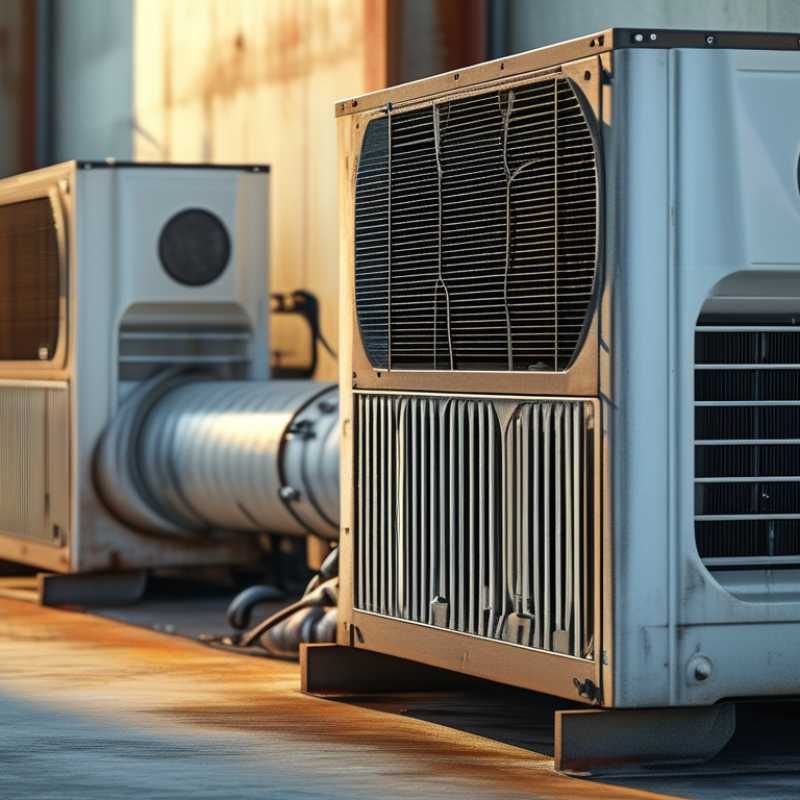
A condensing unit is a crucial component in refrigeration and air conditioning systems. It typically contains a compressor, condenser coil, and a fan. The primary function of this unit is to expel heat from the refrigerant, allowing it to cool and change from gas to liquid. This process is essential for maintaining a comfortable indoor environment in homes and commercial spaces.
When the compressor pumps refrigerant, it creates high pressure. As the refrigerant travels through the condenser coil, the fan assists in dissipating the heat. This heat exchange allows the refrigerant to condense. Over time, dust and debris can accumulate on coils. Neglecting maintenance can lead to inefficient cooling and higher energy bills.
The reliability of a condensing unit is vital. Regular inspections can help prevent breakdowns. Inexperienced technicians may overlook small issues, which can escalate into major problems. Balancing efficiency and maintenance is often a trial-and-error process. Correcting these mistakes can enhance overall system performance. Understanding how a condensing unit works will help users appreciate its role and the need for timely upkeep.
Key Components of a Condensing Unit
A condensing unit is essential for HVAC systems. It primarily contains three key components: the compressor, the condenser coil, and the expansion valve. These elements work together to facilitate the refrigeration cycle.
The compressor compresses refrigerant gas, raising its pressure and temperature. Next, the hot gas travels to the condenser coil, where it dissipates heat to the environment. As the refrigerant cools, it transforms into a liquid. Afterward, the expansion valve reduces its pressure, allowing the refrigerant to evaporate and absorb heat from the indoor air.
In recent reports, the HVAC industry has noticed a 15% increase in energy efficiency of newer condensing units. This shift helps reduce energy consumption significantly. Maintenance of these units is critical, as dirty components can impede functionality.
Tip: Regularly check your condensing unit for dirt and debris. Efficient operation relies on clean coils.
Additionally, refrigerant leaks can harm performance. A study indicated that leaks reduce system efficiency by up to 20%.
Tip: Consider using leak detection technology to ensure optimal performance. Regular inspections can save costs and improve system longevity.
The Refrigeration Cycle Explained
The refrigeration cycle is fundamental to how condensing units work. This cycle involves four key stages: compression, condensation, expansion, and evaporation. During the compression phase, the refrigerant gas is compressed, raising its pressure and temperature. This gas then moves to the condenser. Here, it releases heat and transforms into a liquid. The efficiency of this process can make a significant difference in energy consumption, with reports indicating that optimized condensing units can provide energy savings of up to 30%.
After condensation, the liquid refrigerant passes through an expansion valve. In this stage, the pressure drops, causing the refrigerant to cool. It then enters the evaporator, where it absorbs heat from the surrounding environment. This phase is where the actual cooling occurs. According to industry data, the proper sizing of condensing units can lead to a 15% increase in overall system efficiency.
Despite advancements, challenges remain in ensuring optimal performance. Common issues include refrigerant leaks and poor airflow. Regular maintenance is crucial to address these concerns. Technicians often observe that older units are 20% less efficient due to wear and tear. This reality underscores the importance of proactive care and regular system evaluations in achieving effective refrigeration solutions.
How a Condensing Unit Operates
A condensing unit is a crucial component in air conditioning and refrigeration systems. It plays a pivotal role by facilitating the heat exchange process. This unit works by turning refrigerant from a gas into a liquid. The process begins when the refrigerant absorbs heat from the interior space, expanding as a gas. It then flows to the condensing unit, where it releases heat outside, condensing back into a liquid.
In operation, a condensing unit relies on a compressor, condenser coil, and expansion valve. The compressor compresses the refrigerant, raising its pressure and temperature. Next, the condenser coil allows external air to cool the refrigerant, making it condense. This efficient cooling cycle is backed by industry reports indicating that a well-maintained condensing unit can improve energy efficiency by up to 20% compared to poorly maintained systems.
Tip: Regular maintenance is key. Check the condenser coils for dirt build-up. Clean them to enhance efficiency.
Sometimes, systems may encounter common issues, like inadequate cooling. It can stem from low refrigerant levels or a malfunctioning compressor. Identifying problems early can save on repair costs and extend the unit's lifespan.
Tip: Monitor performance frequently. Notice any strange noises or reduced cooling as early warning signs.
Common Applications of Condensing Units
Condensing units play a vital role in various industries, from refrigeration to air conditioning. They are key components that help transfer heat out of a substance, facilitating cooling processes. In commercial settings, these units find common applications in supermarkets and restaurants, where they maintain optimal temperatures for perishables. A report by the U.S. Department of Energy shows that condensing units account for up to 40% of a facility’s total energy consumption. This highlights the importance of energy-efficient designs in reducing operational costs.
The use of condensing units extends to industrial applications as well. Large manufacturing plants often rely on these units for process cooling and climate control. Proper selection and maintenance can lead to significant energy savings. Industry data indicates that well-maintained units can operate efficiently for over a decade. However, mismanagement leads to inefficiencies and higher energy costs. Maintenance challenges include refrigerant leaks and insufficient airflow. Such issues need addressing to avoid operational downtime.
Overall, while condensing units are essential, their efficiency relies heavily on regular inspections and updates. In many cases, upgrades to newer technology can enhance performance significantly. The balance between cost and efficiency can be difficult. Industry professionals often grapple with finding the right solutions that align with financial constraints while ensuring reliability and performance.
FAQS
: The refrigeration cycle involves four stages: compression, condensation, expansion, and evaporation. Each stage plays a role in cooling.
During compression, refrigerant gas is compressed, increasing its pressure and temperature. This prepares it for the next stage.
In condensation, the gas releases heat and becomes a liquid. This phase is crucial for efficient cooling operations.
Proper sizing can increase system efficiency by 15%. It helps optimize performance and energy consumption over time.
Common issues include refrigerant leaks and poor airflow. These problems can significantly reduce efficiency and increase costs.
Regular maintenance is vital for efficiency. Older units may operate 20% less effectively due to wear and tear without proper care.
They are used in supermarkets, restaurants, and manufacturing plants. These locations require effective temperature control for their operations.
Upgrading to newer technologies and ensuring regular inspections can enhance performance, but cost efficiency needs to be balanced.
Refrigerant leaks can lead to inefficiencies. Addressing these promptly can avoid costly operational downtime and loss of cooling.
Energy-efficient designs can cut operational costs. Condensing units consume up to 40% of total energy in a facility, so efficiency is essential.
Conclusion
A condensing unit is a crucial component in refrigeration and air conditioning systems, responsible for converting refrigerant gas into a liquid state after it has absorbed heat from the environment. The key components of a condensing unit include the compressor, condenser coil, and expansion valve, all working together to facilitate the refrigeration cycle. This cycle begins as the refrigerant evaporates, absorbing heat, and then moves to the condensing unit, where it is compressed and condensed back into a liquid.
The operation of a condensing unit involves the compressor pressurizing the gas and the condenser dissipating heat, allowing the refrigerant to return to a liquid form, ready to begin the cycle anew. Common applications of condensing units can be found in residential air conditioning, commercial refrigeration, and industrial cooling systems, making them essential for temperature control in various settings. Understanding how a condensing unit works is vital for efficient system maintenance and operation.

 YuanShengHeTong