Cold Storage Condensing Unit Tips for Optimal Efficiency?

Time:2026-08-22 Author:Henry
0%

Cold Storage Condensing Units play a crucial role in the efficiency of refrigeration systems. These units maintain essential temperatures for perishable items, ensuring quality and safety. However, operating them at peak efficiency requires knowledge and best practices.

Understanding the inner workings of a Cold Storage Condensing Unit can lead to significant energy savings. Proper maintenance is key. Regular inspections can identify potential issues, preventing costly repairs down the line. Many facilities overlook simple tasks, like cleaning coils. This negligence can reduce system efficiency over time.

In the pursuit of optimal performance, operators must consider various factors. For instance, ambient temperature and system load directly impact energy consumption. Finding the right balance is a continuous process. However, some may struggle with implementing these strategies. Reflection on past experiences can lead to improvements. Embracing trial and error is essential in optimizing your Cold Storage Condensing Unit.
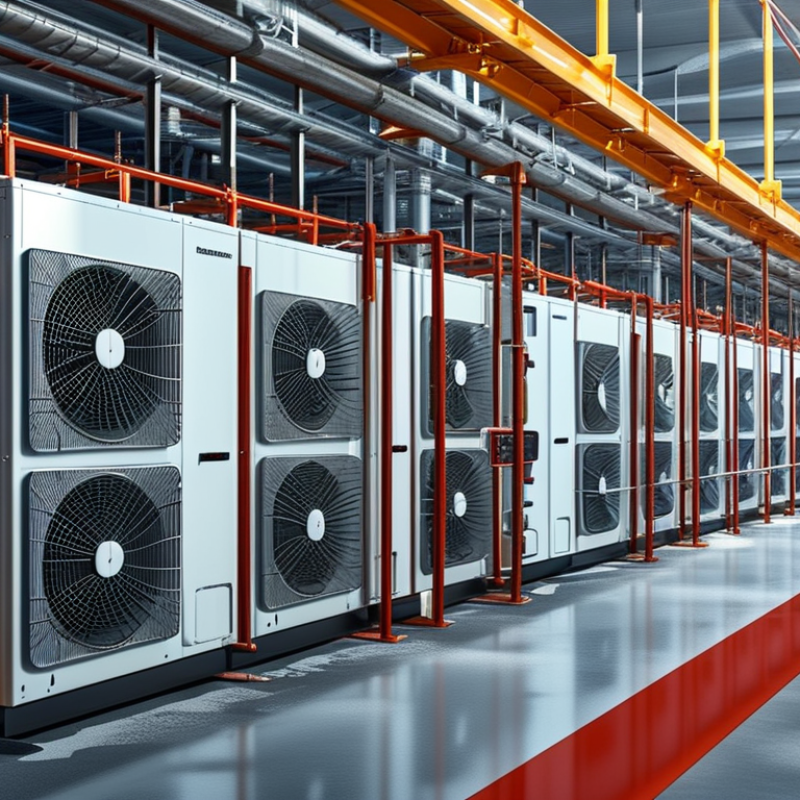
Cold Storage Condensing Unit Tips for Optimal Efficiency?

Understanding the Basics of Cold Storage Condensing Units

Cold storage condensing units play a crucial role in maintaining optimal temperature control. These systems are vital for preserving perishable goods. Understanding how they work can help improve their efficiency. Each unit consists of a compressor, evaporator, and condenser. The compressor circulates refrigerant, which absorbs heat from the environment. This process cools the storage space effectively.

Regular maintenance is key to ensuring these units operate efficiently. Dirty coils can impede airflow and reduce cooling performance. Cleaning these coils periodically can enhance efficiency. Additionally, monitoring refrigerant levels is essential. Low refrigerant can lead to higher energy consumption. Properly functioning components can also reduce wear and tear, extending the unit's lifespan.

Attention to ambient conditions matters as well. An excessively warm environment can strain the condensing unit. It’s important to position units away from direct sunlight or heat sources. Evaluating your setup can uncover areas for improvement. Efficiency often requires adjustments, careful planning, and a proactive approach. Each minor decision can contribute to better overall performance.

Key Components of Cold Storage Condensing Units and Their Functions

Cold storage condensing units are essential for maintaining product quality and safety. Understanding their key components can significantly enhance efficiency and performance. A crucial part is the compressor. It compresses the refrigerant, allowing it to absorb heat from the environment. A well-functioning compressor ensures optimal cooling. Without it, temperatures can fluctuate dangerously.

Next, the evaporator is vital for heat exchange. It helps in absorbing heat, resulting in a cooling effect inside the storage unit. Regular maintenance of the evaporator coils will prevent build-up that can hinder performance. Clean coils improve airflow and efficiency.

The condenser also plays a significant role. It dissipates heat and transforms the refrigerant back into a liquid state. If the condenser unit is not functioning properly, it can lead to increased energy consumption. This not only affects efficiency but can also inflate energy costs. Regular checks can help in identifying issues early. The importance of these components cannot be overstated, as they work together to provide a stable environment for perishable goods.

Cold Storage Condensing Unit Tips for Optimal Efficiency

Component Function Tips for Efficiency
Compressor Compresses refrigerant gas, increasing pressure and temperature. Regular maintenance and checking for leaks can enhance efficiency.
Condenser Dissipates heat from the refrigerant, allowing it to condense to a liquid. Ensure proper airflow and clean coils regularly for optimal performance.
Evaporator Absorbs heat from the storage area, causing refrigerant to evaporate. Monitor temperature levels and defrost when needed to maintain efficiency.
Expansion Valve Regulates the flow of refrigerant into the evaporator. Keep it clean and check for proper operation to avoid refrigerant starvation.
Refrigerant The fluid that circulates through the system, transferring heat. Use appropriate refrigerant types and monitor levels regularly.

Best Practices for Regular Maintenance and Inspections

Maintaining a cold storage condensing unit is crucial for its efficiency and longevity. Regular inspections can help identify potential issues before they escalate. Check for signs of wear on key components. Look for unusual vibrations or noise during operation. These can signal that something needs immediate attention.

One important practice is to clean the coils consistently. Dust and debris can hinder performance. Use a soft brush or vacuum to gently remove buildup. Inspect the refrigerant levels as low levels can strain the system. Ensure connections are tight and not leaking.

Monitoring the temperature regularly is essential. Fluctuations may indicate inefficiencies. Keep an eye on the electrical components too. Loose wires can lead to short circuits or failures. By staying proactive, you can improve system reliability and efficiency. Regular, detailed inspections pave the way for a cost-effective maintenance strategy.

Energy-Saving Strategies for Improved Efficiency

Optimizing efficiency in cold storage condensing units is crucial for energy conservation. One effective strategy is regular maintenance. Keeping coils clean improves airflow, which directly impacts cooling efficiency. Clogged coils can hinder performance, leading to increased energy consumption and higher bills.

Another approach is to monitor temperature settings closely. Small adjustments can yield significant savings. For instance, raising the temperature by just one degree can reduce energy costs. It's essential to balance between maintaining product quality and energy efficiency.

Insulation is another vital factor. Properly insulated storage units retain cold air more effectively. This means the unit doesn’t need to work as hard to maintain temperatures. However, many facilities overlook insulation repairs. This can lead to unnecessary energy waste and higher operational costs. Regular evaluations of insulation integrity should become a part of maintenance routines.

Cold Storage Condensing Unit Efficiency Analysis

This chart illustrates the energy consumption associated with different efficiency levels of cold storage condensing units. Higher efficiency units consume significantly less energy, demonstrating the importance of optimizing equipment for energy savings.

Signs of Decreased Efficiency and How to Address Them

A cold storage condensing unit is vital for preserving perishable items. However, its efficiency can decline over time. Some warning signs include increased energy bills, inconsistent temperatures, and unusual noises from the unit. When you notice these symptoms, it's essential to take action to restore optimal performance.

Regular maintenance can address decreased efficiency. Start by checking the unit's filters, coils, and refrigerant levels. Dirty filters restrict airflow, while dirty coils hinder heat exchange. A skilled technician can help diagnose and fix these issues. If the condensing unit operates louder than usual, it may indicate mechanical problems. Addressing these sounds early can prevent costly repairs down the line.

Monitoring temperature fluctuations is crucial. If you observe inconsistencies, re-evaluating the unit’s settings may help. An improperly calibrated thermostat can lead to energy waste. Ensure that the area around the unit is well-ventilated. Sometimes, small adjustments can make a significant difference. Regular assessments lead to better performance and can save on operational costs.

FAQS

: What is the main function of a compressor in a cold storage unit?

: The compressor compresses refrigerant, enabling it to absorb heat from the environment effectively.

How does an evaporator contribute to cooling?

The evaporator absorbs heat, creating a cooling effect inside the storage unit.

Why is regular maintenance of coils important?

Clean coils improve airflow and efficiency. Dust can hinder performance and increase energy costs.

What can unusual noises from the unit indicate?

Noises may signal mechanical problems that need immediate attention to prevent costly repairs.

What should you monitor to ensure optimal efficiency?

Regularly check temperature fluctuations, refrigerant levels, and the condition of electrical components.

How can you maintain refrigerant levels?

Inspect connections for tightness and leaks as low refrigerant can strain the system.

What signs indicate decreased efficiency in a unit?

Increased energy bills, inconsistent temperatures, and unusual noises can suggest inefficiencies.

What is a practical step for addressing energy waste?

Ensure the thermostat is calibrated properly to avoid unnecessary energy consumption.

Why is proactive maintenance beneficial?

Regular inspections help in identifying issues early, leading to improved reliability and efficiency.

What small adjustments can enhance performance?

Ensuring the area around the unit is well-ventilated can lead to significant performance improvements.

Conclusion

Cold Storage Condensing Units play a crucial role in maintaining the optimal temperature for perishable goods. Understanding the basics of these units, including their key components such as compressors, condensers, and evaporators, is essential for effective operation. Regular maintenance and inspections are vital to ensure these systems run efficiently, helping to prevent unexpected breakdowns and prolonging their lifespan.

Implementing energy-saving strategies can significantly enhance the efficiency of Cold Storage Condensing Units. This includes monitoring energy consumption, sealing any leaks, and optimizing operating conditions. Additionally, being aware of signs indicating decreased efficiency, such as unusual noise or fluctuating temperatures, allows for timely intervention to address issues before they escalate, ensuring the unit operates at peak performance.

Henry

Henry

Henry is a dedicated marketing professional with a profound expertise in the company's offerings. With years of experience in the industry, he possesses an impressive understanding of the market dynamics and consumer behaviors that drive success. Henry is committed to sharing his insights through......