When selecting a Commercial Condensing Unit, it's crucial to understand your specific needs. The right unit can significantly impact efficiency and operational costs. According to the 2022 HVAC Industry Report, nearly 40% of businesses overpay for energy due to inefficient cooling systems. This statistic emphasizes the importance of choosing wisely.
Expert feedback is invaluable in this area. John Smith, a recognized specialist in HVAC systems, stated, "Choosing the right Commercial Condensing Unit can save businesses thousands in energy costs." His insight highlights the need for thorough planning and evaluation before making a purchase.
Moreover, consider how sizes, configurations, and features differ among units. Even minor mismatches can lead to performance issues. Businesses must assess their cooling load requirements carefully. Often, failure to do so results in regret and financial loss. Striking a balance between cost and efficiency is essential but rarely straightforward.
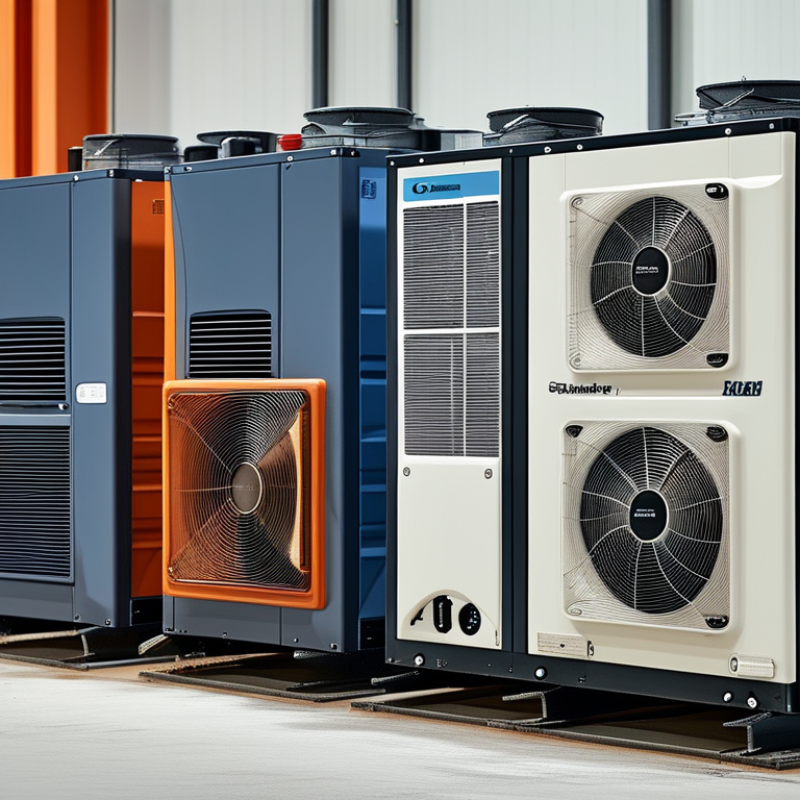
When selecting a commercial condensing unit, several factors are critical to ensure optimal performance. Efficiency is paramount. Look for models with high energy efficiency ratings. This can significantly reduce operating costs over time. Size and capacity matter too. Units that are too small may struggle to cool effectively, while oversized units can waste energy.
Consider the type of refrigerant used in the unit. Some refrigerants harm the environment more than others. Using eco-friendly options is advisable. Additionally, think about the noise levels produced by the condensing unit. Some locations require quieter units to avoid disturbances.
Assessing maintenance needs is another key point. Simple designs often allow for easier access to components, which can save time and money on repairs. Regular maintenance is essential for longevity. Placing units in easily accessible locations can facilitate this. Keep in mind that certain units might be more complex than they appear. Reviewing user manuals or consultant advice can help clarify maintenance requirements.
| Factor | Description | Importance Level | Recommended Range |
|---|---|---|---|
| Size and Capacity | Determine the cooling capacity based on the area of application. | Critical | 5 – 50 tons |
| Energy Efficiency | Look for high SEER (Seasonal Energy Efficiency Ratio) ratings. | High | SEER 14+ |
| Noise Level | Consider the operational sound levels, especially for urban areas. | Medium | Under 70 dB |
| Durability | Assess materials and build quality for longevity. | High | 10+ years lifespan |
| Regulatory Compliance | Ensure it meets local codes and regulations. | Critical | Compliant with current standards |
| Cost | Balance upfront costs with efficiency savings over time. | High | $5,000 - $20,000 |
When selecting a commercial condensing unit, it's crucial to understand the various types available. Air-cooled units are popular for their ease of installation and maintenance. They draw air from the environment, making them suitable for many commercial settings. However, they can be less efficient in extremely high temperatures, which might lead to higher energy costs. Assessing the local climate and specific needs is essential.
Water-cooled units offer a different approach. They use water to dissipate heat, which can be more efficient in certain situations. However, these systems often require additional infrastructure for water supply and drainage. Businesses must weigh the initial investment against potential savings over time.
Finally, scroll and reciprocal units are often compared for their performance. Scroll units tend to be quieter and more energy-efficient, while reciprocals may deliver higher cooling capacities in specific applications. Understanding these differences can guide you toward a more informed decision, aligning with your operational requirements.
Balancing efficiency, cost, and cooling needs is not always straightforward, and reflection on each option is necessary.
When selecting a commercial condensing unit, understanding your cooling needs is essential. Every facility has unique demands influenced by factors like square footage, equipment heat output, and the number of occupants. A report by the American Society of Heating, Refrigerating and Air-Conditioning Engineers (ASHRAE) suggests that miscalculation of these requirements can lead to inefficient cooling. This inefficiency typically results in higher energy costs and reduced system reliability.
To accurately assess your capacity requirements, start by calculating the total heat load. This involves evaluating sources like refrigeration equipment, lighting, and even the building's insulation. The U.S. Department of Energy recommends utilizing tools like load calculators for precise measurements. It's crucial to consider peak times as well. Not accounting for seasonal variations can lead to undersized units during crucial periods.
Regularly revisiting your needs is practical. Businesses evolve, requiring different cooling capacities. Keeping up with these changes ensures that you don't overpay for energy costs or sacrifice comfort. Keep in mind that every adjustment should reflect actual demand, not just generic estimates. This attentiveness can have a profound impact on operating expenses and equipment longevity.
When evaluating commercial condensing units, energy efficiency is crucial. It can significantly impact operating costs. Key energy efficiency ratings include EER, SEER, and HSPF. These ratings indicate how much cooling or heating a unit provides per consumed energy unit. Higher ratings often mean lower energy bills. However, they might come with higher upfront costs.
Operating costs vary by usage and local energy prices. A unit may seem efficient, but if it runs continuously, expenses add up. Consider how often the equipment operates and under what conditions. It's often beneficial to seek professional insight. They can help assess the unit's compatibility with your cooling or heating demands. The right balance between efficiency and costs is essential.
Though you might be inclined to choose the most efficient unit, this isn’t always the best choice. Sometimes, a lower-rated unit may meet your needs at a fraction of the cost. Evaluating your specific situation is vital. Reflect on your actual requirements versus the advertised capabilities. This analysis leads to smarter decisions and better long-term satisfaction.
When selecting a commercial condensing unit, installation and maintenance are crucial factors that can significantly impact performance. Proper installation not only ensures efficiency but also extends the lifespan of the unit. According to industry data, about 30% of refrigeration failures stem from installation errors. Correct air flow and adequate space are vital; units should be installed with at least 12 inches of clearance for optimal air circulation.
Regular maintenance is equally essential. Studies indicate that routine checks can reduce unexpected breakdowns by up to 25%. Cleaning coils and checking refrigerant levels are basic yet effective maintenance tasks. Technicians should inspect wiring and connections regularly. Neglecting these tasks can lead to decreased efficiency and increased energy costs. In a commercial setting, maintaining these units reduces downtime and potentially costly repairs.
However, not all businesses prioritize routine maintenance. Some operators may ignore the warning signs of wear and tear. This neglect often leads to larger issues down the line. Operators need to reflect on their maintenance practices. Investing in routine checks can be a game changer for both performance and cost savings in the long run.
: Efficiency is paramount. High energy efficiency ratings can lower operating costs significantly.
Size matters greatly. Units that are too small struggle to cool, while oversized ones waste energy.
Consider eco-friendly refrigerants. Some options are less harmful to the environment than others.
Noise levels can disrupt environments. Some locations require quieter units to maintain peace.
Proper installation is vital. Ensure at least 12 inches of clearance for optimal air circulation.
Routine checks reduce unexpected breakdowns. Regular maintenance can lower risks by up to 25%.
Cleaning coils and checking refrigerant levels are essential. Inspect wiring and connections regularly.
Ignoring maintenance can lead to larger issues. This may result in decreased efficiency and higher costs.
Some operators ignore wear signs. This neglect leads to larger problems and increased repair costs later.
Investing in maintenance ensures better performance. It can lead to significant cost savings over time.
Choosing the right Commercial Condensing Unit is essential for ensuring optimal cooling performance and efficiency for your business. Key factors to consider include the different types of units available, your specific cooling needs and capacity requirements, and the importance of energy efficiency ratings. Evaluating these aspects helps in selecting a unit that fits both your operational demands and budget constraints.
Furthermore, installation and maintenance considerations play a crucial role in the longevity and effectiveness of your Commercial Condensing Unit. Proper installation can enhance performance, while regular maintenance can prevent costly repairs and downtime. By carefully assessing these factors, you can make an informed decision that will benefit your business in the long run.

YuanShengHeTong