In the competitive world of business, choosing the right equipment is critical. A Cold Room Condensing Unit is essential for businesses that require temperature control, such as food storage and pharmaceuticals. It plays a vital role in maintaining the integrity of perishable goods.
Selecting the best Cold Room Condensing Unit can be overwhelming. Many options promise efficiency and reliability, but not all deliver. Consider the specific needs of your business. A powerful unit can save energy costs and reduce waste. Yet, some units may not live up to their energy claims.
Ultimately, investing in a top-tier Cold Room Condensing Unit can enhance your operations. A reliable unit ensures optimal performance, safeguarding your products. Make informed choices based on expert guidance and user experiences to avoid costly mistakes. Your business deserves the best equipment available.
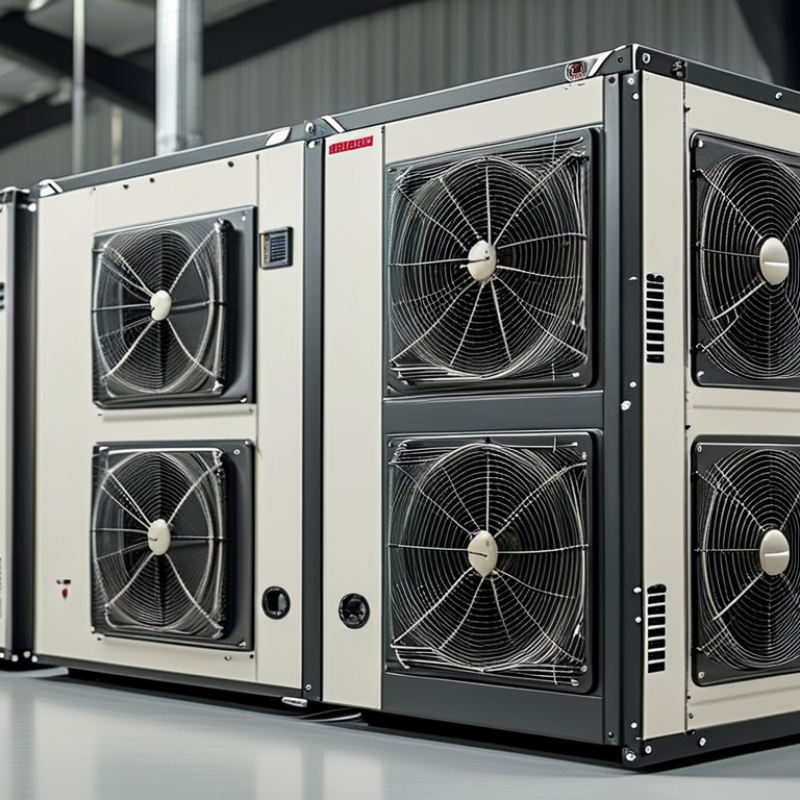
When selecting cold storage solutions, understanding your business needs is crucial. Consider factors like the type of products you store. Perishables, like fruits and meats, require strict temperature controls. Evaluate how much space you need for your inventory. A larger operation may need a more robust kind of unit.
Think about energy efficiency as well. A more efficient unit can significantly reduce costs over time. However, it may come with a higher initial price. Don’t forget the installation requirements. Some setups need specific plumbing or electrical systems. Assessing your existing infrastructure is necessary to avoid unexpected challenges.
Lastly, think about scalability. As your business grows, your cold storage needs may change. Opt for a unit that can adapt to those changes. It’s important to reflect on these aspects. A hasty decision may lead to issues down the line. Taking the time to analyze your specific requirements will ensure you choose wisely.
| Business Type | Cold Storage Requirement (Cubic Feet) | Temperature Range (°F) | Energy Efficiency Rating | Condensing Unit Type |
|---|---|---|---|---|
| Grocery Store | 500 | 32 to 40 | High | Air-Cooled |
| Pharmacy | 300 | 36 to 46 | Very High | Water-Cooled |
| Restaurant | 400 | 0 to 32 | Moderate | Scroll |
| Supermarket | 1000 | 30 to 36 | High | Air-Cooled |
| Data Center | 200 | 50 to 60 | Very High | Chilled Water |
When selecting a cold room condensing unit, focus on key features that ensure efficiency and reliability.
Energy efficiency is paramount; units should have a high Energy Efficiency Ratio (EER). According to the U.S. Department
of Energy, energy-efficient systems can save businesses up to 30% on their cooling costs. Look for units with variable
speed compressors. These adapt to changing temperature demands, reducing energy consumption further.
Temperature control is another critical aspect. A quality unit should maintain a consistent temperature range.
Fluctuations can lead to spoilage, especially in food storage. Studies show that a 5-degree rise in temperature can
shorten the shelf life of perishable goods by up to 50%. Make sure the unit allows for quick adjustments and has
reliable monitoring systems.
Tips: Regular maintenance is essential for optimal performance. Schedule routine checks to identify potential issues
early. Also, consider noise levels. Units with quieter operations create a more comfortable working environment.
Choosing the right condensing unit involves careful consideration of features, efficiency, and maintenance needs
to ensure long-term success for your business.
When selecting a cold room condensing unit, understanding the different types can significantly impact your business. There are several options available. Each type of unit has its own features and applications. Some operate best in low ambient conditions, while others excel in high-efficiency tasks.
Several designs stand out in the market. Air-cooled units are commonly used in smaller spaces and are easier to install. Water-cooled units offer higher efficiency but demand more complex setups. Additionally, there are glycol-cooled units that minimize fluctuations in temperature. Each option comes with its pros and cons, affecting both performance and maintenance needs.
It’s vital to assess your specific requirements. Consider factors such as the size of the cold room and the desired temperature range. Choosing the wrong unit might lead to increased energy costs or inadequate temperature control. Evaluating these factors can save money in the long run. Balancing efficiency with design is essential, as the optimal solution will vary by situation.
When selecting a cold room condensing unit, energy efficiency and cost savings are vital factors. These units consume less power, which leads to lower utility bills. Efficient units use advanced technology to optimize cooling performance. As a business owner, understanding these technologies can significantly impact your bottom line.
Energy-efficient condensing units often feature high-quality components and better insulation. These elements prevent energy loss and maintain the desired temperature more effectively. However, initial costs might be higher. It's crucial to weigh these upfront investments against long-term savings. Sometimes, cheaper units can lead to high energy consumption over time.
Monitor your unit’s performance regularly. Inefficiencies can arise from various issues, like maintenance neglect or outdated technology. Regular checks can identify problems early, preventing costly repairs. Reflecting on these aspects ensures you make informed decisions for your business. Balancing cost and efficiency is not always straightforward, but it is essential for sustainable growth.
When it comes to cold room condensing units, maintenance is crucial for ensuring long-term performance. Regular checks can prevent costly repairs. For instance, cleaning the condenser coils can significantly improve efficiency. Over time, dirt accumulates and impedes airflow. This simple task is often overlooked yet essential for optimal operation.
Furthermore, monitoring refrigerant levels is vital. Inadequate levels can lead to compressor damage. A thorough inspection can identify leaks early on. Keeping an eye on temperature fluctuations is another key aspect. Sudden changes may indicate deeper issues. This is often a sign of potential system failure, inviting further examination.
Employee training is also important. Staff should understand how to operate the system efficiently. Yet many businesses neglect this, leading to misuse. Regular workshops can enhance knowledge and skill. Investing in maintenance is, therefore, not just about avoiding breakdowns. It is about promoting a sustained operational environment. Embracing a proactive approach ensures reliability and longevity for the entire cold room setup.
This bar chart illustrates the energy efficiency of different cold room condensing units in kWh per day. Selecting a unit with higher energy efficiency can significantly reduce operating costs and improve performance over time.
: Consider the type of products, space needs, energy efficiency, installation requirements, and scalability.
Each unit type has unique features. Air-cooled units suit small spaces; water-cooled ones are more efficient but complex.
Energy-efficient units lower utility bills and improve cooling performance, impacting overall business costs positively.
Regularly monitor performance and schedule maintenance to prevent inefficiencies and costly repairs.
Cheaper units may have higher energy consumption, leading to increased long-term costs and inadequate temperature control.
As operations expand, you might require more space, different temperature controls, or enhanced efficiency. Reflect on future needs.
Some units may require specific plumbing or electrical systems. Assessing your existing infrastructure is necessary to avoid issues.
Higher initial costs can result in significant long-term savings. Always weigh short-term expenses against future benefits.
It's not always straightforward. Reflect on your business requirements and potential growth to make an informed decision.
Take time to evaluate product types, space, efficiency needs, and possible scalability rather than rushing the decision-making process.
Choosing the best Cold Room Condensing Unit is crucial for businesses that require efficient cold storage solutions. Understanding your specific business needs is the first step, as it determines the capacity and features necessary for optimal performance. Key features to consider include cooling capacity, noise levels, and versatility, which can greatly affect day-to-day operations.
Additionally, it's important to compare different types of Cold Room Condensing Units to find the most suitable option. Energy efficiency is another critical aspect, as it directly impacts operational costs and long-term savings. Lastly, regular maintenance is vital to ensure the longevity and performance of the unit, allowing businesses to benefit from reliable refrigeration services over time.

YuanShengHeTong