How to Choose the Best Refrigeration Condensing Unit in 2026?

Time:2026-07-23 Author:Isabella
0%

In 2026, selecting the right Refrigeration Condensing Unit is crucial for efficiency and sustainability. Recent industry reports indicate a significant shift towards energy-efficient models. The global refrigeration market is projected to surpass $300 billion. This reflects the growing demand for advanced refrigeration technologies.

Expert John Smith, a leader in refrigeration analytics, emphasizes, "Choosing the right condensing unit can reduce energy use by 30% or more." This statement highlights the impact of informed choices in purchasing decisions. Organizations are recognizing that investing in quality units is not just an expense; it's a long-term financial saving.

However, the selection process can be overwhelming. Many buyers still struggle with technical specifications. Not all condensing units are designed for every application. Evaluate the cooling capacity, energy efficiency, and installation requirements carefully. Understanding these factors shapes not only performance but also overall cost-effectiveness. Reflecting on personal experiences is essential. Have your previous choices met your needs?
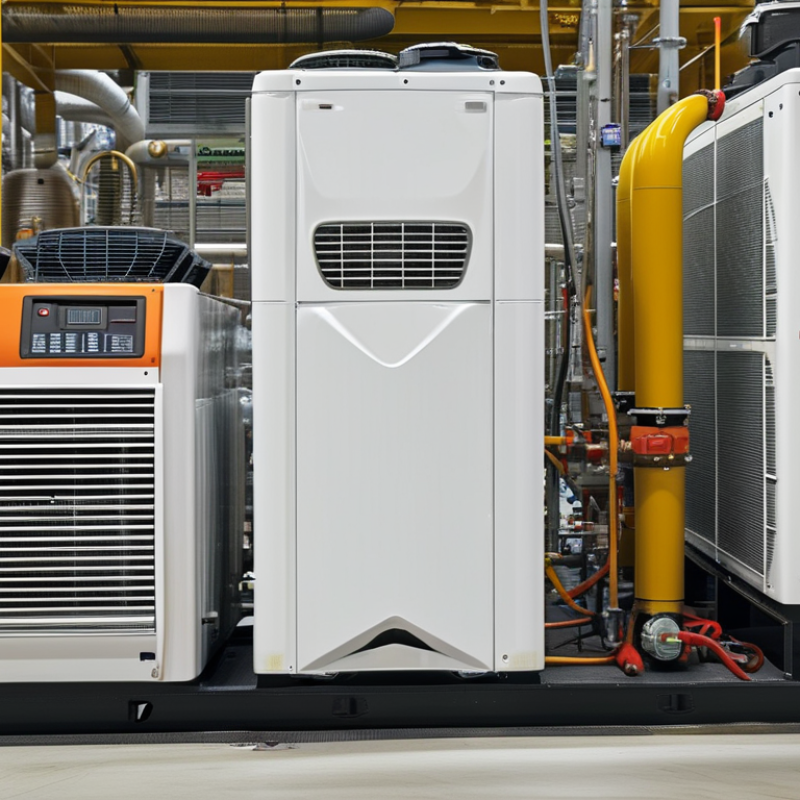
How to Choose the Best Refrigeration Condensing Unit in 2026?

Understanding Refrigeration Condensing Units: An Overview

Refrigeration condensing units are vital in commercial cooling systems. They work by releasing heat from refrigerant, enabling the cooling cycle. Understanding their components and functionality can significantly impact performance. These units consist of a compressor, condenser, and expansion valve. Each plays a crucial role in maintaining optimal temperatures.

When selecting a condensing unit, consider factors like energy efficiency, size, and compatibility with your cooling system. Energy-efficient models save money over time. However, they may come at a higher upfront cost. It’s essential to evaluate long-term benefits against initial investments. The unit’s size should fit your space requirements. Oversized units can lead to inefficiency and short cycling.

Reliability is another important aspect. Research product reviews and industry ratings. Pay attention to user feedback for insights into real-world performance. Some models may promise high efficiency but fail in practical applications. It’s worth examining potential flaws or areas for improvement. A well-chosen unit can enhance cooling efficiency while minimizing energy costs.

Key Factors to Consider When Selecting a Condensing Unit

When selecting a refrigeration condensing unit in 2026, several key factors come into play. Efficiency is crucial. A high-efficiency unit can reduce energy costs significantly. Look for models that provide excellent cooling while consuming less electricity. This balance leads to better long-term savings.

Size and capacity are also vital. Ensure the unit can handle the specific cooling requirements of your application. An undersized unit will struggle to maintain temperature. In contrast, an oversized unit will cycle on and off too frequently, leading to wear and tear. Make sure to calculate the space accurately.

Reliability is non-negotiable. You’ll want a unit that can operate with minimal downtime. Seek equipment with solid performance reviews. It can be hard to gauge long-term reliability from specifications alone. Customer feedback can offer valuable insights. Contemplating maintenance needs is essential. Units requiring frequent service may not be the best choice for your needs.

How to Choose the Best Refrigeration Condensing Unit in 2026? - Key Factors to Consider When Selecting a Condensing Unit

Feature Importance Rating (1-5) Typical Range/Capacity Energy Efficiency Standards Noise Level
Cooling Capacity 5 1-25 tons AHRI Certified 60-75 dB
Energy Efficiency Ratio (EER) 5 8-14 EER Energy Star Rated N/A
Refrigerant Type 4 R-410A, R-404A Low Global Warming Potential N/A
Compact Design 3 Varies N/A N/A
Durability 4 20+ years Corrosion-resistant materials N/A

Evaluating Energy Efficiency Ratings for 2026 Models

When selecting a refrigeration condensing unit in 2026, energy efficiency ratings play a crucial role. The U.S. Department of Energy sets guidelines that indicate a significant shift toward higher efficiency standards. New models are showcasing efficiency ratings that exceed previous benchmarks by up to 20%. This improvement is essential, as refrigeration accounts for nearly 20% of total energy consumption in commercial buildings.

Additionally, tools like the Energy Star label help consumers identify high-performing units. In 2026, models certified by Energy Star must meet or surpass a Seasonal Energy Efficiency Ratio (SEER) of 14.5. This standard highlights the increasing importance of energy savings. The financial implications are notable. Units that achieve better energy performance often lead to lower operational costs.

However, buyers should not solely rely on these ratings. Different climates, installation conditions, and maintenance affect the actual energy usage. A unit may have a high energy rating but fail to perform efficiently in a humid environment without proper airflow. Evaluating each model's specifications in conjunction with external factors is vital for optimal performance and sustainability.

Comparing Different Types of Refrigeration Condensing Units

When selecting a refrigeration condensing unit, various types present unique benefits. Air-cooled units are common in smaller applications. They’re often less expensive and easier to install. However, they tend to be less efficient in high temperatures. This limits their effectiveness in extreme conditions.

Water-cooled units can offer better efficiency and reliability. They require a water source, making installation more complex. This type is typically used in larger industrial settings. While they provide excellent cooling capabilities, they can demand more maintenance. Users must consider these factors to ensure suitability for their specific needs.

Additionally, split condensing units are gaining popularity. They separate the condenser from the evaporator, allowing for more flexible installation. This option is beneficial in tight spaces. However, installation and repair can become more challenging. Making an informed choice requires careful evaluation of each type's pros and cons. Always assess your situation before deciding.

Comparison of Different Types of Refrigeration Condensing Units in 2026

Maintenance and Support Options for Your Condensing Unit

When selecting a refrigeration condensing unit, maintenance and support options are crucial. Regular maintenance helps prevent costly repairs. Choosing a unit that offers comprehensive support will save you headaches down the road.

Consider the availability of service technicians in your area. Quick response times are essential for minimizing downtime. Check if the manufacturer provides easy access to replacement parts. This can significantly reduce the time your unit is out of service.

Tip: Establish a preventive maintenance schedule. Regular check-ups can catch small issues before they escalate. Document all maintenance activities. This record can provide important insights for future maintenance or issues.

Evaluate the warranty and support services. A strong warranty reflects a manufacturer's confidence in their product. Look for clear communication channels with support teams. Fast and reliable customer service can make a notable difference.

FAQS

: What are the main components of a refrigeration condensing unit?

: A refrigeration condensing unit consists of a compressor, condenser, and expansion valve. Each component is crucial for cooling.

What factors should I consider when selecting a condensing unit?

Consider energy efficiency, size, and compatibility with your cooling system. These factors impact both performance and costs.

How does energy efficiency affect the total cost?

Energy-efficient models save money over time, but they may require a higher initial investment. Long-term benefits are essential.

Why is size important for a condensing unit?

The unit's size must match your space requirements. An oversized unit can lead to inefficiency and frequent cycling.

How can I assess the reliability of a condensing unit?

Research reviews and ratings. User feedback provides insights into real-world performance and can highlight potential flaws.

What does the Energy Star label indicate?

The Energy Star label signifies models that meet or exceed a Seasonal Energy Efficiency Ratio of 14.5. It's a guide for efficient options.

Can environmental conditions affect energy efficiency ratings?

Yes, different climates and installation conditions can impact actual energy usage, even for units with high energy ratings.

What maintenance considerations should I keep in mind?

Units requiring frequent service may not be ideal. Evaluate long-term maintenance needs versus convenience.

Are there risks to relying solely on efficiency ratings?

Yes, it's crucial not to depend only on ratings. Actual performance can vary based on environmental factors and installation.

Is it possible for a high-rated unit to underperform?

Definitely. A unit with a good rating may underperform if not properly installed or if the conditions are unfavorable.

Conclusion

In 2026, choosing the best refrigeration condensing unit requires a comprehensive understanding of its fundamental components and functionality. An effective refrigeration condensing unit plays a crucial role in various applications, ranging from commercial refrigeration to industrial cooling systems. Key factors to consider include the unit's capacity, size, and operating conditions, which can significantly affect performance and efficiency.

Evaluating energy efficiency ratings is also essential, as new models in 2026 are designed to meet higher standards for environmental sustainability and cost-effectiveness. Furthermore, comparing different types of refrigeration condensing units, such as air-cooled and water-cooled options, can help you select the right one for your specific needs. Lastly, considering maintenance and support options is crucial to ensure long-term reliability and performance of the selected unit. Understanding these aspects will empower you to make an informed decision when selecting a refrigeration condensing unit that meets your requirements.


Isabella

Isabella

Isabella is a dedicated marketing professional with a sharp focus on driving brand growth and engagement through strategic content creation. With an extensive background in digital marketing, she combines her passion for storytelling with her keen understanding of industry trends to deliver......