The demand for PIR sandwich roof panels in the construction industry has surged in recent years. These panels offer excellent thermal insulation and energy efficiency. According to a report by MarketsandMarkets, the global PIR panel market is expected to grow at a CAGR of 6.3% from 2021 to 2026. This trend underscores the increasing reliance on sustainable building materials.
In China, the supply of PIR sandwich roof panels is critical. The industry is populated with numerous suppliers, each offering unique features. Quality and reliability are paramount when selecting a supplier. However, the market also faces challenges, such as fluctuating raw material prices and varying manufacturing standards. Evaluating suppliers based on experience and product performance is vital.
Finding trusted PIR sandwich roof panel suppliers can be overwhelming. Some brands might not meet essential quality standards. Working with recognized manufacturers minimizes the risks associated with subpar materials. Thus, understanding the top suppliers in China can significantly impact your construction projects and long-term sustainability goals.
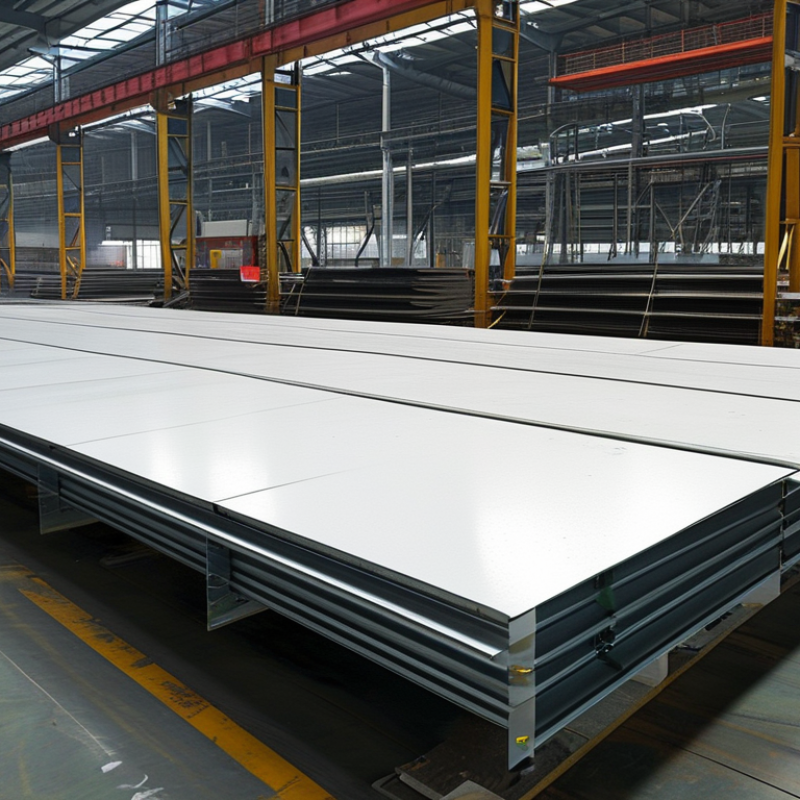
PIR sandwich roof panels are gaining traction in the Chinese construction industry. These panels consist of a core made from Polyisocyanurate (PIR) sandwiched between two facings. Their insulating properties make them a popular choice for various applications, including commercial buildings and warehouses. In 2022, the market for PIR panels in China was estimated at approximately $1.5 billion, showing a steady growth trajectory.
The advantages of PIR sandwich panels are significant. They offer superior thermal insulation compared to traditional materials. With increasing energy efficiency regulations, many builders are now opting for these panels. Data from recent industry reports indicate an average R-value of 6.5 per inch for PIR panels, making them an excellent option for energy-conscious projects. However, some builders still hesitate. Concerns regarding the fire safety of PIR materials need addressing.
Market research shows that approximately 30% of construction firms in China are still uncertain about using PIR panels. This uncertainty highlights the need for more education and technical guidance. As the industry evolves, suppliers must ensure comprehensive training programs for builders. Understanding the benefits and limitations of these materials will be crucial for future growth in the segment.
PIR sandwich roof panels are gaining popularity due to their thermal efficiency and versatility. These panels consist of a rigid polyurethane foam core, which provides superior insulation. According to recent industry reports, PIR panels can achieve thermal conductivity values as low as 0.022 W/mK. This makes them an ideal choice for energy-efficient building projects.
Another important characteristic is their fire resistance. PIR panels have been tested to meet stringent fire safety standards. The material's formulation allows it to achieve a Class B2 rating, ensuring it has low flammability. This property is vital for compliance with safety regulations, especially in commercial applications.
Durability is also key. PIR sandwich panels are designed to withstand various weather conditions without significant deterioration. They are resistant to moisture and have a long lifespan. However, it is essential to consider the installation process carefully, as poor installation can compromise their performance. Regular maintenance is also important, as it can enhance the durability of these panels. Therefore, engaging with reliable suppliers and experienced contractors is crucial for optimal results.
When considering PIR sandwich roof panels, it is essential to know the leading suppliers in China. These panels are known for their insulation and durability. They play a vital role in the construction industry, especially for energy-efficient buildings. Finding reliable suppliers ensures quality and longevity.
The top suppliers typically focus on quality control. They must adhere to guidelines to maintain safety standards. Researching suppliers involves looking for certifications. It is also wise to check their previous projects. This offers insights into their expertise and reliability.
Tips for selecting a supplier include comparing quotes. Don’t always choose the cheapest option. Consider the material used in the panels. Quality materials impact thermal performance. Always ask for samples before placing a bulk order. Trusting your instincts is crucial. If something feels off, seek other options. Building relationships with suppliers can lead to better deals over time.
Choosing the right PIR sandwich roof panel supplier is crucial. Several factors can influence your decision. You'll want a supplier with a proven track record in the industry. Experience matters, and those who have been around for a while bring valuable insights. Look for suppliers that showcase robust projects they've completed. This helps establish their credibility.
Another important aspect is product quality. Ensure that the materials used meet industry standards. Check their certifications to assess reliability. It's also key to verify if they provide detailed specifications for their panels. This transparency can save you from future headaches.
Tips: Evaluate customer reviews. A reliable supplier will have positive feedback. Don't ignore any red flags in ratings. Ask for quotes from multiple suppliers to compare cost-effectiveness. You don't always get what you pay for; higher prices don't guarantee better quality. Lastly, consider after-sales support. Good service can significantly enhance your experience.
The future of PIR sandwich roof panels in China looks promising. These panels are lightweight, energy-efficient, and ideal for modern construction. As demand grows, suppliers innovate to enhance quality and practicality. Advances in technology will lead to even better insulation and durability standards.
Tips:
Select suppliers who demonstrate consistent quality. Check for certifications that indicate compliance with industry standards.
The trend toward sustainability is also key. Many companies are exploring eco-friendly materials without sacrificing performance. However, reliance on environmental policies can pose risks for suppliers. Market fluctuations could impact production costs.
Tips:
Stay informed about market trends that could affect your supply chain. Engage with suppliers regularly to understand potential changes. This proactive approach can mitigate future challenges.
: They consist of a Polyisocyanurate core sandwiched between two facings.
Their superior thermal insulation properties make them attractive for energy-efficient buildings.
The average R-value is 6.5 per inch, indicating excellent insulation.
There are concerns regarding their fire safety that need to be addressed.
Approximately 30% of firms still hesitate to adopt these panels.
Better understanding helps them navigate benefits and limitations, fostering growth.
Quality control, certifications, and past project insights are crucial factors.
No, quality materials significantly impact the thermal performance.
Samples allow assessment of material quality before placing bulk orders.
Establishing trust can lead to better deals and long-term benefits.
PIR Sandwich Roof Panels have gained significant popularity in China due to their excellent insulation properties and lightweight nature, making them a preferred choice for various construction projects. These panels typically consist of a core made of polyurethane or polyisocyanurate sandwiched between two metal sheets, which enhances their durability and energy efficiency.
When selecting a supplier for PIR Sandwich Roof Panels, it's essential to consider factors such as the supplier's reputation, product quality, customer service, and pricing. The market is rapidly evolving, with future trends indicating a growing demand for advanced insulation solutions and eco-friendly materials. Understanding these dynamics will help buyers make informed decisions and choose the right supplier from the top options available in China.

YuanShengHeTong