Choosing the right Zb Series Copeland Compressor is rarely a simple matter of comparing horsepower or price. Global buyers must examine cooling capacity, refrigerant compatibility, voltage, operating temperature, noise levels, and service support. A compressor that performs well in a European cold room may require different settings in a tropical supermarket. Small details matter.
This guide reviews seven strong ZB Series options for commercial refrigeration applications, including display cases, walk-in coolers, food storage rooms, and supermarket systems. Each selection should be checked against the manufacturer’s latest technical data, approved refrigerants, and local installation requirements. Performance figures can change with evaporating and condensing temperatures, so catalogue ratings should never replace real system calculations.
Field experience also shows that installation quality influences compressor life. Poor oil return, unstable voltage, blocked condensers, and incorrect pipe sizing can create failures that are wrongly blamed on the compressor. That is an uncomfortable point, but an important one. Buyers should assess more than the initial quotation. Availability of genuine parts, technician training, warranty conditions, and response times may determine the total cost of ownership.
The seven models discussed here are not ranked for every project. Application needs differ. A compact grocery case, a chilled warehouse, and a seafood processing room demand different priorities. The most reliable choice balances capacity, efficiency, durability, and regional support. Always confirm the model with an authorized supplier before purchase. Practical verification remains essential.
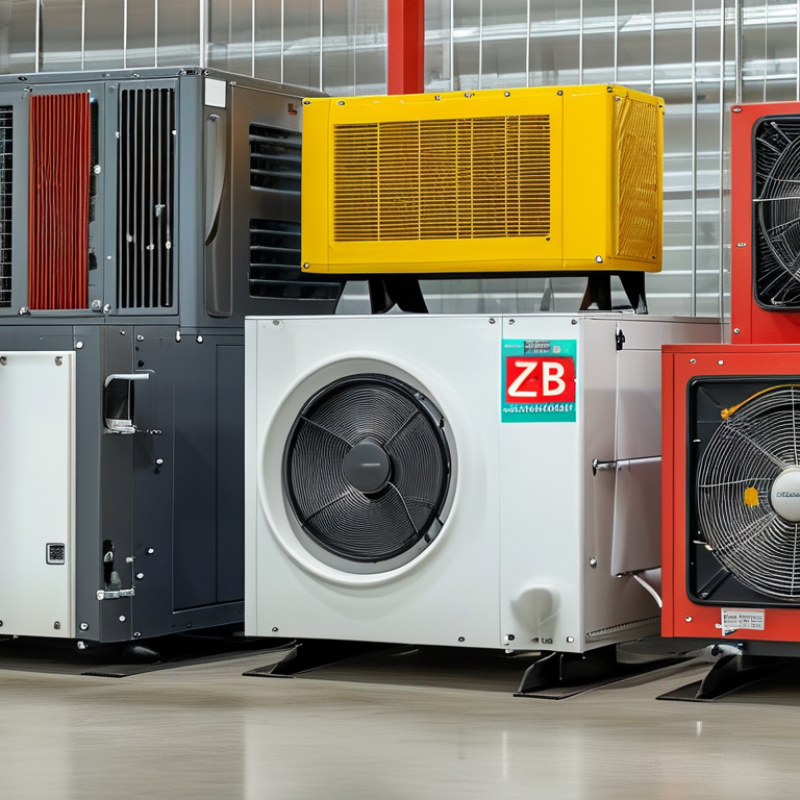
Understanding ZB scroll compressors starts with their working conditions, not their catalogue ranking. These compact units use scroll technology for stable compression, low vibration, and efficient medium-temperature cooling. They suit cold rooms, display cases, food storage, small process systems, and commercial refrigeration plants. The seven strongest choices usually match different priorities: capacity, refrigerant approval, ambient temperature, sound level, energy use, service access, and control compatibility.
A reliable selection begins with the evaporating temperature and design load. Measure product heat, door openings, defrost cycles, and condenser conditions. A compressor sized only from room volume may cycle poorly. It may also consume more power. Check oil return, discharge temperature, phase balance, and start-up current during commissioning. In warm regions, airflow around the condenser deserves extra attention. Dusty coils can erase expected efficiency quickly.
ZB scroll compressors are often valued for smooth operation and reduced mechanical stress. Their applications can include supermarkets, walk-in freezers, beverage cooling, and modular refrigeration equipment. However, performance depends on the complete system. Piping length, expansion control, suction superheat, and insulation all matter. Local refrigerant rules must be verified before purchase. A quieter compressor is not automatically the best compressor. The right option is the one that remains dependable under real load changes, imperfect maintenance, and seasonal temperature swings.
Typical evaporating and condensing temperature references for selecting scroll compressors across common refrigeration applications. Final selection should be checked against the compressor operating envelope, refrigerant, ambient conditions, and system load.
Reference conditions are representative design setpoints: lower evaporating temperatures indicate colder applications, while condensing temperatures reflect typical air-cooled system conditions.
For global buyers, seven ZB scroll compressor models should be compared by operating data, not model numbers alone. The ZB15KQE, ZB21KQE, and ZB26KQE suit smaller refrigerated cases and compact cold rooms. The ZB30KQE and ZB38KQE offer higher displacement for medium commercial systems. The ZB45KQE and ZB48KQE target larger loads, where airflow and electrical capacity become critical. Check cooling capacity at the same evaporating and condensing temperatures. A rating at -10°C cannot be compared fairly with one at -35°C.
Important specifications include refrigerant compatibility, displacement, nominal cooling capacity, motor power, voltage, frequency, oil type, and allowable operating envelope. Low-temperature applications need careful discharge-temperature control. Medium-temperature systems may prioritize efficiency and stable cycling. In practical installations, sound level and starting current also matter, especially in restaurants or urban buildings. Datasheets remain essential. Supplier tables can be incomplete, and I have seen buyers overlook phase requirements. That mistake becomes expensive.
Tips: Request performance tables at your actual conditions. Confirm 50 or 60 Hz operation, voltage tolerance, oil compatibility, and protection devices. Compare seasonal efficiency rather than peak capacity alone. Leave enough condenser clearance for service access. If two models appear similar, choose the one with verified local support and documented test conditions. A larger compressor is not automatically better. Oversizing can increase short cycling, moisture problems, and unstable cabinet temperatures.
For global buyers, the seven strongest ZB choices are ZB15KCE, ZB21KCE, ZB26KCE, ZB30KCE, ZB38KCE, ZB45KCE, and ZB58KCE. This ranking follows capacity tiers and refrigeration duties, not marketing claims. ZB15KCE suits small cold rooms and compact display cases. ZB21KCE and ZB26KCE fit convenience stores and medium-temperature cabinets. ZB30KCE supports larger retail systems with steadier daily loads. ZB38KCE and ZB45KCE are practical for supermarkets, food distribution areas, and parallel compressor racks. ZB58KCE targets higher-capacity installations, including large cold rooms and centralized systems. Actual output changes with refrigerant, evaporating temperature, condensing temperature, and voltage.
The International Energy Agency reported that space-cooling energy demand could more than triple by 2050 without stronger efficiency measures. That makes part-load performance and correct sizing increasingly important. AHRI Standard 540 also supports consistent compressor rating comparisons, but catalog ratings are not field results. A compressor may look efficient on paper and perform poorly with dirty condensers or unstable suction pressure. I have seen selection errors caused by choosing capacity alone. That mistake is expensive.
Tips: Match each model with the design load, not the room’s physical size. Check oil return, starting current, sound level, and refrigerant compatibility. For supermarkets, compare rack staging and seasonal load profiles. For export projects, verify local electrical frequency and certification requirements before ordering. A small safety margin helps, but excessive oversizing can increase cycling and humidity problems.
For a global shortlist of seven ZB series compressors, voltage is not a minor specification. A 380–415 V, 50 Hz motor may not suit a 460 V, 60 Hz installation. Frequency changes motor speed, displacement, starting current, and cooling capacity. Check phase, voltage tolerance, locked-rotor current, and protection settings together. A neat spreadsheet can still mislead.
Refrigerant choice must match the compressor’s approved operating envelope. Refrigerants differ in pressure, mass flow, discharge temperature, and oil compatibility. A model designed for medium-temperature applications may perform poorly in low-temperature service. The European Environment Agency’s 2024 fluorinated-gas data shows continued pressure to reduce high-GWP refrigerant use in Europe. Kigali Amendment assessments also estimate that HFC controls could avoid up to 0.4°C of warming by 2100. Compliance is now part of engineering, not paperwork.
Efficiency deserves measured comparison. The International Energy Agency reports that cooling electricity demand could rise from about 2,000 TWh in 2016 to 6,200 TWh by 2050. Select compressors using seasonal efficiency, not only rated COP. Compare capacity at actual suction and condensing temperatures, then include standby losses and defrost cycles. Field experience suggests oversized compressors often cycle badly. Sometimes, the “strongest” model wastes energy. That assumption needs challenging. Check application data, local grid quality, service skills, and future refrigerant availability before approving any ZB model.
Global buyers should treat ZB-series compressor selection as a system decision, not a catalogue purchase. The IEA’s The Future of Cooling report projects cooling electricity demand could more than triple by 2050. Efficiency matters, but compatibility comes first. Confirm refrigerant type, voltage, frequency, phase, oil charge, cooling capacity, and operating envelope. A 50 Hz motor is not automatically suitable for a 60 Hz installation. Check starting current, ambient temperature, discharge temperature, and sound limits too. One missing detail can stop a complete system.
Certification needs equal attention. Request current test reports and market-specific conformity documents, such as CE, UKCA, UL, or CSA, where applicable. Do not accept a logo without traceable evidence. The UNEP 2023 Cooling Emissions and Policy Synthesis Report connects efficient equipment and refrigerant management with lower climate impact. That is useful guidance, but it cannot replace local technical review. I have seen buyers compare only COP and price. That shortcut often creates higher service costs later.
Tips: Ask for a signed datasheet, serial-number traceability, warranty terms, and spare-parts availability. Confirm whether technical support covers commissioning and fault diagnosis. Request response times in writing. Keep records of refrigerant, oil, and electrical settings. A low price may hide weak support. I still treat any unverified document as incomplete.
: They suit cold rooms, display cases, beverage coolers, food storage, and modular refrigeration systems. They work best with medium-temperature cooling. System conditions still matter.
Calculate product heat, door openings, defrost cycles, and condenser conditions. Room volume alone is not enough. Oversizing may cause short cycling and unstable temperatures.
Compare cooling capacity, displacement, motor power, voltage, frequency, oil type, and operating limits. Use identical evaporating and condensing temperatures. Otherwise, the comparison may be misleading.
Not always. Confirm voltage, frequency, phase, starting current, and voltage tolerance. A system designed for one frequency may perform poorly elsewhere. Check this early.
Confirm approved refrigerants and oil compatibility before purchase. Local requirements may differ between markets. Keep the final records.
High ambient temperatures increase condensing pressure and discharge temperature. Dusty coils also reduce heat rejection. Leave clear airflow around the condenser.
Measure oil return, discharge temperature, phase balance, suction superheat, and starting current. Inspect insulation and piping length too. Small errors can become expensive.
Request current conformity documents, traceable serial information, warranty terms, and spare-parts details. Confirm support for commissioning and fault diagnosis. A low purchase price may hide slow service.
No. Sound level matters in restaurants, shops, and urban buildings. Efficiency, capacity, service access, and load stability matter too. Quiet is not everything.
Do not compare catalogue capacity alone. Request performance data at your actual operating conditions. I would recheck every unverified document.
This guide explains how to evaluate a Zb Series Copeland Compressor for commercial refrigeration, cold storage, food service, and other cooling applications. It introduces the operating principles of scroll compressor technology and compares seven selected models by cooling capacity, displacement, efficiency, and intended temperature range. Readers will learn how model specifications influence system performance, reliability, noise levels, and long-term operating costs.
The article also examines the importance of matching voltage, frequency, refrigerant type, oil requirements, and operating conditions before purchase. A practical global buying checklist covers electrical compatibility, documentation, certification, warranty terms, spare-part availability, shipping considerations, and technical support. By reviewing these factors together, buyers can choose a suitable compressor model with greater confidence, reduce installation risks, and ensure dependable performance across different markets and refrigeration environments.

YuanShengHeTong