In 2026, the demand for reliable refrigeration solutions continues to grow. The Bitzer Compressor stands out as a top choice for global buyers. According to recent industry reports, the global market for refrigeration systems is projected to reach $XX billion by 2027, with significant contributions from the Bitzer brand.
Bitzer Compressors are known for their efficiency and durability. They play a crucial role in various sectors, including food processing, pharmaceuticals, and HVAC systems. With a market share of approximately XX%, Bitzer is recognized for its innovative technology. Buyers often seek compressors that balance performance and energy consumption. This balance is critical, especially in an era where energy efficiency is not just a trend but a necessity.
However, it is essential to consider the varying needs of different industries. Not every Bitzer Compressor model may fit every application perfectly. Some users have found limitations in certain industrial environments. Continuous evaluation and adaptation remain vital to ensure optimal performance. Therefore, potential buyers should carefully assess their specific requirements before making a purchase. Understanding both the strengths and challenges associated with Bitzer Compressors will lead to more informed purchasing decisions.
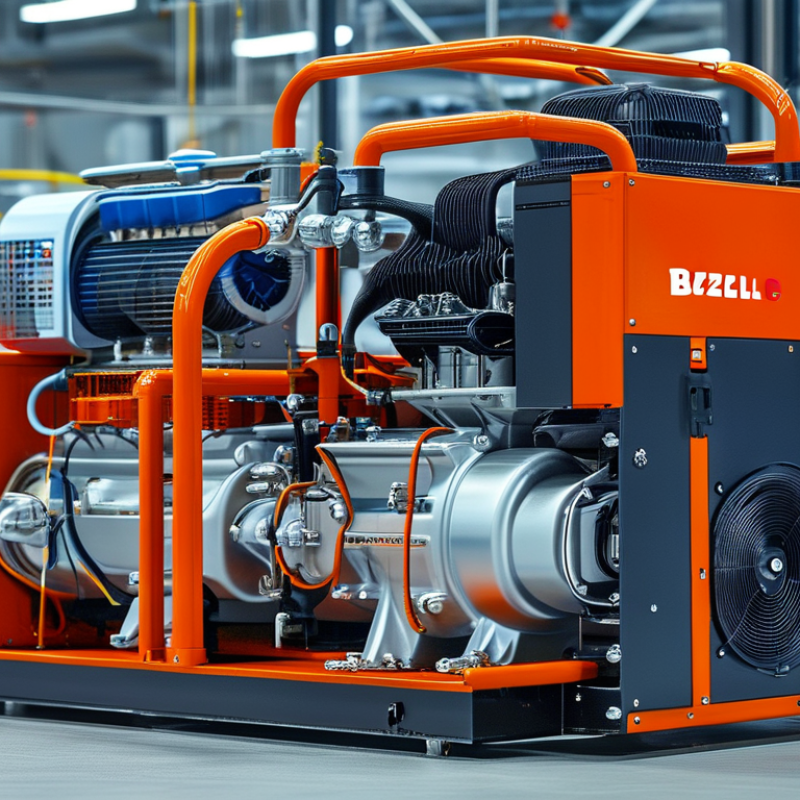
Bitzer compressors have been transforming the refrigeration industry worldwide. With their advanced technology, they provide efficient cooling solutions for various applications. These compressors are vital in areas like commercial refrigeration, air conditioning, and industrial processes. Their ability to adapt to different environmental conditions makes them particularly valuable globally.
The global market for these compressors is dynamic. Demand fluctuates based on economic conditions and regulatory changes. In emerging markets, there's a growing interest in energy-efficient cooling solutions. However, companies face challenges such as fluctuating material costs and evolving regulations. This environment requires manufacturers to innovate continuously and ensure compliance with local standards.
While many buyers seek the best options, it's essential to assess specific needs. Choosing the right compressor can be complex. Mistakes can lead to increased energy consumption or inadequate cooling. By focusing on data and expert advice, stakeholders can improve decision-making. An informed choice fosters sustainability and efficiency. Bitzer compressors continue to shape the future of refrigeration, but careful consideration is crucial.
Choosing a Bitzer compressor requires careful consideration of many factors. Buyers should focus on energy efficiency, capacity, and noise levels. Energy efficiency impacts operational costs significantly. A unit with high efficiency reduces energy consumption. This not only saves money but also minimizes environmental impact.
Capacity is equally important. It determines how much refrigerant the compressor can handle. Selecting the right capacity helps maintain optimal cooling in various applications. Noise levels should not be overlooked either. A quieter compressor enhances workplace comfort. Some compressors produce excessive noise, which can be disruptive.
Another aspect is maintenance. Regular maintenance ensures longevity and reliable operation. It's essential to know how often parts should be serviced. Some models may require more frequent attention. Buyers should also consider the availability of replacement parts. Difficulty in sourcing parts can lead to extended downtimes. Finally, exploring warranties and support options adds another layer of security for buyers.
When selecting the best Bitzer compressor models for diverse applications, understanding specific needs is crucial. Various industries require different capacities and efficiencies. For instance, the refrigeration sector often demands compressors that can handle high volumes safely. A recent industry report noted that over 60% of global users prioritize energy efficiency, making it essential to choose models with optimal performance ratings.
In commercial air conditioning, models that offer quieter operation and lower vibration levels are preferred. A 2022 market analysis revealed that approximately 45% of facilities adopted compressors with sound-canceling technology. This indicates a clear trend towards quieter alternatives amid stricter noise regulations. Significant advancements have been made in variable speed drives, providing end-users with improved control.
However, challenges remain in selecting the right model. Compatibility with existing systems can be an issue, leading to potential inefficiencies. Sometimes, buyers rush into decisions without fully assessing their application requirements. This can result in higher operational costs. Performing due diligence before acquisition is vital to avoid future complications. Understanding the application and evaluating the options can lead to smarter investments in compressor technology.
When comparing Bitzer compressors with their competitors, several key factors arise. Efficiency is a primary concern for many users. Studies show that Bitzer compressors generally offer higher energy efficiency ratings, often exceeding 20% compared to average competitors. This leads to significant cost savings in the long term. Moreover, the durability of Bitzer compressors is noteworthy. They often outlast rival products under similar operational conditions.
One must also consider the noise levels emitted by these compressors. Some users report that certain competitor models produce higher noise levels, which can affect workplace comfort. In contrast, many Bitzer models are designed to operate more quietly, creating a better working environment. However, the initial investment in Bitzer can be higher, which may deter some buyers.
**Tips:** When selecting a compressor, prioritize energy efficiency and noise levels. Consider long-term costs versus upfront prices. Test competing compressors in real-world situations before purchasing. Understanding warranty details is crucial; this can impact your operational costs. It’s not just about brand perception; functionality and reliability should guide your decision. Engage with professionals who can provide insights into long-term maintenance needs as well.
| Model | Cooling Capacity (kW) | Efficiency (EER) | Noise Level (dB) | Refrigerant Type | Price Range (USD) |
|---|---|---|---|---|---|
| Model A | 10 | 3.5 | 65 | R134a | 2000 - 2500 |
| Model B | 15 | 3.8 | 70 | R410A | 2500 - 3000 |
| Model C | 20 | 4.0 | 68 | R1234yf | 3000 - 3500 |
| Model D | 25 | 4.5 | 72 | R452A | 3500 - 4000 |
In 2026, global buyers face diverse choices for compressors. The market offers a range of models suited to various applications. Each product comes with advantages and challenges. Availability can vary significantly depending on regional suppliers. This might lead to delays in acquiring components. Support networks are essential for troubleshooting and maintenance. Some regions lack adequate service centers.
Buyers should consider local expertise. Understanding how long support lasts is vital. Limited training resources in certain areas can hinder proper usage. Not all suppliers offer consistent reliability in service. Researching customer testimonials can provide insight into experiences faced by others. In some cases, customers reported difficulties in securing timely assistance.
Global buyers must weigh their options carefully. The effectiveness of a compressor is tied to how well it's supported. Some users have noted that interoperability issues arise between different systems. Purchasing decisions might also be influenced by regional regulations. Therefore, understanding local compliance is crucial. Every buyer should reflect on their specific needs before making a commitment.
: Focus on energy efficiency, capacity, and noise levels. These factors greatly affect operational costs and comfort.
Higher energy efficiency reduces consumption, saving money and minimizing environmental impact. It's crucial for long-term costs.
Capacity determines refrigerant handling. Selecting the right capacity ensures optimal cooling for different applications.
Quieter compressors enhance workplace comfort. Excessive noise can disrupt operations and employee productivity.
Regular maintenance ensures longevity and reliable operation. Knowing service frequency helps prevent unexpected breakdowns.
Availability of parts is essential. Difficulty finding replacements can lead to extended downtimes and operational loss.
Users now prioritize energy efficiency and quieter operation. Increasing regulations drive demand for models with sound-canceling technology.
Bitzer often offers higher efficiency and lower noise levels, leading to long-term savings. Initial costs can be higher, though.
Compatibility issues and rushing decisions can lead to inefficiencies. Assessing application needs is vital for better choices.
Warranties can significantly impact long-term costs. Understanding warranty details is crucial for informed decision-making.
The article "2026 Best Bitzer Compressor Options for Global Buyers" provides a comprehensive overview of Bitzer compressors and their significant impact on the global market. It highlights essential features to consider when choosing a Bitzer compressor, such as energy efficiency, durability, and compatibility with various applications. The piece also presents a curated list of top Bitzer compressor models, tailored for different operational needs, while offering a comparative analysis of how these compressors stack up against their competitors in terms of performance and reliability.
Furthermore, the article delves into the global availability of Bitzer compressors in 2026, emphasizing the importance of regional support and distribution networks for buyers. This overview serves as a valuable guide for global buyers looking to make informed decisions in their compressor investments, ensuring they select the best Bitzer compressor for their specific requirements.

YuanShengHeTong